Category Archives: Industry information

E-cigarettes:Strict standards: How do we test raw materials, batteries and finished products?

Strict standards: How do we test raw materials

In the rapidly evolving e-cigarette industry, product safety and quality form the cornerstone of consumer trust and regulatory compliance. As a professional e-cigarette manufacturer, we enforce the most stringent testing protocols throughout production—from inspecting incoming raw materials to verifying battery performance and evaluating final finished products. Our team designs every test step to eliminate potential risks, meet international standards (such as CE, FCC, and FDA requirements), and ensure each product reaching consumers is safe, reliable, and consistent. To clarify our quality control framework, below we detail our testing processes for raw materials, batteries, and finished products.

1. Raw Material Testing: The First Line of Quality Defense

Raw materials directly shape the safety and performance of e-cigarettes, so we enforce a “100% incoming inspection” policy—our quality team rejects any batch failing to meet our standards. We focus testing on two core raw material categories: e-liquid and atomizer components, each with targeted verification measures.

1.1 E-liquid Testing

E-liquid—composed of propylene glycol (PG), vegetable glycerin (VG), nicotine, and flavorings—stands as the most critical e-cigarette raw material. To guarantee its safety, our laboratory uses advanced equipment to conduct three key analyses:

  • Component Purity Test: Our technicians use High-Performance Liquid Chromatography (HPLC) and Gas Chromatography-Mass Spectrometry (GC-MS) to detect impurities like heavy metals (lead, mercury, arsenic), residual solvents (acetone, methanol), and harmful additives (formaldehyde, acrolein). We cap heavy metal limits at less than 0.1 ppm, well below international safety thresholds.
  • Nicotine Concentration Verification: We also test nicotine content with ±0.1 mg/mL accuracy to ensure it matches the product label (e.g., 0mg, 3mg, 6mg). This step prevents underdose or overdose risks for consumers.
  • Stability Test: Finally, we store e-liquid samples at 40°C (104°F) and 60% relative humidity for 30 days. We monitor changes in color, viscosity, and component degradation to confirm a 12-month shelf life without quality loss.

1.2 Atomizer Component Testing

Beyond e-liquid testing, we rigorously check atomizer components (coils, cotton, chambers) for material safety and durability—since they directly contact e-liquid and generate vapor. Our testing includes two main aspects:

  • Material Compliance: We require coils to use food-grade stainless steel (316L) or titanium, and test them for nickel release (less than 0.5 μg/cm²/week) to avoid allergic reactions. For cotton, we inspect for pesticide residues and microbial contamination (capping total bacteria at ≤ 100 CFU/g).
  • Heat Resistance Test: We also heat components to 300°C (572°F) for 2 hours. Our team checks for deformation, melting, or toxic fume emission—critical to preventing burns or chemical leaks during consumer use.

E-liquid testing with HPLC equipment

2. Battery Testing: Ensuring Safe Power Supply

Once we confirm raw materials are safe, our quality control process shifts to battery testing—the next critical phase. Battery safety remains non-negotiable for e-cigarettes, as faulty batteries can overheat, leak, or even explode. We source only lithium-ion batteries (Li-ion) meeting UL 1642 and IEC 62133 standards, and our team runs 8 key tests on every batch to eliminate risks:

  • Overcharge Test: First, we charge batteries at 1.5 times the rated current for 24 hours. A qualified battery will not swell, leak, or ignite, and its voltage will stabilize within the safe 3.7V–4.2V range.
  • Overdischarge Test: Next, we discharge batteries to 0V (below the recommended 2.75V cutoff) to verify they can recharge without performance loss or safety hazards.
  • Short Circuit Test: For another key test, we connect positive and negative terminals with a 0.1Ω resistor for 10 seconds. The battery must not catch fire or explode, and its surface temperature must stay below 60°C (140°F).
  • Temperature Shock Test: We also expose batteries to extreme temperatures (-40°C to 85°C) for 2 hours per cycle, repeating 10 times. This simulates harsh environments (e.g., cold winters or hot cars) to confirm stability.
  • Drop Test: We drop batteries from 1.2 meters onto concrete (testing 6 orientations: front, back, left, right, top, bottom). No physical damage or performance drops are allowed.
  • Crush Test: Finally, we apply 13 kN of force to batteries (equivalent to a small car’s weight). A qualified battery will not rupture or release toxic gases.

Beyond these basic tests, we evaluate the battery management system (BMS) in rechargeable e-cigarettes. The BMS must automatically cut power during overcharge, overdischarge, or short circuits—so we verify this function through 1,000 charge-discharge cycles to ensure long-term reliability.
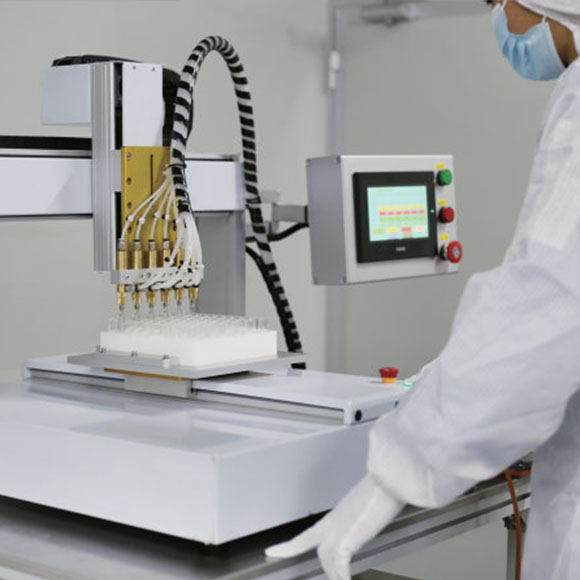
Battery short circuit test setup

3. Finished Product Testing: The Final Quality Check

Once batteries pass all safety checks, we move to the final quality assurance stage: finished product testing. After assembly, our team subjects finished e-cigarettes to a “three-stage testing process” to ensure they meet both safety and user experience standards. We sample 5% of each production batch (minimum 100 units) for destructive and non-destructive testing, with each stage building on the last.

3.1 Functional Testing

The first stage of finished product testing verifies functionality, confirming all device features work as designed. Key checks include:

  • Power and Activation: We test the on/off switch, draw activation (if applicable), and LED indicator accuracy. The device must activate within 0.5 seconds of drawing and maintain stable power output.
  • Vapor Production: We measure vapor volume (mL per puff) and consistency—variations between puffs must stay below 10% to ensure a uniform user experience.

3.2 Safety Testing

After confirming functional stability, we conduct safety testing—simulating real-world use to identify potential hazards. This stage includes:

  • Leakage Test: We submerge devices in 1 meter of water for 30 minutes. No water ingress or e-liquid leakage is allowed—leaks can irritate skin or damage batteries.
  • Heat Dissipation Test: We operate devices continuously for 1 hour. Surface temperatures must not exceed 45°C (113°F) to prevent burns during handling.

3.3 Compliance and Labeling Test

The final stage of finished product testing focuses on regulatory compliance and labeling accuracy. To meet global standards, we verify two key aspects:

  • All labels must display clear, accurate information: nicotine content, health warnings, manufacturing date, and certification marks (CE, FCC). Labels must also resist fading to stay legible throughout the product’s lifecycle.
  • We also test electromagnetic compatibility (EMC) to ensure devices don’t interfere with other electronics (e.g., phones, medical equipment)—a requirement for global market access.

Conclusion

In summary, strict testing isn’t just a regulatory obligation—it’s our commitment to consumer safety and brand integrity. From raw material inspection to battery verification and finished product evaluation, each testing stage builds on the last, creating a comprehensive quality control framework. By enforcing these rigorous protocols, we minimize risks, ensure consistency, and uphold the highest industry standards. Every e-cigarette leaving our factory undergoes hundreds of tests, designed to deliver a safe, reliable, and satisfying experience. As the industry evolves, we’ll keep investing in advanced testing technology and updating protocols to address emerging safety challenges—keeping consumer trust at the center of our work.
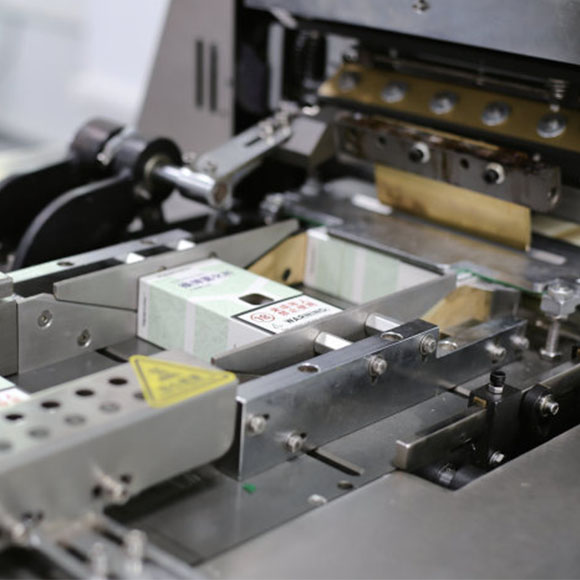

Our Quality System: A Detailed Explanation of How ISO-Certified Factories Implement Each Quality Control Process

In today’s global manufacturing landscape, ISO certification—particularly ISO 9001:2015—serves as a gold standard for quality management. ISO-certified factories do not just “meet” quality benchmarks; they embed structured, repeatable quality control (QC) processes into every stage of production. This article breaks down each core QC process, explaining how factories translate ISO requirements into actionable, day-to-day practices that ensure consistency, compliance, and customer satisfaction.

1. Documented Quality Management System (QMS): The Foundation of ISO Compliance

ISO 9001 mandates a fully documented QMS, and certified factories begin by formalizing three tiers of documents to eliminate ambiguity:

  • Quality Manual: A top-level document outlining the factory’s quality policy, objectives, and organizational structure for QC. It aligns with ISO 9001 clauses (e.g., customer focus, leadership, improvement) and is approved by senior management.
  • Procedure Documents: Step-by-step guides for critical processes (e.g., “Incoming Material Inspection” or “Non-Conforming Product Handling”). These are accessible to all relevant staff and include roles (e.g., QC inspectors, production supervisors) and timelines.
  • Work Instructions (WIs) & Records: Granular details for frontline teams—such as “Calibrating a Torque Wrench” or “Sampling Rates for Plastic Parts”—paired with mandatory record-keeping (e.g., inspection checklists, calibration logs). Records are stored digitally (via ERP systems) for 3–5 years to enable audits.

2. Incoming Material Inspection (IQC): Stopping Defects at the Source

QC inspector verifying raw material dimensions against ISO specifications during incoming inspection

ISO requires factories to verify that raw materials and components meet specifications before production begins. The IQC process follows strict protocols:

  1. Receiving & Labeling: All shipments are labeled with a “Pending Inspection” tag to prevent accidental use. The QC team cross-references the delivery note with purchase orders and material specifications (e.g., material composition, dimensions).
  2. Sampling & Testing: Inspectors use ANSI/ASQ Z1.4 (AQL) standards to select representative samples (e.g., 5% of a 1,000-unit batch for critical components like circuit boards). Tests include visual checks (for scratches), dimensional measurements (via calipers or CMMs), and material validation (e.g., tensile strength for metals).
  3. Dispositioning: Materials pass (tagged “Approved”), are rejected (returned to suppliers with a non-conformance report), or require rework (e.g., cleaning minor surface defects). Suppliers of rejected materials must provide corrective actions to retain their approved status.

3. In-Process Quality Control (IPQC): Monitoring Production in Real Time

IPQC inspector monitoring production line and conducting real-time sample checks per ISO standards

IPQC ensures that production stays within ISO standards by checking processes at key stages, not just the final product. Factories implement:

  • First Article Inspection (FAI): For every new production run or change (e.g., new tooling), the first unit is fully inspected against drawings. If it passes, production proceeds; if not, root causes (e.g., misaligned molds) are fixed immediately.
  • Periodic Patrol Checks: QC inspectors visit production lines every 1–2 hours to sample units. For example, in electronics assembly, they may test solder joints for conductivity or check assembly alignment with fixtures. Data is logged in real time to track process stability (using tools like control charts for SPC).
  • Operator Training & Self-Checks: All workers complete ISO 9001 training on QC expectations. They perform self-checks (e.g., a machinist measuring a part’s diameter) and flag anomalies using color-coded tags (red for defects, yellow for uncertainty).

4. Final Product Inspection (FPI) & Testing: Ensuring Customer-Ready Output

Before products leave the factory, FPI validates that they meet all customer and regulatory requirements:

  • Full vs. Sampling Inspection: Critical products (e.g., medical devices) undergo 100% inspection, while non-critical items (e.g., plastic packaging) use AQL sampling. Tests include functional checks (e.g., a laptop’s battery life), performance testing (e.g., a pump’s flow rate), and compliance checks (e.g., CE marking for EU sales).
  • Packaging & Labeling Verification: Inspectors confirm packaging protects products (e.g., shock absorption for electronics) and labels include required information (e.g., batch numbers, expiry dates for food-grade items)—a key ISO requirement for traceability.
  • Certification of Conformance (CoC): Approved batches receive a CoC, a document stating the product meets ISO and customer specs. This is shared with customers to demonstrate compliance.

5. Continuous Improvement: The ISO Cycle of Excellence

ISO 9001 is not a one-time certification—it requires ongoing improvement. Factories use four key mechanisms:

  • Internal Audits: Quarterly audits by trained internal auditors check if QMS processes are followed (e.g., “Are IQC records complete?”). Findings are documented in audit reports, and corrective actions are tracked to closure.
  • Management Reviews: Senior management meets bi-annually to review QC performance (e.g., defect rates, customer complaints) and update quality objectives (e.g., “Reduce FPI rejects by 10% in 2024”).
  • Customer Feedback: Complaints or suggestions are logged in a CRM system and analyzed for trends (e.g., “30% of complaints are about loose screws”). Root cause analysis (RCA) tools like 5-Why are used to fix issues (e.g., “Why loose screws? Torque wrenches were uncalibrated—solution: monthly calibration”).
  • Corrective & Preventive Actions (CAPA): For every non-conformance (e.g., a batch of defective parts), a CAPA plan is created: “Correct” (rework/reject the batch) and “Prevent” (e.g., add a second torque check in IPQC). CAPA effectiveness is verified after 1–2 months to ensure issues do not recur.

Conclusion

ISO-certified factories’ quality systems are defined by structure, accountability, and continuous improvement. From documenting every process to inspecting materials, monitoring production, and learning from feedback, each QC step is designed to minimize risk, meet standards, and deliver value to customers. This rigor is not just about maintaining certification—it is about building trust in a competitive global market. For factories, ISO compliance is not a destination but a journey of refining quality at every turn.

Published for ISO 9001 Compliance & Manufacturing Best Practices

Vapesky More Than Manufacturing: 5 Value-Added Services We Offer – From Design to Logistics

vapesky: More Than Manufacturing – 5 Value-Added Services /* 基础全局样式,补充内联样式未覆盖的通用规则 */ body { margin: 0; padding: 20px 0; font-family: Arial, sans-serif; background-color: #f8fafc; } figure { margin: 0; padding: 0; } figcaption { font-size: 14px; color: #666; margin-top: 10px; text-align: center; } strong { color: #1a365d; }

In today’s competitive market, manufacturing is no longer just about producing goods. Customers seek partners who deliver end-to-end solutions to streamline operations, cut costs, and boost product value. At vapesky, we go beyond traditional manufacturing by offering five tailored value-added services—from initial design to final logistics—to support every stage of your product journey.

1. Collaborative Design & Engineering Support

vapesky design team working on 3D product modeling
vapesky engineers collaborating on a vaping device prototype

A strong product starts with smart design. The experienced engineering and design team at vapesky works closely with you to refine concepts, optimize for manufacturability (DFM), and select cost-effective materials. Whether you need 3D modeling, prototype testing, or adjustments to meet vaping industry standards (like CE or FCC), we ensure your design is innovative and production-ready.

For example, a startup partnered with vapesky to refine their pod system design. We suggested heat-resistant material swaps that cut costs by 15% while maintaining durability, and adjusted the casing to simplify assembly—helping them launch 3 months early.

2. Customized Production Planning & Small-Batch Manufacturing

One-size-fits-all production fails for niche industries like vaping. At vapesky, we create tailored plans for large-scale runs or small-batch tests (perfect for startups or new product trials). Our flexible lines adapt to demand changes, and just-in-time (JIT) production minimizes inventory costs—with real-time updates so you always know your order status.

A vaping accessory brand used vapesky’s small-batch service to test a new coil holder. We produced 500 units in 4 weeks, letting them gather user feedback fast and tweak designs before mass production.

3. Rigorous Quality Control & Compliance Assurance

Quality is non-negotiable—especially for vaping products. vapesky’s QC process starts with raw material inspections (checking for consistency and safety) and continues through every production step. We use advanced tools (like coordinate measuring machines) to verify dimensions and performance, plus keep detailed records for compliance with global standards.

Last year, a vaping device client needed IEC 62133 compliance. vapesky’s QC team did 100% dimensional checks and provided full traceability reports, helping them pass their audit with zero issues.

4. Post-Production Support & After-Sales Service

vapesky’s commitment doesn’t end at production. We offer full post-production support: product assembly, custom branding (like logo-printed packaging for vaping kits), and regional labeling. Our after-sales team also handles repairs, replacement parts, and technical help—reducing your operational burden.

A vaping retailer used vapesky’s assembly service for their starter kits. We pre-assembled devices and used eco-friendly packaging, cutting their in-store prep time by 70% and lowering damage complaints.

5. Integrated Logistics & Global Distribution Solutions

vapesky warehouse staff managing global shipping
vapesky’s logistics hub preparing vaping products for global delivery

Getting products to market fast matters. vapesky partners with trusted logistics providers to offer warehousing, order fulfillment, and global shipping—including customs clearance for vaping products (a key pain point for international brands). Our real-time tracking lets you monitor shipments from our warehouse to your customers.

A global vaping brand used vapesky’s logistics to ship their new device line to 20 countries. We managed 3 regional hubs, coordinated air/sea freight, and handled customs paperwork—ensuring on-time delivery for peak season.

Why vapesky’s Value-Added Services Matter

By combining manufacturing with these five services, vapesky solves your biggest challenges: long lead times, high costs, and quality risks. We’re not just a supplier—we’re your strategic partner, helping you stay ahead in the vaping industry and beyond.

Ready to streamline your product journey? Contact vapesky today to learn how our services boost efficiency and your bottom line.

From Concept to Market: Decoding the End-to-End Journey of a Successful E-Cigarette

017-mobile-banner

Launching a successful e-cigarette isn’t just about “a good idea”—it’s a tightly linked end-to-end journey connecting user needs, technical R&D, regulatory compliance, and market validation. Every link in this chain decides whether a product can go from a sketch on paper to a bestseller in consumers’ hands. Let’s decode this complex but replicable process step by step.

1. Concept Initiation: Anchor on User Needs, Not Just “Inventions”

The first step of this journey isn’t “designing a product”—it’s “finding a pain point.” Successful e-cigarette brands start with targeted user demand research: they use online surveys, focus groups, and social media listening to identify unmet needs.

For example: Heavy smokers care most about “long battery life”; young users focus on “portable size and trendy appearance”; health-conscious groups pay close attention to “the safety of e-liquid ingredients.”

At the same time, competitor differentiation analysis is critical. By studying the strengths and weaknesses of existing products (e.g., “Brand A’s atomizer leaks easily” or “Brand B has too few flavor options”), the team defines the new product’s core selling point (USP)—this becomes the “compass” for all subsequent work.

2. R&D & Design: Turn Concepts into Usable Prototypes

This stage is the “engine room” of the product. The R&D team must balance three core elements: performance, safety, and user experience.

On the hardware side: They select high-quality batteries (to avoid overheating risks), optimize atomizer structures (to reduce oil leakage), and test e-liquid formulas (to ensure consistent flavor).

On the software side: They develop intelligent temperature control systems (to prevent dry burning) and battery level display functions. The key here is rapid prototype iteration.

After finishing the first prototype, the team conducts internal testing and user trials: If users feedback “suction resistance is too strong,” they adjust the air inlet; if battery life is shorter than expected, they replace it with a higher-capacity cell. This iteration usually takes 2-3 months—until the prototype meets 90% of preset demand standards.

Figure 1: Breakdown of the E-Cigarette R&D Process (From Prototype to Testing)

3. Regulatory Compliance: The “Passport” to Enter the Market

For e-cigarettes, compliance isn’t an option—it’s a prerequisite. Different regions have strict regulatory requirements, and missing any can block market entry:

  • The U.S. FDA requires e-cigarettes to pass PMTA (Premarket Tobacco Product Application) certification;
  • The EU’s TPD (Tobacco Products Directive) limits nicotine content to ≤20mg/mL;
  • China mandates that e-cigarettes be sold through a unified national platform.

The compliance team must start preparing materials during R&D: This includes e-liquid ingredient lists, hardware safety test reports, and production process specifications. A single mistake (e.g., missing a test item) could get the product banned—so this link must be “zero-error.”

4. Mass Production & Market Launch: From Factory to Consumer

After passing compliance tests, the product enters the mass production stage. The core challenge here is supply chain coordination:

Brands need to ensure suppliers of batteries, atomizers, and e-liquids deliver high-quality materials on time. At the same time, factories must control production processes—like circuit board soldering accuracy and e-liquid filling precision—to avoid batch quality issues.

When launching to market, brands need to build a precision channel matrix: combining online channels (e-commerce platforms, official websites) and offline channels (specialty stores, convenience stores). They also need to match this with user education content—such as “How to charge the e-cigarette properly” or “Introduction to flavor options.”

For example, some brands cooperate with KOLs to shoot experience videos—this quickly boosts product exposure among target groups.

E-Cigarette Market Launch Linkage

Figure 2: E-Cigarette Market Launch Linkage (From Channel Building to User Education)

Conclusion: The Secret of a “Successful End-to-End Journey”

Looking back at the entire journey from concept to market, a successful e-cigarette doesn’t depend on a single “bright spot”—it relies on the seamless connection of every link:

User needs guide R&D; R&D supports compliance; compliance guarantees production; production connects to market feedback. Only by treating each stage as a “key link” (not a “formality”) can the product stand out in the competitive e-cigarette market.

For brands wanting to replicate this success, the most important lesson is: Don’t rush to “launch products”—first “sort out the process.” The end-to-end journey isn’t a “one-way road”—it’s a “loop” that continuously optimizes based on market feedback. This is the core logic of long-term success.

Industry White Paper: Forecast and Forward-looking Insights into the Development of Next-Generation E-Cigarette Technology

Next-Generation E-cigarettes Development Insights

Industry White Paper | Published: May 2024 | For: Stakeholders, Regulators, Researchers

Abstract

Global demand for reduced-harm nicotine products is on the rise. This trend is pushing next-generation e-cigarettes toward transformative innovation.

Three key factors drive this shift: technological advances, evolving regulatory frameworks, and changing consumer expectations for safety and sustainability.

This paper analyzes core trends (precision harm reduction, smart devices, circular design) and key challenges (regulatory gaps, consumer trust), while offering actionable insights for industry players.

By 2027, next-gen e-cigarettes are expected to hold over 45% of the global e-cigarette market—with safety, personalization, and sustainability as defining competitive advantages.

1. Core Trends Shaping Next-Generation E-cigarettes

1.1 Precision Harm Reduction: Beyond Basic Heating

Traditional e-cigarettes rely on simple coil heating. This design often generates harmful byproducts—such as formaldehyde—when temperatures run too high.

Next-gen devices will solve this issue with two key technologies: adaptive temperature control (ATC) and heat-not-burn (HNB) 2.0. Both use ceramic or metal-alloy heaters to target nicotine release without exceeding 350°C.

According to studies by the EU’s Scientific Committee on Health, Environmental and Emerging Risks (SCHEER), this temperature control cuts toxicant formation by up to 60%.

E-liquid formulation will also advance. Synthetic additives will be replaced with plant-based carriers—like sustainable vegetable glycerin—and nicotine salt variants will deliver smoother hits at lower concentrations, reducing dependency risks.

HNB 2.0 E-cigarette with Temperature Control

Figure 1: HNB 2.0 e-cigarette with real-time temperature monitoring and toxicant reduction metrics.

1.2 Smart Devices: Personalization & Accountability

Consumers are increasingly seeking transparency and control over their nicotine use. This demand is driving the integration of IoT (Internet of Things) capabilities into next-gen e-cigarettes.

Key smart features will include:

  • Mobile app connectivity to track nicotine intake, usage frequency, and battery life;
  • Biometric sensors (e.g., mouthpiece pressure detectors) linked to government IDs to prevent underage use;
  • AI-powered alerts to notify users of excessive usage or potential device malfunctions.

Market research firm Grand View Research projects that smart e-cigarettes will grow at a compound annual growth rate (CAGR) of 28.3% between 2024 and 2030. This growth is fueled by regulatory pressure to curb youth access.

1.3 Circular Design: Reducing Environmental Footprint

The current e-cigarette industry faces a major environmental challenge: it generates over 1.2 billion disposable devices annually, most of which end up in landfills.

Next-gen products will prioritize circularity to address this issue, through three key strategies:

  • Modular designs that let users replace only faulty components (e.g., batteries, heating elements) instead of the entire device;
  • Recyclable or biodegradable materials for casings and e-liquid pods;
  • Take-back programs for used devices, with manufacturers offering incentives (e.g., discounts) to encourage recycling.

Modular Recyclable E-cigarette

Figure 2: Modular e-cigarette design showcasing recyclable components and a biodegradable outer casing.

2. Key Challenges & Strategic Opportunities

2.1 Regulatory Harmonization: A Global Priority

Regulatory fragmentation remains a major barrier for the e-cigarette industry. Rules vary widely across global markets, creating inconsistency for manufacturers.

For example, the EU’s Tobacco Products Directive (TPD) mandates strict toxicant testing for e-cigarettes. In contrast, some Asian markets—such as Indonesia—have yet to implement comprehensive regulatory frameworks.

Opportunity: Industry players can proactively align with global best practices (e.g., adhering to the U.S. FDA’s Premarket Tobacco Product Application (PMTA) standards) and engage with regulators to shape evidence-based policies. This collaboration will create a consistent framework that balances innovation and public health.

2.2 Building Consumer Trust Through Transparency

Misinformation about e-cigarette safety has significantly eroded consumer trust in recent years. This lack of trust poses a challenge for brands launching next-gen products.

Brands can differentiate themselves and rebuild trust by prioritizing transparency. Key actions include:

  • Publishing third-party lab reports on toxicant levels to validate safety claims;
  • Using blockchain technology to trace ingredient origins, ensuring authenticity and quality;
  • Launching educational campaigns to clarify the relative risks of e-cigarettes vs. traditional combustible tobacco.

3. Conclusion

Next-generation e-cigarettes will redefine the nicotine product landscape by centering on three core pillars: safety, personalization, and sustainability.

For industry stakeholders, success will depend on three key actions: investing in precision harm-reduction technologies, embracing smart device innovation, and adopting circular design principles.

Equally important is collaboration with regulators to build a trusted, compliant ecosystem. This partnership will not only help brands capture significant market share but also contribute to public health goals by offering viable alternatives to combustible tobacco.

As the industry evolves, flexibility and a focus on consumer well-being will remain the foundation of long-term growth and credibility.

Costs soaring and crunching your profits? Our Vaping ODM slashes costs for you—all via innovative designs!

In today’s chaotic market, e-cig brands aren’t just facing cost hikes. They’re watching profit margins evaporate like vapor—a problem made worse by cascading supply chain issues.

Raw material prices have spiraled: lithium-ion batteries jumped 25% year-over-year in 2023, driven by lithium and cobalt shortages. Food-grade nicotine solutions and heat-resistant plastics followed suit, with some suppliers raising prices by 18% due to energy costs. Worse still, supply chain snags have extended key component lead times from 4 weeks to 6-8 weeks, forcing brands to hold more inventory and tie up cash.

To add to the pressure, regulatory costs are tightening. EU TPD 3 now requires more rigorous toxicology testing (costing $50,000-$80,000 per product), while US PMTA applications demand thousands of pages of documentation. Brands also need to keep innovating—consumers now expect features like fast charging and leak-proof pods. No wonder mid-sized and emerging brands see margins shrink to 5-8%, down from 15% just two years ago.

For these businesses, the question isn’t just “how to survive.” It’s “how to cut costs without gutting quality.” Thankfully, electronic cigarette ODM services offer a solution—the unsung heroes turning cost headaches into wins, all through design-driven efficiency.

🔧 1. Modular Design: Standardize the Core, Customize the Fun (and Upgrade Later)

ODM’s biggest trick to cut costs? Modular design. In short, brands don’t have to rebuild products from scratch for every new flavor, market, or feature upgrade.

To break this down simply: ODMs create gear with swap-and-go modules. Core parts—batteries, atomizers, circuit boards—stay standardized (slashing mold costs by 30-45%). The best part? This design supports future upgrades: if a brand wants to add Bluetooth (for usage tracking) later, it can swap in a new circuit board module without changing the battery or casing.

Take European premium pod brand VapeLab, for example. It teamed up with an ODM to launch a modular lineup in 2023. One battery module powers three pod flavors (tobacco, berry, mint) and two nicotine strengths (3mg, 6mg). The result? No more wasted money on five separate battery molds, a 38% drop in upfront design costs, and products hitting shelves 25% faster. Six months later, VapeLab added a fast-charging battery module—no retooling needed.

🌿 2. Material Magic: Save Cash, Boost Durability, and Cut Waste

ODM teams don’t just pick materials at random. Instead, they hunt for alternatives that balance three key factors: cost, safety, and long-term durability—because fewer returns mean more savings.

A great example is replacing traditional aluminum alloy casings with high-strength, food-grade PC (polycarbonate) composites. This switch meets EU REACH and US FDA standards (critical for mouth-contact parts) and chops material costs by 20-28%. Even better, PC composites resist high-temperature aging—so pods last 30% longer, Reduce the after-sales return rate from 7% to 3% for brands like Southeast Asia’s DispoVape.

Beyond just material swapping, ODMs optimize usage with precision engineering. They use CAD software to map material layouts, reducing cutting waste from 12% to 5%. For DispoVape, this meant a 19% drop in raw material waste—and $120,000 back in their pocket for a 500,000-unit run. ODMs also use “lightweighting” (thinner casings with reinforced edges) to cut material use without sacrificing strength.

🤖 3. Smart Production: Design for Automation, Slash Errors

ODM innovation doesn’t stop at product design. It also extends to manufacturing—specifically, designing products to work seamlessly with automated lines, which cut labor costs and reduce human error.

How does this work? ODMs simplify component connections (e.g., snap-on pods instead of glued parts) so robotic pick-and-place systems can assemble products in seconds. They also add built-in alignment markers to ensure parts fit perfectly—no more misaligned buttons or leaky pods.

Here’s how this plays out for US-based brand CloudVape: An ODM redesigned its best-selling disposable e-cig’s internal structure, cutting manual assembly steps from 14 to 6. The automated line now produces 1,200 units per hour—up from 500 units with human workers.

For CloudVape, the impact was huge: Labor costs dropped 42%, production capacity rose 55%, and unit costs fell by $0.35. Most importantly, the automated line’s built-in quality checks (e.g., leak testing, battery voltage checks) Reduced the defect rate from 2.5% to 0.8%—saving $80,000 a year in reworks.

📜 4. Compliance-First Design: Avoid Rework, Speed Up Certifications

Regulatory missteps are silent cost killers. Brands can face $100,000+ in rework fees—or even get banned from markets—if products fail regional standards. The problem is, compliance rules vary wildly: EU TPD 3 requires child-resistant caps, while Canada’s Vaping Products Act mandates unique serial numbers for traceability.

To avoid this nightmare, ODMs weave region-specific compliance into the design phase. For EU-bound products, they pre-install child-resistant pod caps and reserve 20% of the casing space for health warnings. For US PMTA applications, they add extra ports for lab testing (e.g., for nicotine concentration sampling) and design parts that are easy to disassemble for toxicology checks.

North American brand NovaVape learned this the hard way: Its in-house design failed PMTA testing in 2022 because the battery compartment was too small for lab equipment. Partnering with an ODM, it redesigned the compartment to meet testing requirements. The result? No costly retooling, a 2-month faster certification process, and $230,000 in saved rework costs.

All in all, for e-cig brands drowning in cost pressures, ODMs aren’t just manufacturers—they’re strategic partners. A 2024 industry report from VapeTech Insights found that brands using ODM services have average profit margins of 17%, compared to 5-8% for those relying on in-house design.

Whether it’s modular design that supports upgrades, material choices that cut waste and returns, automated production that slashes errors, or compliance design that avoids reworks—ODMs help brands cut costs at the source. In short, this design-driven approach is the secret sauce to staying profitable and agile in a market where every penny counts.

Vape OEM vs. ODM: The Ultimate Guide to Choosing the Best Partnership Model for Your Brand

eks-fanghe-poste

In the competitive global vape industry, selecting the right manufacturing partnership—OEM (Original Equipment Manufacturing) or ODM (Original Design Manufacturing)—can make or break your brand’s success. Both models offer unique benefits, but their suitability depends on your brand’s goals, resources, and market strategy. This guide breaks down the key differences to help you make an informed decision.

What Is Vape OEM?

OEM involves partnering with a manufacturer to produce vape devices based on your brand’s existing designs, specifications, and intellectual property (IP). The manufacturer’s role is strictly production: they source materials, assemble products, and adhere to your quality standards, but do not contribute to product design.

Key Advantages of OEM:

  • Full control over product design, ensuring alignment with your brand identity.
  • Exclusive ownership of IP, preventing competitors from using your unique features.
  • Flexibility to tweak designs based on customer feedback without relying on the manufacturer.

Best for: Established brands with in-house design teams, existing IP, or specific product visions (e.g., premium vape pens with custom ergonomics).

Vape OEM Workflow: Brand Provides Designs → Manufacturer Produces → Brand Markets Final Product
Figure 1: The Vape OEM Workflow, Highlighting Brand Control Over Design

What Is Vape ODM?

ODM shifts design responsibility to the manufacturer: they create ready-to-market vape devices (including hardware, software, and compliance) that your brand rebrands and sells. You may request minor tweaks (e.g., color, logo), but the core design remains the manufacturer’s.

Key Advantages of ODM:

  • Faster time-to-market: Skip the design phase and launch products in weeks (vs. months for OEM).
  • Lower upfront costs: No need to invest in design teams, prototyping, or IP development.
  • Built-in compliance: Manufacturers handle regulatory requirements (e.g., FDA, TPD) for global markets.

Best for: Startups, small brands, or those entering new markets quickly (e.g., disposable vapes for emerging regions).

Side-by-Side Comparison of Vape OEM and ODM: Control, Cost, Time, Compliance
Figure 2: Core Differences Between Vape OEM and ODM Models

OEM vs. ODM: Key Comparison Table

Factor OEM ODM
Design Control Full (brand-owned) Limited (manufacturer-owned)
Time-to-Market 3–6 months (prototyping + production) 4–8 weeks (ready-to-brand)
Upfront Costs Higher (design, IP, prototyping) Lower (no design investment)
Compliance Responsibility Brand (with manufacturer support) Manufacturer (pre-certified)
IP Ownership Brand Manufacturer

How to Choose the Right Model

1. Evaluate your resources: If you have a design team and budget for IP, OEM is ideal. If not, ODM reduces risk.
2. Consider market speed: Entering a fast-changing market (e.g., disposable vapes) calls for ODM. For a unique, long-term product, choose OEM.
3. Prioritize compliance: For markets with strict regulations (e.g., EU TPD), ODM’s pre-certified designs save time.
4. Think long-term: OEM builds brand uniqueness; ODM is better for testing markets before scaling.

Ultimately, there’s no “one-size-fits-all” solution. Many brands use a hybrid approach: ODM for quick market tests and OEM for core, high-margin products.

E-Cigarette Manufacturers’ Must-Read: How to Navigate the Ever-Changing Global Vaping Regulations

EKS D16

The global vaping industry faces an increasingly complex regulatory landscape. For manufacturers, staying compliant isn’t just advisable—it’s essential for survival and growth in this dynamic market.

Understanding the Global Regulatory Patchwork

From the FDA’s PMTA process in the United States to the TPD in Europe and various national approaches across Asia-Pacific markets, manufacturers must navigate a maze of requirements. These regulations cover product design, manufacturing standards, marketing restrictions, nicotine concentration limits, and distribution channels.

Key Compliance Strategies for Manufacturers

1. Invest in Regulatory Expertise

Dedicate resources to monitoring regulatory developments in all target markets. Consider establishing an internal compliance team or partnering with legal experts specializing in vaping regulations.

2. Design with Compliance in Mind

Develop products that can be adapted to various regulatory frameworks. This includes designing devices with adjustable nicotine delivery, child-resistant features, and leak-proof technologies that meet multiple jurisdictions’ requirements.

3. Implement Rigorous Testing Protocols

Establish comprehensive product testing procedures that exceed minimum regulatory requirements. Document all safety and quality control measures to streamline approval processes across markets.

4. Transparent Marketing Practices

Avoid health claims and youth-oriented marketing. Clearly disclose ingredients, nicotine content, and appropriate usage instructions on packaging and marketing materials.

Regional Regulatory Highlights

United States: PMTA approval required for market entry; flavor restrictions in some states; upcoming potential federal nicotine reduction mandates.

European Union: TPD compliance required; 2mL tank capacity limit; 20mg/mL nicotine concentration ceiling; notification process before marketing.

United Kingdom: Post-Brexit regulatory independence; currently considering potential regulatory divergence from EU TPD.

Asia-Pacific: Extremely varied approaches from complete bans (Thailand, Singapore) to regulated markets (New Zealand, South Korea).

Future-Proofing Your Business

The regulatory environment will continue evolving. Manufacturers should:

  • Develop contingency plans for potential flavor bans or nicotine limits
  • Diversify product portfolios to include reduced-risk alternatives
  • Engage proactively with regulators and participate in public comment periods
  • Invest in research to support product safety profiles
  • Implement track-and-trace technologies to combat illicit trade

Conclusion

While navigating global vaping regulations presents significant challenges, manufacturers who prioritize compliance, transparency, and adaptability will be best positioned for long-term success. View regulatory compliance not as a barrier but as an opportunity to demonstrate commitment to product safety and responsible marketing practices.

Disclaimer: This article provides general information only and does not constitute legal advice. Manufacturers should consult with legal experts regarding specific regulatory requirements in their target markets.

How to Use E-Cigarettes Correctly

HF006-POSTER

Proper usage of e-cigarettes ensures optimal experience, device longevity, and safety. This comprehensive guide covers essential techniques and best practices for both beginners and experienced users.

Device Preparation and Setup

🔋 Charging Procedures

Initial Charge: Fully charge your device before first use, even if it indicates partial charge

Charging Time: Typically 1-4 hours depending on battery capacity

Safety: Use only manufacturer-provided charging cables and avoid overnight charging

Indicators: Most devices show charging status with LED lights (red while charging, green when complete)

🧴 E-Liquid Filling

Coil Priming: Before first use, apply few drops of e-liquid directly to coil cotton

Fill Level: Never exceed maximum fill line to prevent leakage

Avoid Contact: Keep e-liquid from entering central airflow tube

Cleanliness: Wipe any spills immediately to prevent device damage

Proper Inhalation Techniques

👄 Mouth-to-Lung (MTL) Technique

Ideal for: Beginners and high-nicotine e-liquids

Process: Draw vapor into mouth first (3-4 seconds), pause briefly, then inhale into lungs

Sensation: Similar to traditional cigarette smoking

Device Setting: Use higher resistance coils and lower power settings

👃 Direct-to-Lung (DTL) Technique

Ideal for: Experienced users and low-nicotine e-liquids

Process: Inhale vapor directly into lungs (longer, smoother draws)

Sensation: Similar to breathing air or using asthma inhaler

Device Setting: Use lower resistance coils and higher power settings

Device Maintenance and Care

🔄 Regular Cleaning

Clean tank with warm water monthly

Dry thoroughly before reassembly

Use cotton swabs for difficult areas

⚡ Coil Replacement

Change every 1-3 weeks depending on usage

Signs for replacement: burnt taste, reduced vapor

Prime new coils properly

🔧 Battery Maintenance

Avoid complete discharges

Store in cool, dry place

Check for damage regularly

Usage Best Practices

✅ Do’s and Don’ts

✓ Recommended Practices

  • Start with shorter puffs and gradually increase
  • Keep device upright when not in use
  • Store e-liquids in cool, dark places
  • Stay hydrated while vaping
  • Take regular breaks between sessions

✗ Practices to Avoid

  • Chain vaping (rapid, consecutive puffs)
  • Using damaged batteries or devices
  • Mixing different e-liquid brands arbitrarily
  • Exceeding recommended wattage/voltage
  • Leaving devices in extreme temperatures

⚠️ Important Safety Notes

Keep away from children and pets – Nicotine poisoning can be fatal

Recognize nicotine overdose symptoms – Dizziness, nausea, increased heart rate

Seek medical attention immediately if accidental ingestion occurs

Final Recommendations

Start with lower nicotine strengths and adjust based on your needs. Remember that proper usage significantly enhances your vaping experience while maintaining device longevity and safety.

Always purchase from reputable manufacturers and consult user manuals for device-specific instructions. When in doubt, seek advice from experienced vapers or professional vape shop staff.

How to Choose Between Disposable and Reusable E-Cigarettes

As vaping continues to grow in popularity, consumers face an important choice: disposable or reusable e-cigarettes? This comprehensive guide examines the key factors to consider when making this decision.

The evolution of electronic cigarettes has created two distinct product categories: disposable devices designed for convenience and reusable systems offering customization. Understanding the differences between these options is essential for making an informed choice that aligns with your preferences, lifestyle, and values.

Understanding Disposable E-Cigarettes

Advantages of Disposable Devices

  • Convenience: No charging, refilling, or maintenance required
  • Portability: Lightweight and compact design
  • Ease of use: Beginner-friendly with no learning curve
  • Availability: Widely accessible in convenience stores and gas stations
  • No upfront investment: Lower initial cost compared to reusable systems

Limitations of Disposable Devices

  • Higher long-term cost: More expensive over time compared to refillable systems
  • Environmental impact: Greater waste generation from discarded devices
  • Limited customization: Fixed flavor, nicotine strength, and performance
  • Battery limitations: Cannot be recharged, leading to potential waste of unused e-liquid
  • Less control: Limited ability to adjust vaping experience to personal preferences

Understanding Reusable E-Cigarettes

Advantages of Reusable Systems

  • Cost-effective: Lower long-term expense despite higher initial investment
  • Customizable experience: Adjustable power settings, airflow, and coil types
  • Flavor variety: Ability to switch between countless e-liquid options
  • Environmental benefits: Reduced waste through recharging and refilling
  • Performance control: Fine-tune vapor production and throat hit to preference

Limitations of Reusable Systems

  • Higher initial cost: Significant upfront investment for device and accessories
  • Learning curve: Requires knowledge of maintenance, coil replacement, and settings
  • Less portable: Typically larger and require carrying additional supplies
  • Maintenance requirements: Regular cleaning, coil changes, and battery charging
  • Less discreet: Larger devices produce more vapor, drawing more attention

Key Decision Factors

Consider Your Lifestyle

Frequent travelers and busy professionals might prefer disposables for their convenience, while home users may appreciate the customization of reusable systems.

Evaluate Usage Patterns

Light occasional vapers may find disposables more practical, while heavy users will likely benefit from the cost savings of reusable devices.

Budget Considerations

Calculate both short-term and long-term costs. While disposables cost less initially, reusable devices become more economical over time.

Environmental Impact

If sustainability is important to you, reusable systems generate significantly less waste than disposable alternatives.

Making Your Decision

For beginners or those prioritizing convenience: Start with disposable e-cigarettes to experience vaping without commitment or complexity.

For regular users or those seeking customization: Choose reusable e-cigarettes for greater control, variety, and long-term savings.

Many vapers ultimately maintain both options, using disposables for convenience on-the-go and reusable systems for primary daily use.

Final Recommendations

1. Try both: Experiment with a disposable device before investing in a reusable system to ensure you enjoy vaping.

2. Research thoroughly: Read reviews and compare specifications before purchasing reusable devices.

3. Consider your goals: Those using vaping to quit smoking may have different needs than recreational users.

4. Prioritize quality: Whether choosing disposable or reusable, select products from reputable manufacturers that prioritize safety and quality control.