Tag Archives: vaping guide

E-cigarettes:Strict standards: How do we test raw materials, batteries and finished products?

Strict standards: How do we test raw materials

In the rapidly evolving e-cigarette industry, product safety and quality form the cornerstone of consumer trust and regulatory compliance. As a professional e-cigarette manufacturer, we enforce the most stringent testing protocols throughout production—from inspecting incoming raw materials to verifying battery performance and evaluating final finished products. Our team designs every test step to eliminate potential risks, meet international standards (such as CE, FCC, and FDA requirements), and ensure each product reaching consumers is safe, reliable, and consistent. To clarify our quality control framework, below we detail our testing processes for raw materials, batteries, and finished products.

1. Raw Material Testing: The First Line of Quality Defense

Raw materials directly shape the safety and performance of e-cigarettes, so we enforce a “100% incoming inspection” policy—our quality team rejects any batch failing to meet our standards. We focus testing on two core raw material categories: e-liquid and atomizer components, each with targeted verification measures.

1.1 E-liquid Testing

E-liquid—composed of propylene glycol (PG), vegetable glycerin (VG), nicotine, and flavorings—stands as the most critical e-cigarette raw material. To guarantee its safety, our laboratory uses advanced equipment to conduct three key analyses:

  • Component Purity Test: Our technicians use High-Performance Liquid Chromatography (HPLC) and Gas Chromatography-Mass Spectrometry (GC-MS) to detect impurities like heavy metals (lead, mercury, arsenic), residual solvents (acetone, methanol), and harmful additives (formaldehyde, acrolein). We cap heavy metal limits at less than 0.1 ppm, well below international safety thresholds.
  • Nicotine Concentration Verification: We also test nicotine content with ±0.1 mg/mL accuracy to ensure it matches the product label (e.g., 0mg, 3mg, 6mg). This step prevents underdose or overdose risks for consumers.
  • Stability Test: Finally, we store e-liquid samples at 40°C (104°F) and 60% relative humidity for 30 days. We monitor changes in color, viscosity, and component degradation to confirm a 12-month shelf life without quality loss.

1.2 Atomizer Component Testing

Beyond e-liquid testing, we rigorously check atomizer components (coils, cotton, chambers) for material safety and durability—since they directly contact e-liquid and generate vapor. Our testing includes two main aspects:

  • Material Compliance: We require coils to use food-grade stainless steel (316L) or titanium, and test them for nickel release (less than 0.5 μg/cm²/week) to avoid allergic reactions. For cotton, we inspect for pesticide residues and microbial contamination (capping total bacteria at ≤ 100 CFU/g).
  • Heat Resistance Test: We also heat components to 300°C (572°F) for 2 hours. Our team checks for deformation, melting, or toxic fume emission—critical to preventing burns or chemical leaks during consumer use.
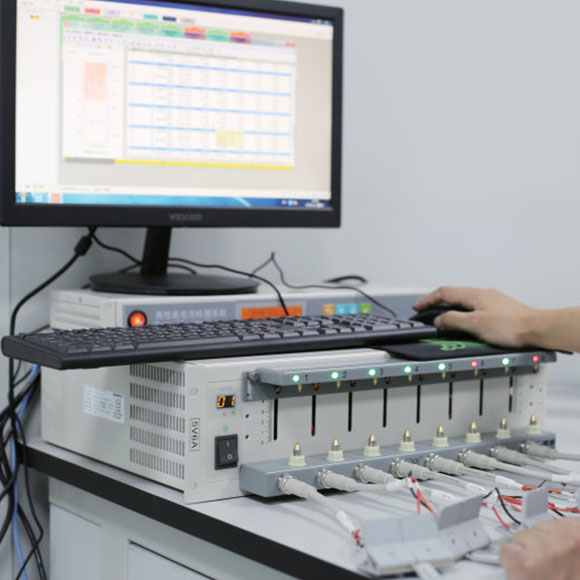
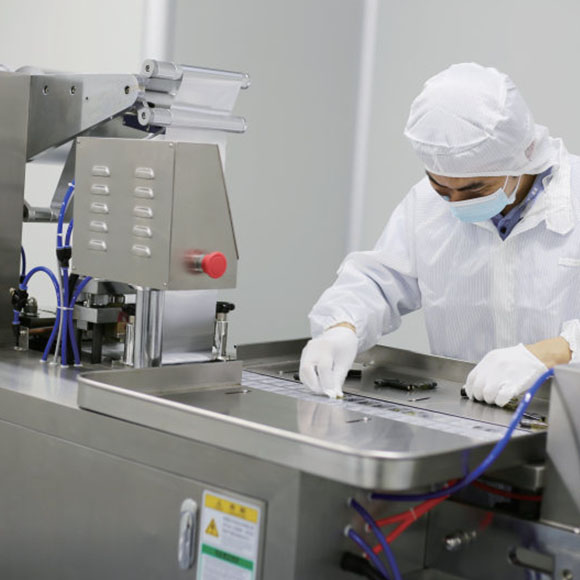
E-liquid testing with HPLC equipment

2. Battery Testing: Ensuring Safe Power Supply

Once we confirm raw materials are safe, our quality control process shifts to battery testing—the next critical phase. Battery safety remains non-negotiable for e-cigarettes, as faulty batteries can overheat, leak, or even explode. We source only lithium-ion batteries (Li-ion) meeting UL 1642 and IEC 62133 standards, and our team runs 8 key tests on every batch to eliminate risks:

  • Overcharge Test: First, we charge batteries at 1.5 times the rated current for 24 hours. A qualified battery will not swell, leak, or ignite, and its voltage will stabilize within the safe 3.7V–4.2V range.
  • Overdischarge Test: Next, we discharge batteries to 0V (below the recommended 2.75V cutoff) to verify they can recharge without performance loss or safety hazards.
  • Short Circuit Test: For another key test, we connect positive and negative terminals with a 0.1Ω resistor for 10 seconds. The battery must not catch fire or explode, and its surface temperature must stay below 60°C (140°F).
  • Temperature Shock Test: We also expose batteries to extreme temperatures (-40°C to 85°C) for 2 hours per cycle, repeating 10 times. This simulates harsh environments (e.g., cold winters or hot cars) to confirm stability.
  • Drop Test: We drop batteries from 1.2 meters onto concrete (testing 6 orientations: front, back, left, right, top, bottom). No physical damage or performance drops are allowed.
  • Crush Test: Finally, we apply 13 kN of force to batteries (equivalent to a small car’s weight). A qualified battery will not rupture or release toxic gases.

Beyond these basic tests, we evaluate the battery management system (BMS) in rechargeable e-cigarettes. The BMS must automatically cut power during overcharge, overdischarge, or short circuits—so we verify this function through 1,000 charge-discharge cycles to ensure long-term reliability.
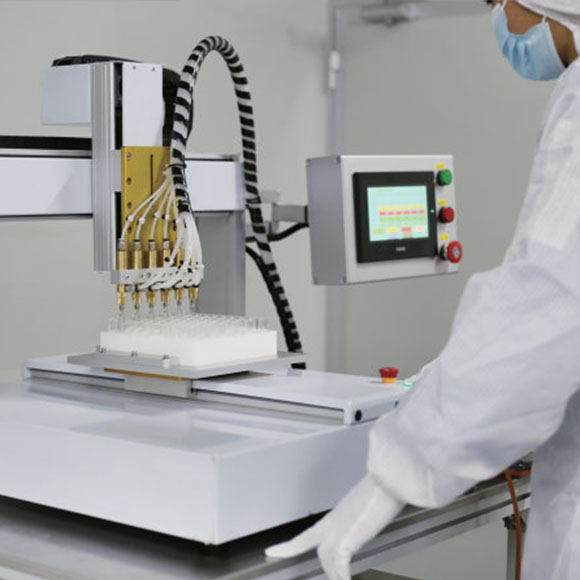
Battery short circuit test setup

3. Finished Product Testing: The Final Quality Check

Once batteries pass all safety checks, we move to the final quality assurance stage: finished product testing. After assembly, our team subjects finished e-cigarettes to a “three-stage testing process” to ensure they meet both safety and user experience standards. We sample 5% of each production batch (minimum 100 units) for destructive and non-destructive testing, with each stage building on the last.

3.1 Functional Testing

The first stage of finished product testing verifies functionality, confirming all device features work as designed. Key checks include:

  • Power and Activation: We test the on/off switch, draw activation (if applicable), and LED indicator accuracy. The device must activate within 0.5 seconds of drawing and maintain stable power output.
  • Vapor Production: We measure vapor volume (mL per puff) and consistency—variations between puffs must stay below 10% to ensure a uniform user experience.

3.2 Safety Testing

After confirming functional stability, we conduct safety testing—simulating real-world use to identify potential hazards. This stage includes:

  • Leakage Test: We submerge devices in 1 meter of water for 30 minutes. No water ingress or e-liquid leakage is allowed—leaks can irritate skin or damage batteries.
  • Heat Dissipation Test: We operate devices continuously for 1 hour. Surface temperatures must not exceed 45°C (113°F) to prevent burns during handling.

3.3 Compliance and Labeling Test

The final stage of finished product testing focuses on regulatory compliance and labeling accuracy. To meet global standards, we verify two key aspects:

  • All labels must display clear, accurate information: nicotine content, health warnings, manufacturing date, and certification marks (CE, FCC). Labels must also resist fading to stay legible throughout the product’s lifecycle.
  • We also test electromagnetic compatibility (EMC) to ensure devices don’t interfere with other electronics (e.g., phones, medical equipment)—a requirement for global market access.

Conclusion

In summary, strict testing isn’t just a regulatory obligation—it’s our commitment to consumer safety and brand integrity. From raw material inspection to battery verification and finished product evaluation, each testing stage builds on the last, creating a comprehensive quality control framework. By enforcing these rigorous protocols, we minimize risks, ensure consistency, and uphold the highest industry standards. Every e-cigarette leaving our factory undergoes hundreds of tests, designed to deliver a safe, reliable, and satisfying experience. As the industry evolves, we’ll keep investing in advanced testing technology and updating protocols to address emerging safety challenges—keeping consumer trust at the center of our work.

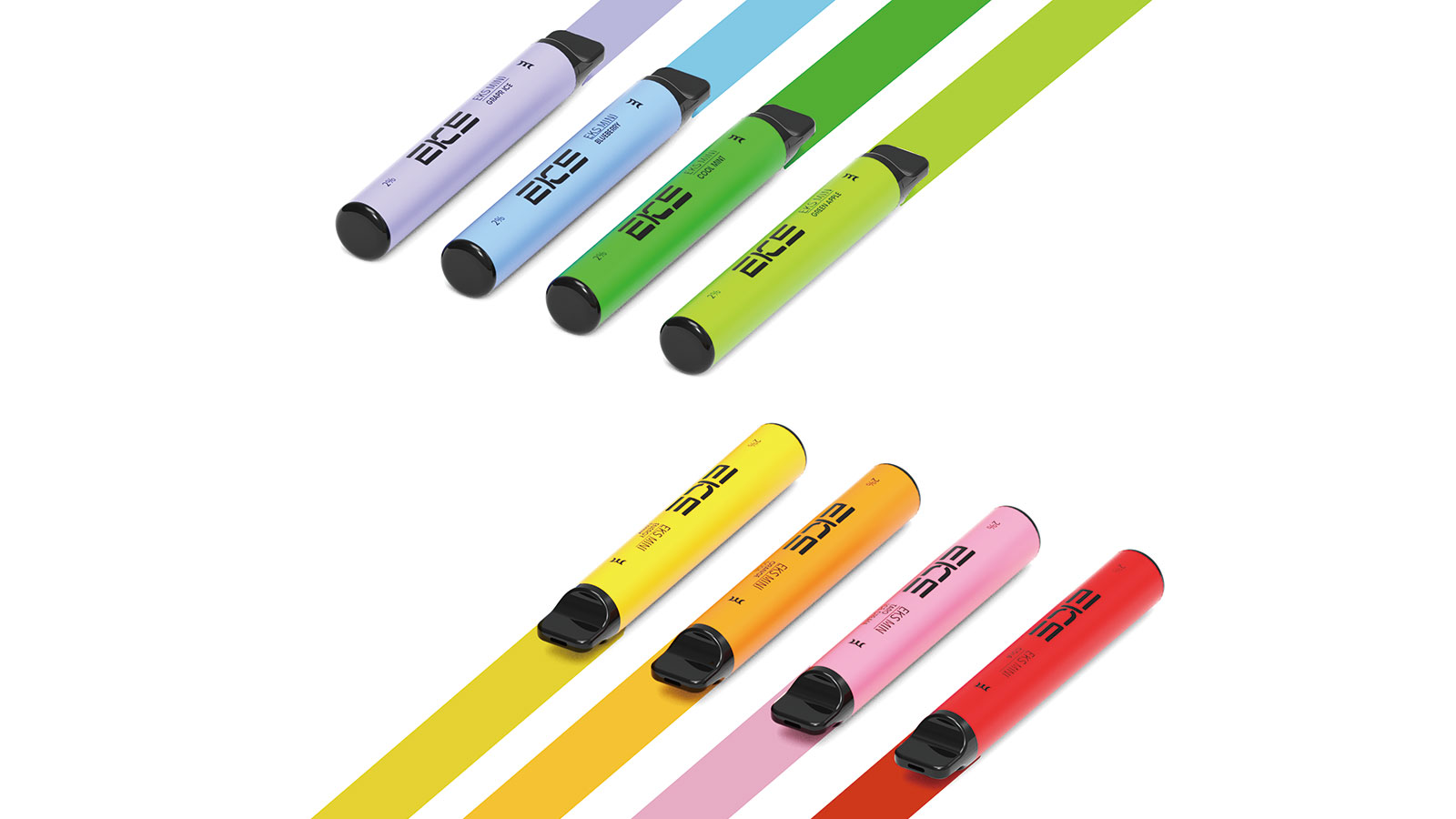
Vapesky More Than Manufacturing: 5 Value-Added Services We Offer – From Design to Logistics

vapesky: More Than Manufacturing – 5 Value-Added Services /* 基础全局样式,补充内联样式未覆盖的通用规则 */ body { margin: 0; padding: 20px 0; font-family: Arial, sans-serif; background-color: #f8fafc; } figure { margin: 0; padding: 0; } figcaption { font-size: 14px; color: #666; margin-top: 10px; text-align: center; } strong { color: #1a365d; }

In today’s competitive market, manufacturing is no longer just about producing goods. Customers seek partners who deliver end-to-end solutions to streamline operations, cut costs, and boost product value. At vapesky, we go beyond traditional manufacturing by offering five tailored value-added services—from initial design to final logistics—to support every stage of your product journey.

1. Collaborative Design & Engineering Support

vapesky design team working on 3D product modeling
vapesky engineers collaborating on a vaping device prototype

A strong product starts with smart design. The experienced engineering and design team at vapesky works closely with you to refine concepts, optimize for manufacturability (DFM), and select cost-effective materials. Whether you need 3D modeling, prototype testing, or adjustments to meet vaping industry standards (like CE or FCC), we ensure your design is innovative and production-ready.

For example, a startup partnered with vapesky to refine their pod system design. We suggested heat-resistant material swaps that cut costs by 15% while maintaining durability, and adjusted the casing to simplify assembly—helping them launch 3 months early.

2. Customized Production Planning & Small-Batch Manufacturing

One-size-fits-all production fails for niche industries like vaping. At vapesky, we create tailored plans for large-scale runs or small-batch tests (perfect for startups or new product trials). Our flexible lines adapt to demand changes, and just-in-time (JIT) production minimizes inventory costs—with real-time updates so you always know your order status.

A vaping accessory brand used vapesky’s small-batch service to test a new coil holder. We produced 500 units in 4 weeks, letting them gather user feedback fast and tweak designs before mass production.

3. Rigorous Quality Control & Compliance Assurance

Quality is non-negotiable—especially for vaping products. vapesky’s QC process starts with raw material inspections (checking for consistency and safety) and continues through every production step. We use advanced tools (like coordinate measuring machines) to verify dimensions and performance, plus keep detailed records for compliance with global standards.

Last year, a vaping device client needed IEC 62133 compliance. vapesky’s QC team did 100% dimensional checks and provided full traceability reports, helping them pass their audit with zero issues.

4. Post-Production Support & After-Sales Service

vapesky’s commitment doesn’t end at production. We offer full post-production support: product assembly, custom branding (like logo-printed packaging for vaping kits), and regional labeling. Our after-sales team also handles repairs, replacement parts, and technical help—reducing your operational burden.

A vaping retailer used vapesky’s assembly service for their starter kits. We pre-assembled devices and used eco-friendly packaging, cutting their in-store prep time by 70% and lowering damage complaints.

5. Integrated Logistics & Global Distribution Solutions

vapesky warehouse staff managing global shipping
vapesky’s logistics hub preparing vaping products for global delivery

Getting products to market fast matters. vapesky partners with trusted logistics providers to offer warehousing, order fulfillment, and global shipping—including customs clearance for vaping products (a key pain point for international brands). Our real-time tracking lets you monitor shipments from our warehouse to your customers.

A global vaping brand used vapesky’s logistics to ship their new device line to 20 countries. We managed 3 regional hubs, coordinated air/sea freight, and handled customs paperwork—ensuring on-time delivery for peak season.

Why vapesky’s Value-Added Services Matter

By combining manufacturing with these five services, vapesky solves your biggest challenges: long lead times, high costs, and quality risks. We’re not just a supplier—we’re your strategic partner, helping you stay ahead in the vaping industry and beyond.

Ready to streamline your product journey? Contact vapesky today to learn how our services boost efficiency and your bottom line.

From Concept to Market: Decoding the End-to-End Journey of a Successful E-Cigarette

017-mobile-banner

Launching a successful e-cigarette isn’t just about “a good idea”—it’s a tightly linked end-to-end journey connecting user needs, technical R&D, regulatory compliance, and market validation. Every link in this chain decides whether a product can go from a sketch on paper to a bestseller in consumers’ hands. Let’s decode this complex but replicable process step by step.

1. Concept Initiation: Anchor on User Needs, Not Just “Inventions”

The first step of this journey isn’t “designing a product”—it’s “finding a pain point.” Successful e-cigarette brands start with targeted user demand research: they use online surveys, focus groups, and social media listening to identify unmet needs.

For example: Heavy smokers care most about “long battery life”; young users focus on “portable size and trendy appearance”; health-conscious groups pay close attention to “the safety of e-liquid ingredients.”

At the same time, competitor differentiation analysis is critical. By studying the strengths and weaknesses of existing products (e.g., “Brand A’s atomizer leaks easily” or “Brand B has too few flavor options”), the team defines the new product’s core selling point (USP)—this becomes the “compass” for all subsequent work.

2. R&D & Design: Turn Concepts into Usable Prototypes

This stage is the “engine room” of the product. The R&D team must balance three core elements: performance, safety, and user experience.

On the hardware side: They select high-quality batteries (to avoid overheating risks), optimize atomizer structures (to reduce oil leakage), and test e-liquid formulas (to ensure consistent flavor).

On the software side: They develop intelligent temperature control systems (to prevent dry burning) and battery level display functions. The key here is rapid prototype iteration.

After finishing the first prototype, the team conducts internal testing and user trials: If users feedback “suction resistance is too strong,” they adjust the air inlet; if battery life is shorter than expected, they replace it with a higher-capacity cell. This iteration usually takes 2-3 months—until the prototype meets 90% of preset demand standards.

Figure 1: Breakdown of the E-Cigarette R&D Process (From Prototype to Testing)

3. Regulatory Compliance: The “Passport” to Enter the Market

For e-cigarettes, compliance isn’t an option—it’s a prerequisite. Different regions have strict regulatory requirements, and missing any can block market entry:

  • The U.S. FDA requires e-cigarettes to pass PMTA (Premarket Tobacco Product Application) certification;
  • The EU’s TPD (Tobacco Products Directive) limits nicotine content to ≤20mg/mL;
  • China mandates that e-cigarettes be sold through a unified national platform.

The compliance team must start preparing materials during R&D: This includes e-liquid ingredient lists, hardware safety test reports, and production process specifications. A single mistake (e.g., missing a test item) could get the product banned—so this link must be “zero-error.”

4. Mass Production & Market Launch: From Factory to Consumer

After passing compliance tests, the product enters the mass production stage. The core challenge here is supply chain coordination:

Brands need to ensure suppliers of batteries, atomizers, and e-liquids deliver high-quality materials on time. At the same time, factories must control production processes—like circuit board soldering accuracy and e-liquid filling precision—to avoid batch quality issues.

When launching to market, brands need to build a precision channel matrix: combining online channels (e-commerce platforms, official websites) and offline channels (specialty stores, convenience stores). They also need to match this with user education content—such as “How to charge the e-cigarette properly” or “Introduction to flavor options.”

For example, some brands cooperate with KOLs to shoot experience videos—this quickly boosts product exposure among target groups.

E-Cigarette Market Launch Linkage

Figure 2: E-Cigarette Market Launch Linkage (From Channel Building to User Education)

Conclusion: The Secret of a “Successful End-to-End Journey”

Looking back at the entire journey from concept to market, a successful e-cigarette doesn’t depend on a single “bright spot”—it relies on the seamless connection of every link:

User needs guide R&D; R&D supports compliance; compliance guarantees production; production connects to market feedback. Only by treating each stage as a “key link” (not a “formality”) can the product stand out in the competitive e-cigarette market.

For brands wanting to replicate this success, the most important lesson is: Don’t rush to “launch products”—first “sort out the process.” The end-to-end journey isn’t a “one-way road”—it’s a “loop” that continuously optimizes based on market feedback. This is the core logic of long-term success.

Costs soaring and crunching your profits? Our Vaping ODM slashes costs for you—all via innovative designs!

In today’s chaotic market, e-cig brands aren’t just facing cost hikes. They’re watching profit margins evaporate like vapor—a problem made worse by cascading supply chain issues.

Raw material prices have spiraled: lithium-ion batteries jumped 25% year-over-year in 2023, driven by lithium and cobalt shortages. Food-grade nicotine solutions and heat-resistant plastics followed suit, with some suppliers raising prices by 18% due to energy costs. Worse still, supply chain snags have extended key component lead times from 4 weeks to 6-8 weeks, forcing brands to hold more inventory and tie up cash.

To add to the pressure, regulatory costs are tightening. EU TPD 3 now requires more rigorous toxicology testing (costing $50,000-$80,000 per product), while US PMTA applications demand thousands of pages of documentation. Brands also need to keep innovating—consumers now expect features like fast charging and leak-proof pods. No wonder mid-sized and emerging brands see margins shrink to 5-8%, down from 15% just two years ago.

For these businesses, the question isn’t just “how to survive.” It’s “how to cut costs without gutting quality.” Thankfully, electronic cigarette ODM services offer a solution—the unsung heroes turning cost headaches into wins, all through design-driven efficiency.

🔧 1. Modular Design: Standardize the Core, Customize the Fun (and Upgrade Later)

ODM’s biggest trick to cut costs? Modular design. In short, brands don’t have to rebuild products from scratch for every new flavor, market, or feature upgrade.

To break this down simply: ODMs create gear with swap-and-go modules. Core parts—batteries, atomizers, circuit boards—stay standardized (slashing mold costs by 30-45%). The best part? This design supports future upgrades: if a brand wants to add Bluetooth (for usage tracking) later, it can swap in a new circuit board module without changing the battery or casing.

Take European premium pod brand VapeLab, for example. It teamed up with an ODM to launch a modular lineup in 2023. One battery module powers three pod flavors (tobacco, berry, mint) and two nicotine strengths (3mg, 6mg). The result? No more wasted money on five separate battery molds, a 38% drop in upfront design costs, and products hitting shelves 25% faster. Six months later, VapeLab added a fast-charging battery module—no retooling needed.

🌿 2. Material Magic: Save Cash, Boost Durability, and Cut Waste

ODM teams don’t just pick materials at random. Instead, they hunt for alternatives that balance three key factors: cost, safety, and long-term durability—because fewer returns mean more savings.

A great example is replacing traditional aluminum alloy casings with high-strength, food-grade PC (polycarbonate) composites. This switch meets EU REACH and US FDA standards (critical for mouth-contact parts) and chops material costs by 20-28%. Even better, PC composites resist high-temperature aging—so pods last 30% longer, Reduce the after-sales return rate from 7% to 3% for brands like Southeast Asia’s DispoVape.

Beyond just material swapping, ODMs optimize usage with precision engineering. They use CAD software to map material layouts, reducing cutting waste from 12% to 5%. For DispoVape, this meant a 19% drop in raw material waste—and $120,000 back in their pocket for a 500,000-unit run. ODMs also use “lightweighting” (thinner casings with reinforced edges) to cut material use without sacrificing strength.

🤖 3. Smart Production: Design for Automation, Slash Errors

ODM innovation doesn’t stop at product design. It also extends to manufacturing—specifically, designing products to work seamlessly with automated lines, which cut labor costs and reduce human error.

How does this work? ODMs simplify component connections (e.g., snap-on pods instead of glued parts) so robotic pick-and-place systems can assemble products in seconds. They also add built-in alignment markers to ensure parts fit perfectly—no more misaligned buttons or leaky pods.

Here’s how this plays out for US-based brand CloudVape: An ODM redesigned its best-selling disposable e-cig’s internal structure, cutting manual assembly steps from 14 to 6. The automated line now produces 1,200 units per hour—up from 500 units with human workers.

For CloudVape, the impact was huge: Labor costs dropped 42%, production capacity rose 55%, and unit costs fell by $0.35. Most importantly, the automated line’s built-in quality checks (e.g., leak testing, battery voltage checks) Reduced the defect rate from 2.5% to 0.8%—saving $80,000 a year in reworks.

📜 4. Compliance-First Design: Avoid Rework, Speed Up Certifications

Regulatory missteps are silent cost killers. Brands can face $100,000+ in rework fees—or even get banned from markets—if products fail regional standards. The problem is, compliance rules vary wildly: EU TPD 3 requires child-resistant caps, while Canada’s Vaping Products Act mandates unique serial numbers for traceability.

To avoid this nightmare, ODMs weave region-specific compliance into the design phase. For EU-bound products, they pre-install child-resistant pod caps and reserve 20% of the casing space for health warnings. For US PMTA applications, they add extra ports for lab testing (e.g., for nicotine concentration sampling) and design parts that are easy to disassemble for toxicology checks.

North American brand NovaVape learned this the hard way: Its in-house design failed PMTA testing in 2022 because the battery compartment was too small for lab equipment. Partnering with an ODM, it redesigned the compartment to meet testing requirements. The result? No costly retooling, a 2-month faster certification process, and $230,000 in saved rework costs.

All in all, for e-cig brands drowning in cost pressures, ODMs aren’t just manufacturers—they’re strategic partners. A 2024 industry report from VapeTech Insights found that brands using ODM services have average profit margins of 17%, compared to 5-8% for those relying on in-house design.

Whether it’s modular design that supports upgrades, material choices that cut waste and returns, automated production that slashes errors, or compliance design that avoids reworks—ODMs help brands cut costs at the source. In short, this design-driven approach is the secret sauce to staying profitable and agile in a market where every penny counts.

Vape OEM vs. ODM: The Ultimate Guide to Choosing the Best Partnership Model for Your Brand

eks-fanghe-poste

In the competitive global vape industry, selecting the right manufacturing partnership—OEM (Original Equipment Manufacturing) or ODM (Original Design Manufacturing)—can make or break your brand’s success. Both models offer unique benefits, but their suitability depends on your brand’s goals, resources, and market strategy. This guide breaks down the key differences to help you make an informed decision.

What Is Vape OEM?

OEM involves partnering with a manufacturer to produce vape devices based on your brand’s existing designs, specifications, and intellectual property (IP). The manufacturer’s role is strictly production: they source materials, assemble products, and adhere to your quality standards, but do not contribute to product design.

Key Advantages of OEM:

  • Full control over product design, ensuring alignment with your brand identity.
  • Exclusive ownership of IP, preventing competitors from using your unique features.
  • Flexibility to tweak designs based on customer feedback without relying on the manufacturer.

Best for: Established brands with in-house design teams, existing IP, or specific product visions (e.g., premium vape pens with custom ergonomics).

Vape OEM Workflow: Brand Provides Designs → Manufacturer Produces → Brand Markets Final Product
Figure 1: The Vape OEM Workflow, Highlighting Brand Control Over Design

What Is Vape ODM?

ODM shifts design responsibility to the manufacturer: they create ready-to-market vape devices (including hardware, software, and compliance) that your brand rebrands and sells. You may request minor tweaks (e.g., color, logo), but the core design remains the manufacturer’s.

Key Advantages of ODM:

  • Faster time-to-market: Skip the design phase and launch products in weeks (vs. months for OEM).
  • Lower upfront costs: No need to invest in design teams, prototyping, or IP development.
  • Built-in compliance: Manufacturers handle regulatory requirements (e.g., FDA, TPD) for global markets.

Best for: Startups, small brands, or those entering new markets quickly (e.g., disposable vapes for emerging regions).

Side-by-Side Comparison of Vape OEM and ODM: Control, Cost, Time, Compliance
Figure 2: Core Differences Between Vape OEM and ODM Models

OEM vs. ODM: Key Comparison Table

Factor OEM ODM
Design Control Full (brand-owned) Limited (manufacturer-owned)
Time-to-Market 3–6 months (prototyping + production) 4–8 weeks (ready-to-brand)
Upfront Costs Higher (design, IP, prototyping) Lower (no design investment)
Compliance Responsibility Brand (with manufacturer support) Manufacturer (pre-certified)
IP Ownership Brand Manufacturer

How to Choose the Right Model

1. Evaluate your resources: If you have a design team and budget for IP, OEM is ideal. If not, ODM reduces risk.
2. Consider market speed: Entering a fast-changing market (e.g., disposable vapes) calls for ODM. For a unique, long-term product, choose OEM.
3. Prioritize compliance: For markets with strict regulations (e.g., EU TPD), ODM’s pre-certified designs save time.
4. Think long-term: OEM builds brand uniqueness; ODM is better for testing markets before scaling.

Ultimately, there’s no “one-size-fits-all” solution. Many brands use a hybrid approach: ODM for quick market tests and OEM for core, high-margin products.

50,000 Puffs vs. Frequent Restocks – Why Choose the Latter?

Three Core Advantages: Setting the Standard for Premium Disposable Vapes

1. Solid Configuration

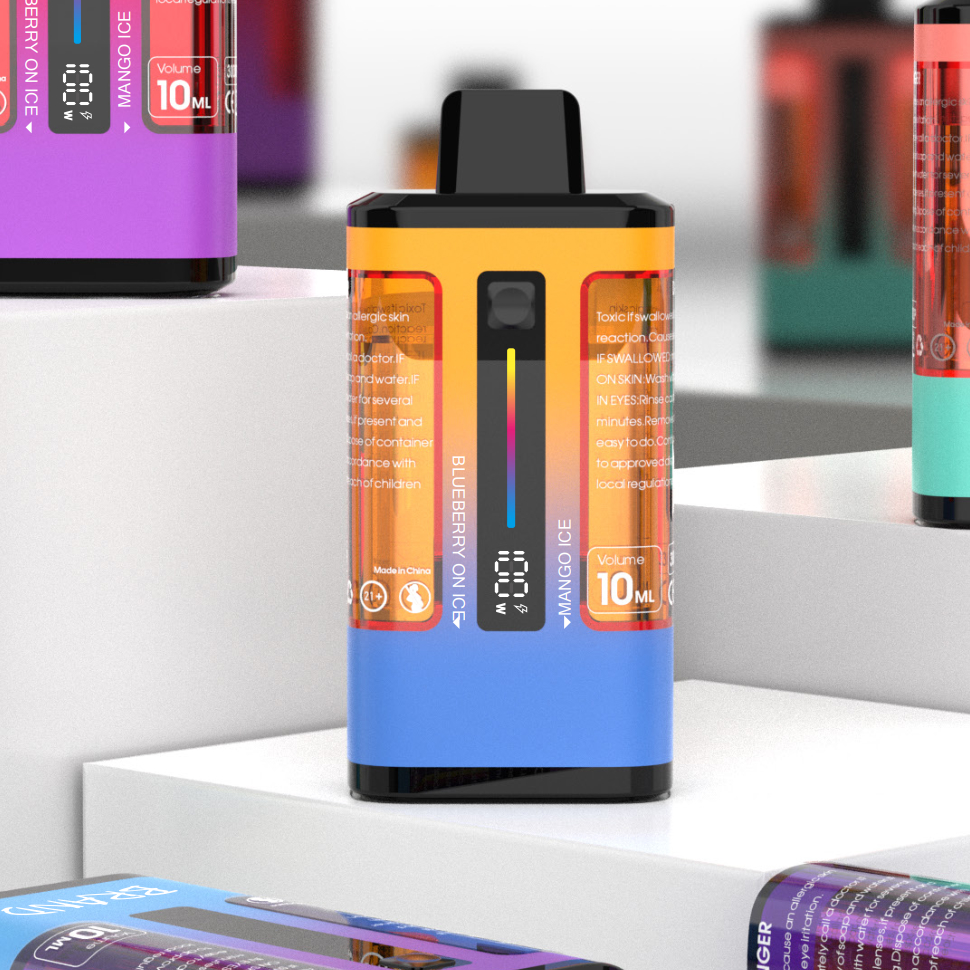
12ml dual oil tank (2+10ml), high-definition digital display, and 950mAh large-capacity battery deliver comprehensive upgrades from battery life to user experience, addressing core pain points.

VAPEMOHO Solid Configuration Detail

2. High Adaptability

Multi-level adjustable power adapts to e-liquids of different concentrations, covering the full range of flavor preferences from “rich” to “refreshing,” precisely reaching a broader consumer base.

VAPEMOHO High Adaptability Demo

3. Flexible Customization

Support for custom brand logos and exclusive packaging, combined with tiered pricing for bulk purchases, helps merchants build differentiated brands and expand profit margins.

VAPEMOHO Flexible Customization Sample

Precisely Meeting the Core Needs of Both Users and Merchants

  • For Users: Dual oil tank design eliminates frequent refueling hassle; high-transparency material allows clear visibility of remaining e-liquid, eliminating “e-liquid anxiety”; dual-flavor switching function maintains freshness without device replacement.
  • For Merchants: Differentiated features create competitiveness in a homogeneous market, significantly improving end-market repurchase rates; eliminates customer loss due to “insufficient e-liquid,” stabilizing user loyalty.
VAPEMOHO Meets User & Merchant Needs

Professional Configuration Details: Every Aspect Designed for Optimal Experience

Feature Specifications/Features User Benefits
Oil Tank Design 2+10ml dual tank (12ml total), high-transparency material Reduces refueling frequency, clear visibility of remaining liquid, prevents “sudden dry hits”
Display Function HD digital display (real-time battery level + puff count) Eliminates “blind use” inconvenience, precise device status monitoring
Power Adjustment Multi-level adjustable power Adapts to different e-liquid concentrations, meets personalized taste preferences
Battery Capacity 950mAh large-capacity battery Extended battery life, solves frequent charging issues
VAPEMOHO Detailed Configuration Display

Wholesale Exclusive: Flexible Customization + Tiered Pricing for Maximum Profitability

Customization Solutions

VAPEMOHO Wholesale Customization

– Brand logo customization: Enhance brand recognition
– Exclusive packaging design: Create differentiated visual identity
– Flavor customization: Match regional consumption preferences

Tiered Pricing

VAPEMOHO Tiered Price Discounts

– Larger purchase quantities = lower unit prices
– Additional rebates for long-term cooperative customers
– Reduce procurement costs, directly expand profit margins

Multi-scenario Application for Rapid Market Penetration

Whether for bulk offline store stocking, creating online bestsellers, or expanding gift customization channels, VAPEMOHO 50,000Puffs vape helps you quickly open up the market and firmly seize consumption dividends with its high cost-effectiveness and strong appeal!

VAPEMOHO Application Scenarios

Partner Now to Capture 50,000Puffs Vape Market Opportunities

VAPEMOHO —— A leading brand in the vape industry, empowering wholesale merchants with superior product strength to jointly develop high-margin markets!

Inquire About Wholesale Details