Tag Archives: vaping guide

E-Liquid VG/PG: Understand to Choose Right

017-mobile-banner

For vapers, E-Liquid VG/PG are ubiquitous terms on product bottles—but few fully comprehend how these two core ingredients define their vaping experience. Overlooking their role often leads to lackluster results: overly dry throats, thin vapor, or muted flavor. Understanding them (Vegetable Glycerin and Propylene Glycol) isn’t just technical knowledge; it’s the foundation for choosing an e-liquid that aligns with your device, preferences, and comfort.

What Are E-Liquid VG/PG? Core Definitions

These two base liquids form the backbone of all e-liquids, and their properties directly shape every aspect of your vape:
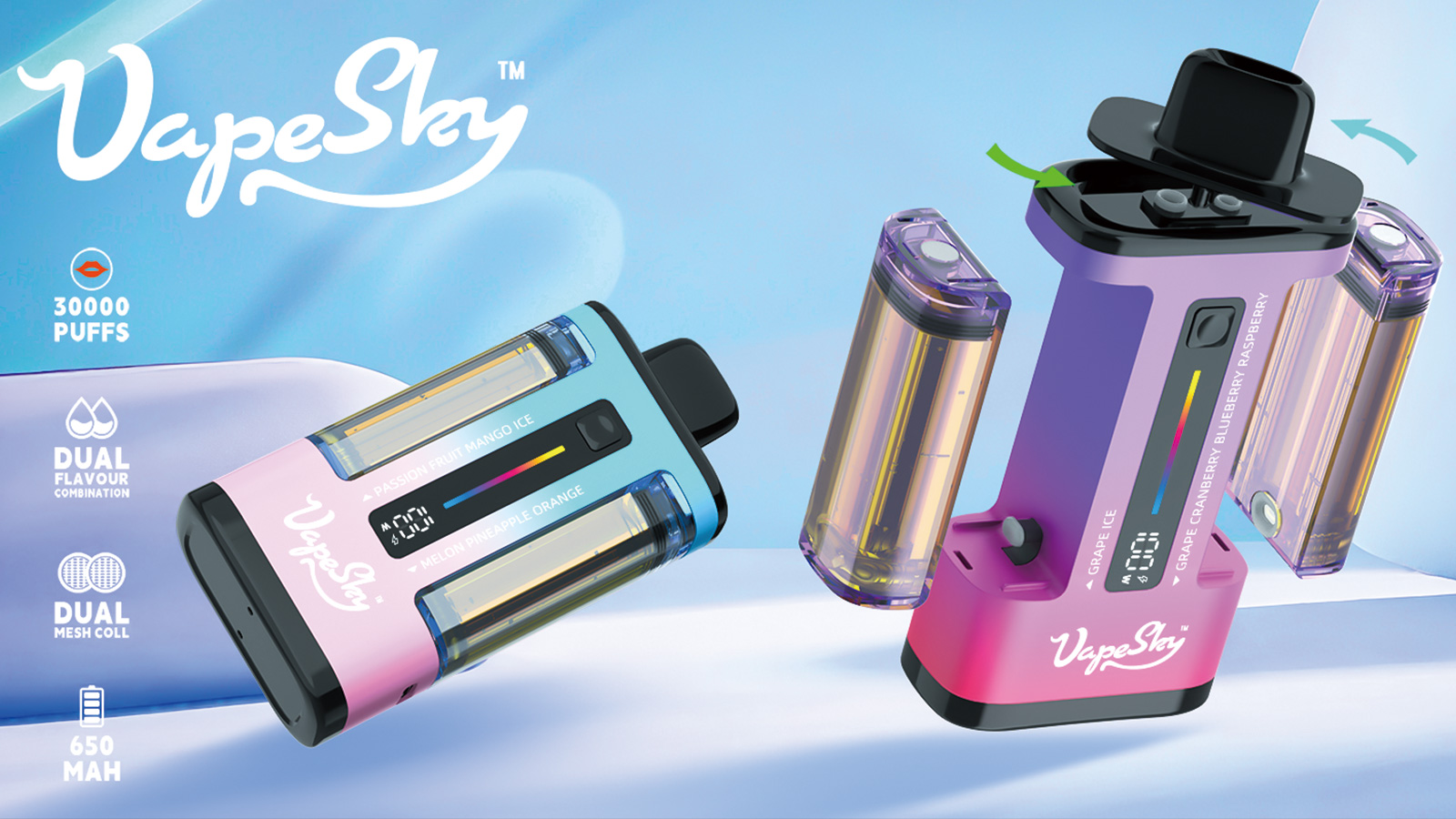
E-Liquid VG/PG Core Ingredients

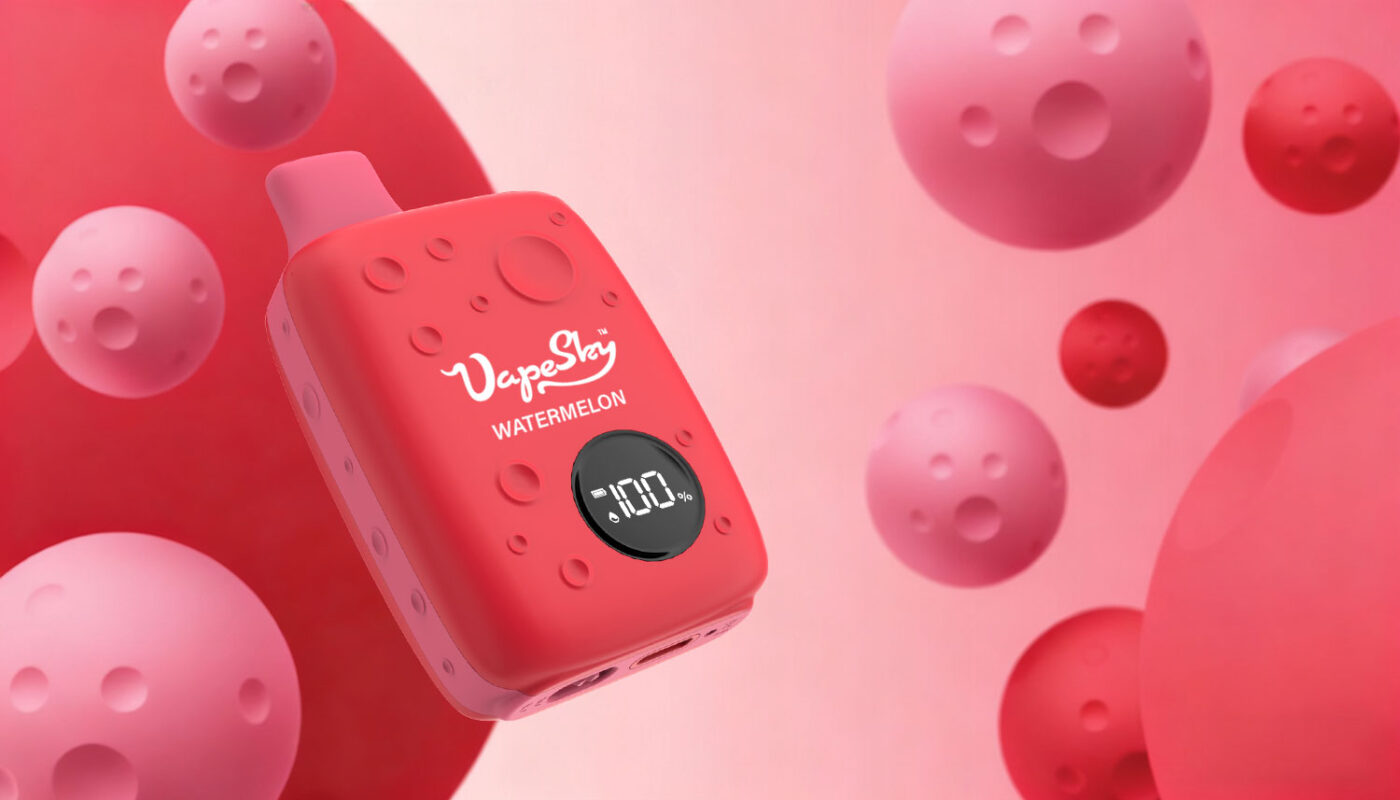
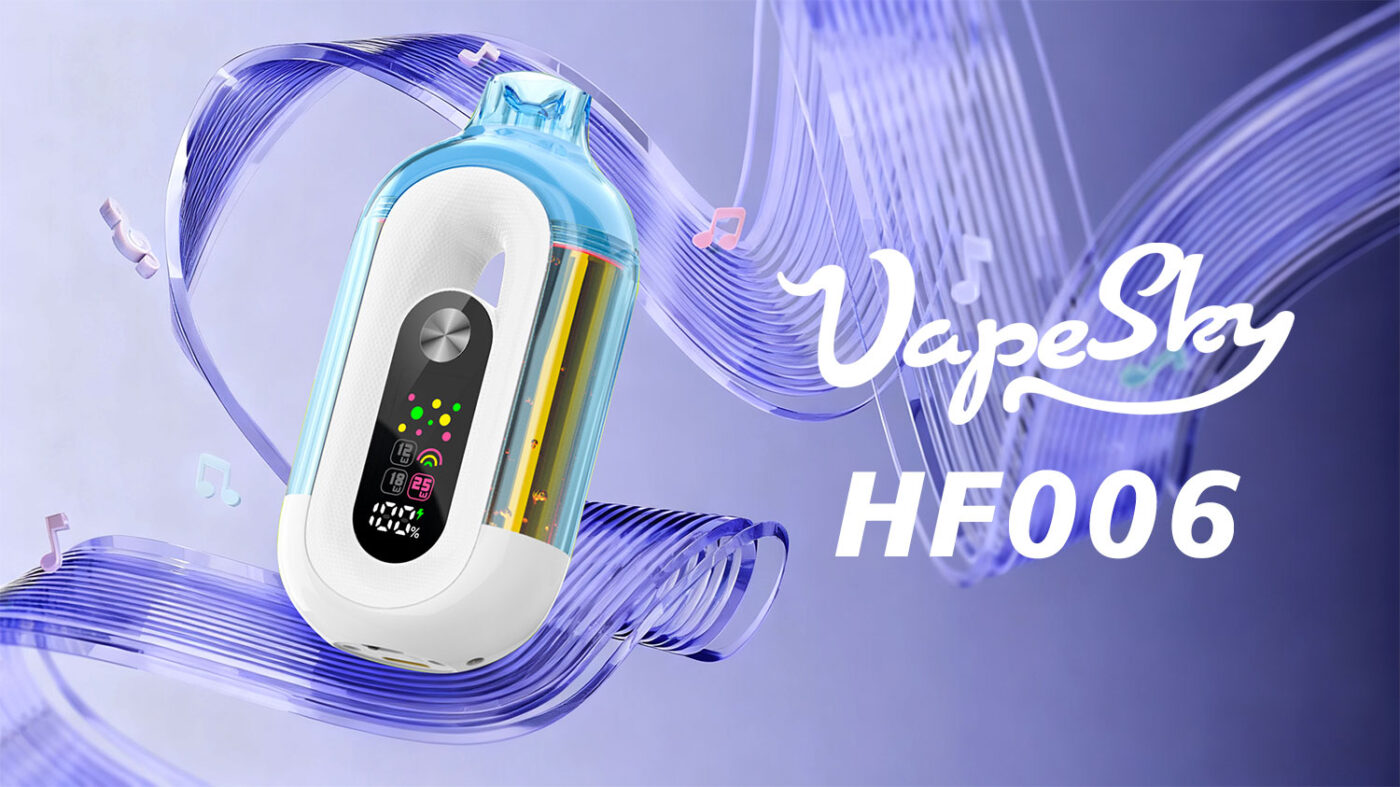
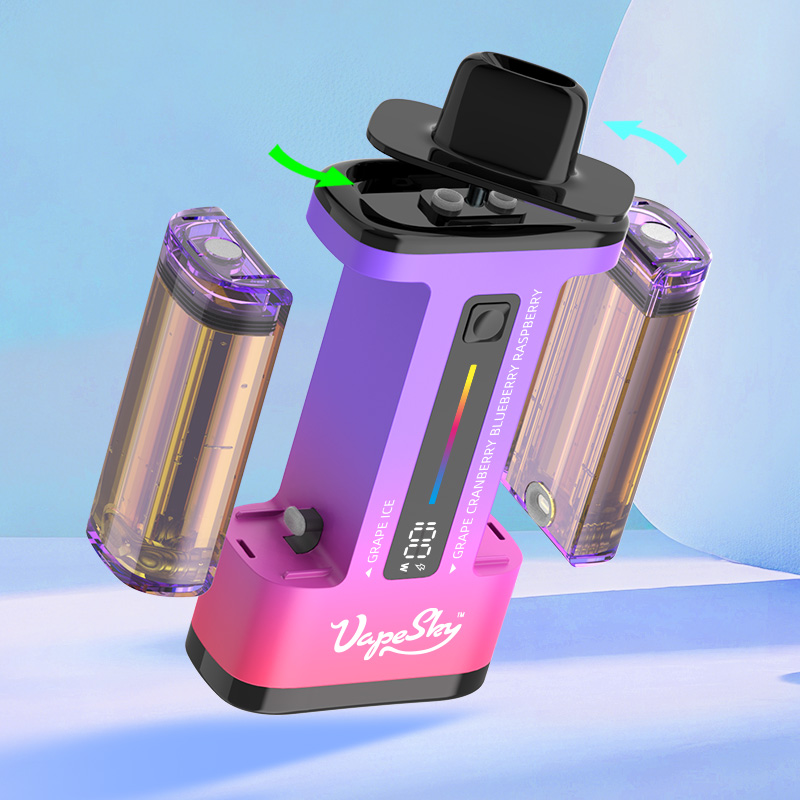
VAPESKY HF017 Equipment Display

  • Vegetable Glycerin (VG): A plant-derived component: odorless, naturally sweet, and thick. It’s prized for producing dense, voluminous vapor clouds.
  • Propylene Glycol (PG): The synthetic counterpart: flavorless, thin, and exceptional at carrying flavor molecules while delivering a smooth throat hit.

Ratios: How They Impact Your Vape

The ratio of VG to PG dictates three key elements: vapor production, flavor intensity, and throat hit. Choosing the right balance hinges entirely on your device and personal preferences:

High VG (70% VG/30% PG or Higher)

Ideal for sub-ohm devices (low resistance, high wattage) and cloud chasers. This blend delivers thick, billowing vapor and a mild, sweet throat hit. While vapor production is prioritized, flavor may be slightly softer due to VG’s viscosity— a tradeoff many cloud enthusiasts embrace. It works best with devices that require ample liquid flow to prevent dry hits.

High PG (60% PG/40% VG or Higher)

Tailored for pod systems, pen-style vapes, or mouth-to-lung (MTL) devices—setups that mimic the tight draw of a cigarette. This ratio leverages PG’s thin consistency to carry flavor with precision, resulting in crisp, vivid taste. It also delivers a satisfying throat hit, a key preference for former smokers. Note: High PG may irritate sensitive throats or cause dry mouth in some users.

50/50: The Versatile Middle Ground

Perfect for beginners or vapers who want balance. A 50/50 blend offers moderate vapor, decent flavor clarity, and a gentle throat hit. It adapts seamlessly to most devices—from basic pods to entry-level sub-ohm kits—making it a low-risk choice for those still exploring their preferences.
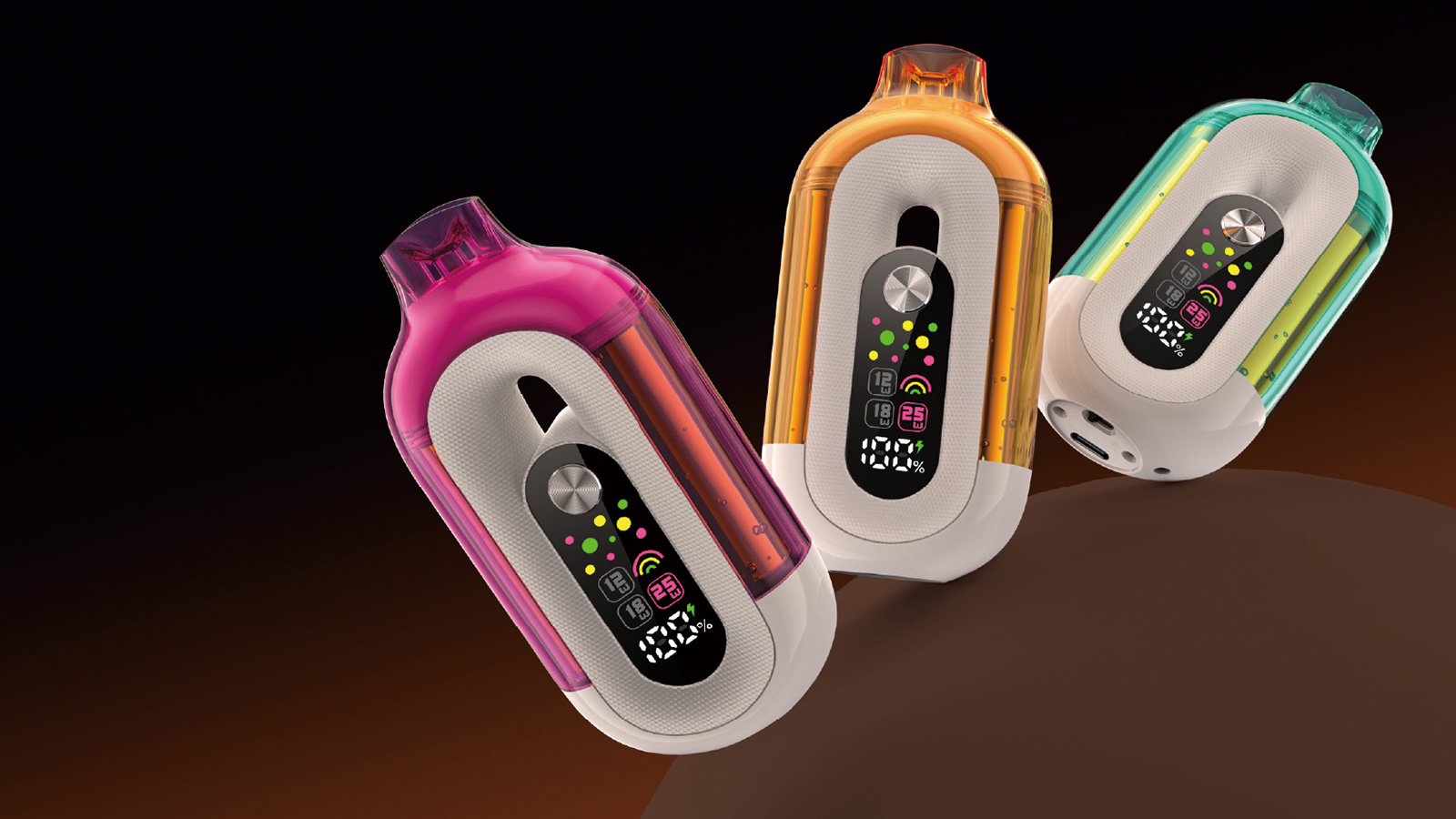
E-Liquid VG/PG Ratio Comparison

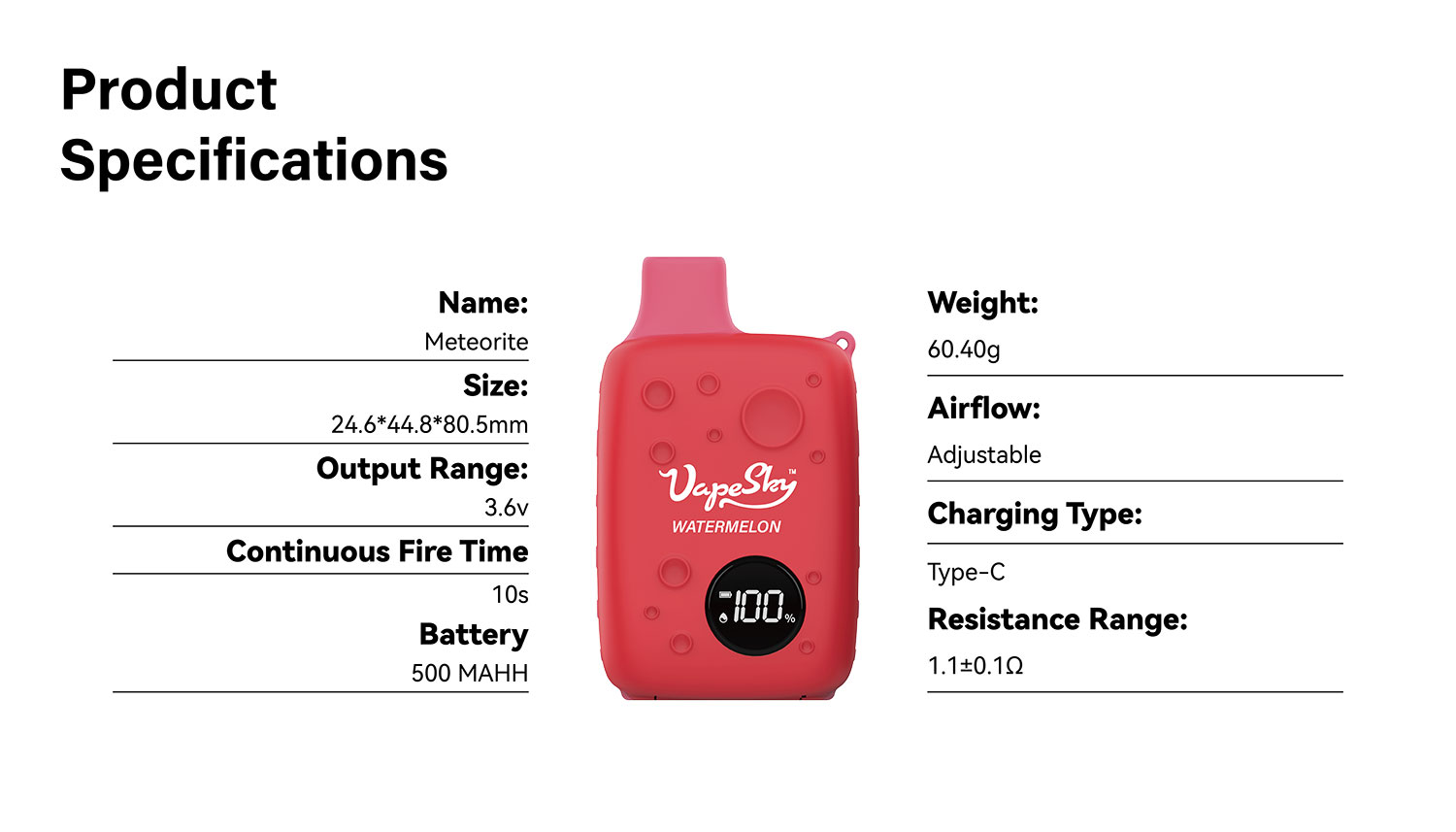
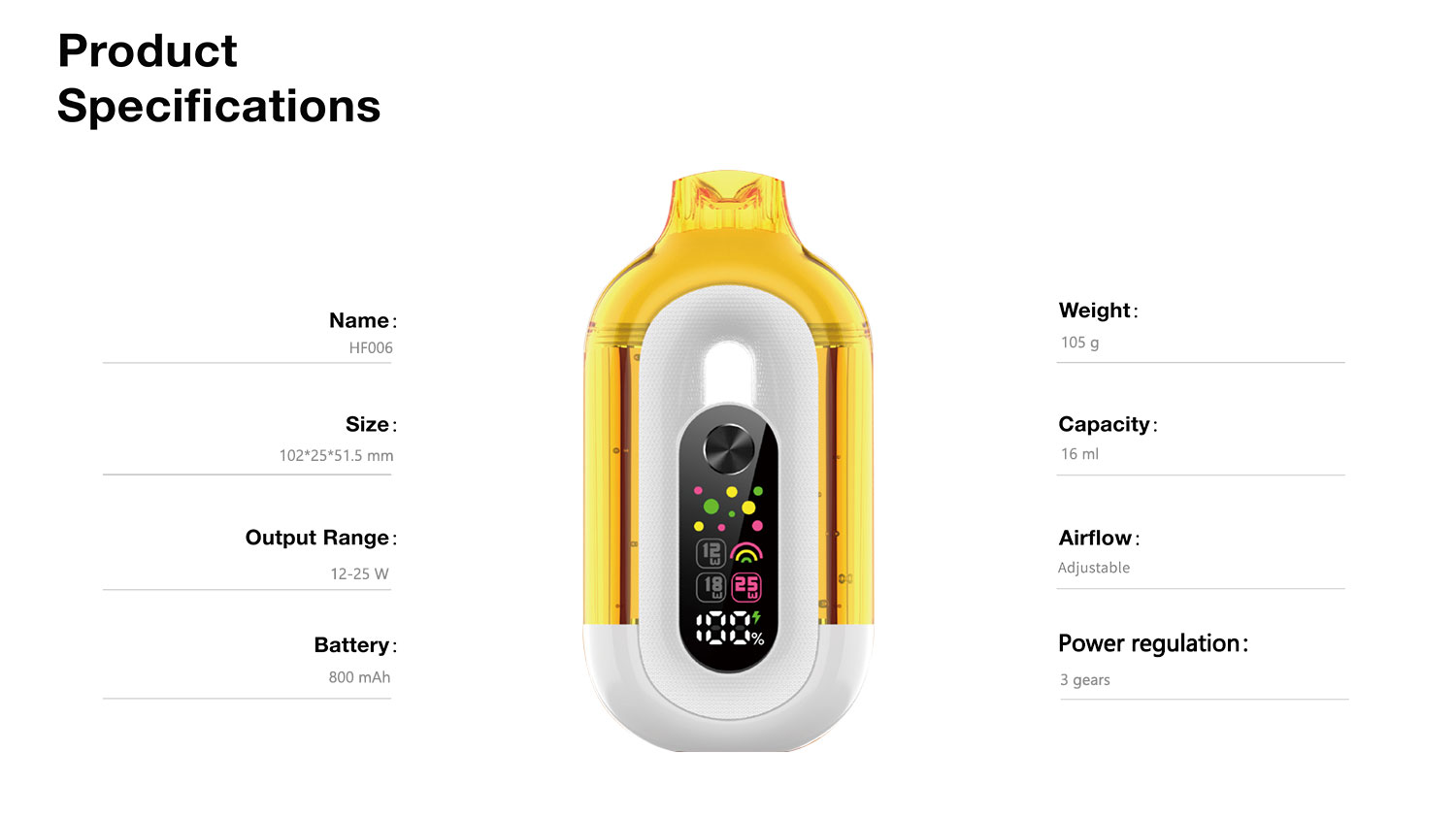
VAPESKY HF006 Equipment Display

Key Considerations for Comfort & Compatibility

  • Sensitivity: VG is gentler on airways, making high VG blends ideal for those with PG sensitivities or dry throat issues.
  • Flavor Pairing: VG’s natural sweetness complements dessert, fruit, or candy flavors. PG’s neutrality lets tobacco, menthol, or savory notes shine.
  • Device Compatibility: Thick high VG liquids can clog narrow pod coils. High PG blends may cause dry hits in sub-ohm devices due to rapid absorption.

How to Choose the Right Ratio

Follow this simple framework to nail your choice without guesswork:

  1. Identify your device type (sub-ohm = high VG; MTL/pod = high PG).
  2. Prioritize your goal: cloud production, bold flavor, or balanced comfort.
  3. Test ratios if unsure—start with 50/50, then adjust based on your experience.

VG and PG aren’t just passive ingredients—they’re the building blocks of a personalized vaping experience. By understanding their unique properties and how ratios interact with your device and preferences, you’ll move beyond generic e-liquids and select blends that feel custom-tailored. Vaping is about enjoyment, and mastering E-Liquid VG/PG basics is the first step to consistent, satisfying hits.
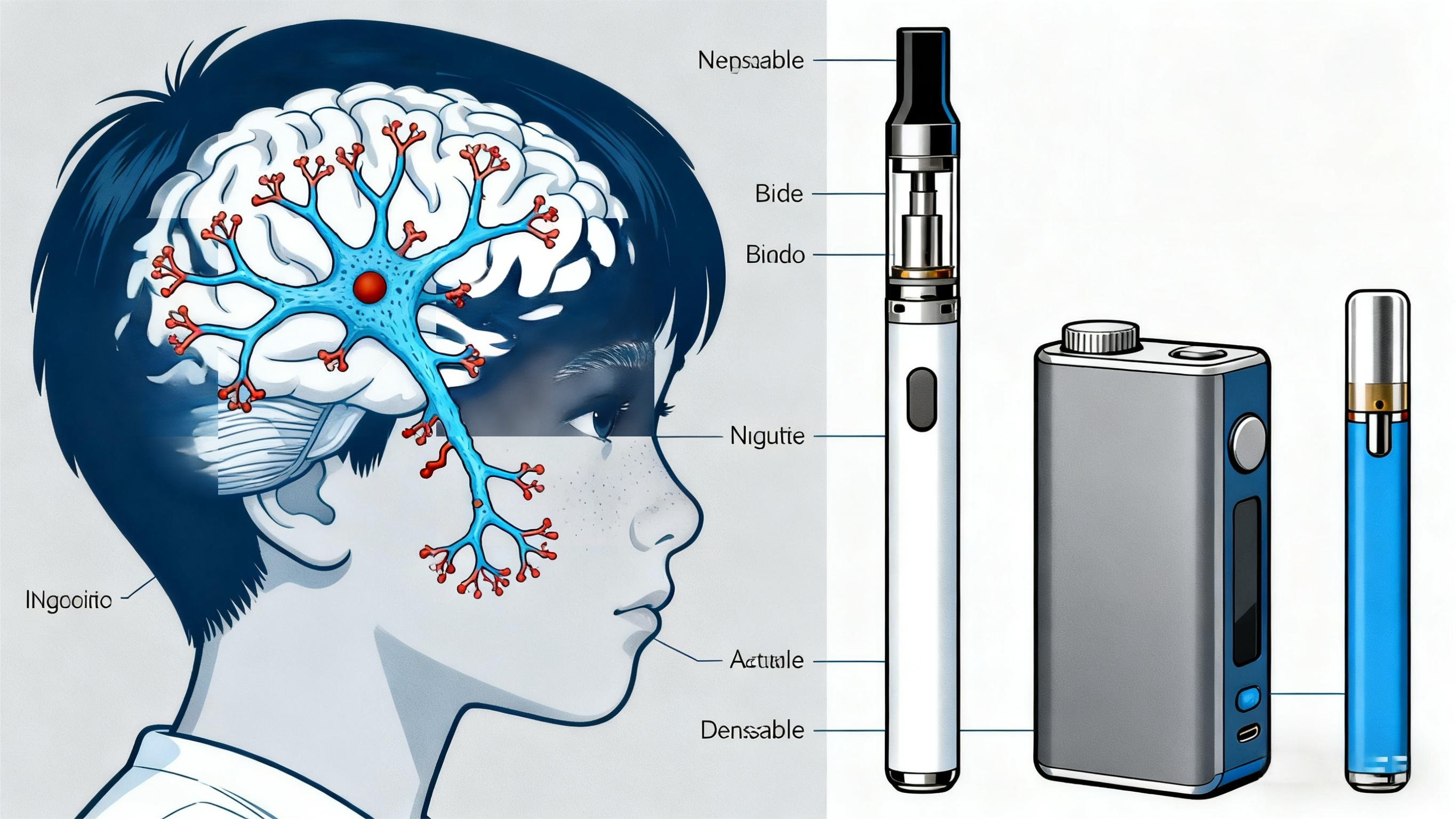
Teenagers and E-cigarettes: Warning Signs Parents Must Know

The youth e-cigarette epidemic is a pressing public health concern. Specifically, the U.S. Food and Drug Administration (FDA) calls it a “significant threat” to adolescent development. According to the 2023 National Youth Tobacco Survey (NYTS), 1 in 10 high school students use e-cigarettes. Of these, 38% even report daily use. These devices not only deliver highly addictive nicotine—which alters teen brain chemistry—but also contain harmful chemicals like formaldehyde and heavy metals. For parents, early warning sign recognition is therefore critical. Notably, 80% of teen users develop addiction within six months (American Medical Association, 2022).

Key Warning Signs to Monitor
1. Discreet Devices and Aromatic Clues
Concealable Device Designs

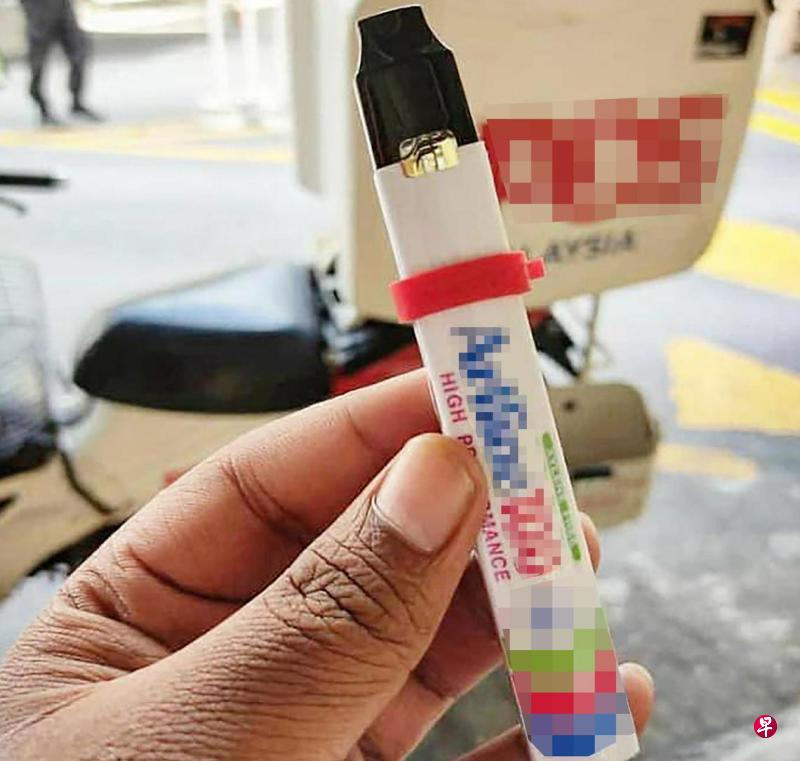
Modern e-cigarettes are intentionally built for hiding. For instance, they often resemble everyday items like USB drives (e.g., Juul), writing pens, highlighters, or lip balm tubes. Parents should therefore watch for unaccounted-for small devices around their teen’s space. Additionally, they should check for refillable pods or USB-C chargers that don’t match their teen’s electronics.

Noticeable Aromas and Masking Attempts

Most e-liquids feature strong, sweet scents. Common flavors include mint, berry, tropical fruit, or desserts. These aromas not only stick to clothing but also linger in bedrooms or cars. As a result, teens may frequently use breath mints, body spray, or air fresheners to cover the smell. Furthermore, they might open windows excessively or avoid close contact to hide the scent.

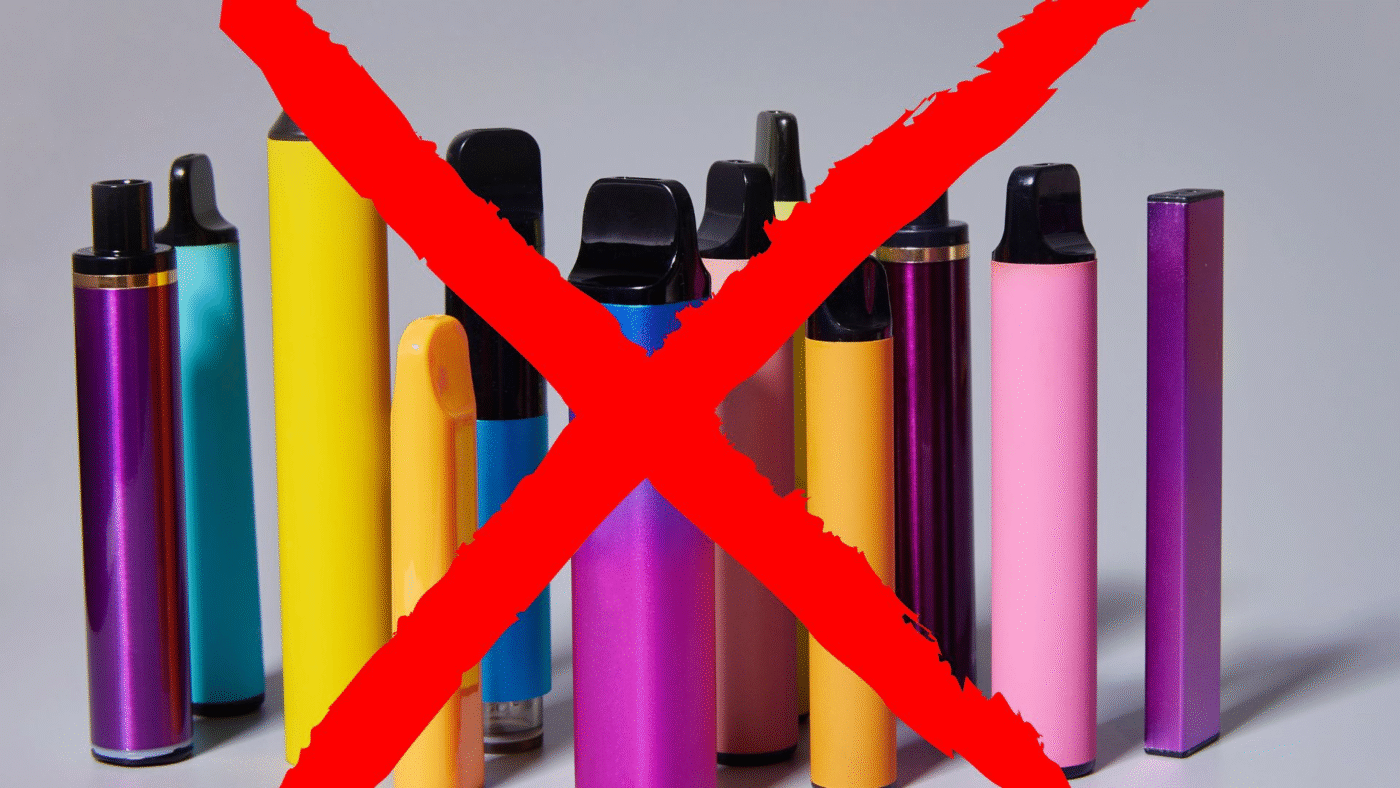
Disguised e-cigarette devices (USB drives, pens)
2. Behavioral Shifts and Increased Secrecy
Privacy Boundary Changes

Nicotine use often leads to sudden secretive behavior. For example, teens may spend excessive hours in bathrooms or bedrooms with doors locked. They may also avoid family meals or gatherings without a clear reason. Moreover, they might hide their phone screens when parents approach or switch apps quickly. Additionally, they may grow defensive or angry when asked about their whereabouts or activities.

Financial Anomalies

E-cigarettes and replacement pods come with recurring costs. Devices typically range from $15-$30, while pod packs cost $10-$15 each. Consequently, teens may ask for extra cash without a valid explanation. They may also steal loose change, borrow money frequently, or use parents’ payment methods without permission. Furthermore, they might hide receipts or avoid discussing how they spend their allowance.

3. Physiological and Cognitive Symptoms
Physical Health Red Flags

Nicotine and e-cigarette chemicals trigger distinct physical effects. Firstly, persistent dry cough or throat irritation is common, especially after waking up. Secondly, shortness of breath may occur during light activity due to respiratory inflammation. Additionally, teens may experience frequent headaches or dizziness from nicotine-induced blood pressure fluctuations. They might also complain of dry mouth or bad breath despite regular hygiene.

Mental and Sleep Disturbances

Sleep disturbances are a key indicator of teen vaping. For instance, teens may struggle with insomnia or wake up frequently during the night. They may also report vivid nightmares or restless sleep. Moreover, mood swings—such as unexplained irritability, anxiety, or sudden outbursts—often accompany nicotine use. Furthermore, parents may notice a decline in focus or memory, as nicotine impairs adolescent brain function.

Health effects of teen vaping (respiratory system)
4. Social Circles and Digital Footprints
Peer Group Shifts

Peer influence is the primary driver of teen e-cigarette use. According to the CDC (2023), 70% of users first try vaping in social settings. Parents should therefore watch for sudden shifts in their teen’s friend group. Specifically, new friends who avoid parental supervision or speak in code may be a red flag. Additionally, teens may start using vaping-related slang like “juuling,” “pod hits,” or “cloud chasing.”

Digital Clues on Social Media

Social media often reveals hidden vaping habits. For example, teens may like or follow e-cigarette brands such as Vuse, Elf Bar, or Geek Vape. They may also post photos or videos featuring vaping paraphernalia. Furthermore, they might join private online communities focused on e-cigarette modification or “cloud chasing.” Parents should also look for encrypted messaging apps, as teens may use them to coordinate vaping with friends.

Evidence-Based Parental Responses
  • Prioritize non-judgmental communication: Start with open-ended questions like “What do your friends think about vaping?” to encourage honest dialogue. Avoid scolding, as this may push teens to withdraw. Instead, share age-appropriate data from trusted sources like the FDA or CDC to highlight risks.
  • Build product literacy: Take time to learn about current e-cigarette designs and marketing tactics. For example, disposable devices are often brightly colored and flavored to appeal to teens. Use resources from FDA’s “This Is Our Watch” campaign to stay informed. Additionally, discuss how e-cigarette companies target young people with misleading ads.
  • Set clear, consistent rules: Establish firm policies against nicotine use in the home. Collaborate with schools to reinforce these rules, as many districts use evidence-based programs like “Truth Initiative.” Moreover, involve other caregivers (e.g., grandparents, teachers) to ensure consistency. If rules are broken, enforce calm, predictable consequences.
  • Seek professional support: If addiction is suspected, consult a pediatrician immediately. A certified tobacco treatment specialist can create a personalized cessation plan. Furthermore, FDA-approved nicotine replacement therapies (NRT) may be recommended for older teens. Support groups for teens and parents can also provide valuable guidance.

Adolescent brain development continues until age 25, which makes teens uniquely vulnerable to nicotine addiction. By recognizing these evidence-based warning signs, parents can act early to protect their children. Moreover, proactive, informed parenting—not just strict rules—plays a pivotal role in fighting the youth e-cigarette crisis. Ultimately, open communication and mutual trust are the strongest tools for guiding teens toward healthy choices.

Sources: FDA (2023); CDC National Youth Tobacco Survey (2023); American Medical Association (2022); American Academy of Pediatrics (2022)

Control Nicotine Intake: Start with E-Liquid Nicotine Concentration

HF001-intro-1

For vapers seeking to manage their nicotine consumption, the journey often starts with a detail that’s easy to overlook: the nicotine concentration of e-liquid. Unlike traditional cigarettes, where nicotine levels are fixed, e-liquids offer flexibility to adjust intake—but this flexibility only works if you use it intentionally. Understanding how to leverage e-liquid concentration is the first step to taking control of your nicotine habits, whether you’re aiming to maintain a steady level or gradually reduce it.

E-Liquid Nicotine Concentration Chart

A guide to common e-liquid nicotine concentrations (mg/mL) and their ideal use cases.

Why E-Liquid Concentration Is Non-Negotiable for Intake Control

Nicotine concentration—measured in milligrams per milliliter (mg/mL)—directly dictates how much nicotine you consume with each puff. A 3mg/mL e-liquid, for example, delivers far less nicotine per draw than a 12mg/mL option. This means even if you vape the same number of times daily, switching concentrations can drastically change your total intake. For many users, the mistake lies in sticking to a single concentration out of habit, rather than aligning it with their actual needs.

Consider a former heavy smoker who starts with 18mg/mL e-liquid to match their previous nicotine intake. Over time, as their body adjusts, that concentration may become too high—leading to jitters or cravings for fewer puffs. By dropping to 12mg/mL, they can maintain satisfaction without overconsuming. This adaptability is why e-liquid concentration is the foundation of controlled nicotine use.

Vaper choosing e-liquid concentration

Choosing the right e-liquid concentration helps align nicotine intake with your goals.

How to Choose (and Adjust) Concentration for Your Goals

The right concentration depends on two key factors: your current nicotine tolerance and your long-term goal. If you’re new to vaping or switching from light smoking, 3-6mg/mL may suffice. Heavy former smokers often start with 12-18mg/mL, then gradually lower the concentration as cravings ease. Importantly, adjustments should be gradual—dropping by 3-6mg/mL at a time allows your body to adapt without triggering intense cravings.

Another tip: Track your intake alongside concentration. If you find yourself vaping more frequently after lowering concentration, it may mean the drop was too steep—try a smaller adjustment. Conversely, if you feel no craving for hours after vaping, you might be able to reduce further. This feedback loop ensures your concentration stays in sync with your body’s needs.

Avoiding Common Pitfalls

One common mistake is prioritizing flavor over concentration—opting for a high-concentration e-liquid just because you like the taste, even if it leads to overconsumption. Always check the concentration first, then choose flavors within that range. Additionally, be mindful of device type: pod systems, which produce smaller clouds, often pair better with higher concentrations (6-12mg/mL), while sub-ohm tanks (larger clouds) work best with lower concentrations (0-6mg/mL) to avoid nicotine overload.

In short, controlling nicotine intake isn’t about restricting your vaping experience—it’s about making intentional choices, starting with e-liquid concentration. By understanding how concentration impacts your intake, adjusting gradually, and aligning your choice with your goals, you can take charge of your nicotine habits in a way that feels sustainable and effective. It’s a small detail that makes a big difference in your overall vaping journey.

E-Cigarette Smoke: What Else Beyond Nicotine?

HF006-intro-1

E-cigarettes are often marketed as a “safer alternative” to traditional cigarettes, with public debate largely focusing on nicotine content. Yet the aerosol—commonly called “e-cigarette smoke”—contains a complex mix of substances far beyond nicotine. Understanding these hidden components is vital for making informed vaping decisions, especially as use surges among young adults and teens.

Propylene Glycol and Vegetable Glycerin: The Base Carriers

Nearly all e-cigarette liquids rely on two primary ingredients: propylene glycol (PG) and vegetable glycerin (VG). These colorless, odorless liquids carry nicotine and flavorings, creating the thick vapor users inhale. While generally recognized as safe for food and cosmetic use, their behavior at high temperatures—often 300-400°F in e-cigarettes—raises concerns.

When vaporized, PG can break down into formaldehyde—a known carcinogen—and acrolein, a toxic irritant that damages lung tissue. VG, though less likely to form harmful byproducts, can irritate airways, especially for those with asthma or allergies. Below is a visual breakdown of how these carriers transform when heated:

Diagram of PG and VG breakdown in e-cigarette aerosol

Even in small amounts, repeated inhalation of these breakdown products may contribute to long-term respiratory issues.

Flavoring Chemicals: More Than Just Taste

Fruit, candy, mint, and tobacco flavors drive e-cigarette popularity—especially among youth. But many flavoring chemicals are not designed for inhalation. Diacetyl, a compound used to create buttery flavors, is linked to “popcorn lung” (bronchiolitis obliterans), an irreversible lung disease.

Acetaldehyde, another common flavoring byproduct, is classified as a Group 1 carcinogen by the International Agency for Research on Cancer (IARC). Even “natural” flavorings can change molecularly when heated, releasing unexpected toxins. The appeal of flavors often overshadows their potential harms.

Heavy Metals and Microscopic Particles

E-cigarette heating coils—typically made of nickel, chromium, or kanthal—can leach heavy metals into the aerosol when heated. Studies have detected lead, cadmium, and nickel in e-cigarette vapor, all of which pose serious health risks. Lead accumulates in the body over time, damaging the brain and nervous system, while cadmium is linked to kidney disease and bone damage.

The vapor also contains ultrafine particles (smaller than 0.1 micrometers) that can penetrate deep into the lungs and enter the bloodstream. This image shows the size comparison of these particles versus traditional cigarette smoke particles:

Comparison of e-cigarette ultrafine particles and traditional cigarette smoke particles

These tiny particles can trigger inflammation and oxidative stress, with long-term effects still being studied.

Volatile Organic Compounds (VOCs) and Other Toxins

Vaping also releases volatile organic compounds (VOCs) such as benzene, toluene, and xylene—chemicals associated with headaches, dizziness, and long-term organ damage. Benzene, a byproduct of incomplete combustion in some devices, is a well-documented cause of leukemia. Furthermore, many e-cigarettes contain residual pesticides, heavy metal contaminants from raw materials, or unlisted additives that have not been tested for inhalation safety.

Beyond nicotine, e-cigarette smoke is a cocktail of potentially harmful chemicals, heavy metals, and particles. Science popularization must move beyond focusing solely on nicotine to highlight the full composition of e-cigarette aerosol. By understanding these hidden components, users—especially young people—can make more informed choices, and policymakers can craft regulations to protect public health from the growing threat of vaping-related harms.

No vapor from the e-cigarette in winter? The reason might be this.

HF005-intro-1

Step outdoors into crisp, frosty winter air. Take a deliberate draw from your electronic cigarette. You may encounter a faint, wispy vapor cloud that dissipates immediately. This frustration is common—even with a fully charged battery, new coil, and refilled tank. Before dismissing the device as defective, recognize the root cause: winter’s ambient conditions. Low temperatures and reduced humidity impact three key vaping components. Understanding these factors is essential to resolving the issue.

Electronic cigarette emitting minimal vapor in cold winter environments

Cold Air: A Primary Inhibitor of Vapor Formation

Let’s clarify a common misconception. E-cigarette “vapor” is not true water vapor. It is an aerosol—microscopic droplets of Vegetable Glycerin (VG), Propylene Glycol (PG), and flavorings suspended in air. This aerosol’s stability depends on temperature and humidity. Cold air is denser than warm air. It also holds far less moisture, limiting its ability to sustain suspended droplets.

Exhale warm, saturated aerosol into cold winter air. Instant condensation occurs. Microscopic droplets clump into larger, denser particles. These particles fall downward instead of forming a dense cloud. The process mirrors visible breath in cold conditions. It is more pronounced with vape aerosols, as users expect a robust, sustained cloud.

E-Liquid Viscosity: Critical for Wick Performance

Low temperatures impact more than exhaled vapor. They compromise the e-liquid inside your device. VG is the primary ingredient in high-vapor e-liquids. It is inherently viscous. As temperatures drop, its viscosity rises sharply. It transforms from a free-flowing liquid to a syrup-like substance with limited mobility.

Elevated viscosity challenges the atomizer’s wicking material. This material is engineered to carry e-liquid from the reservoir to the heating coil. Excessively viscous liquid cannot wick fast enough. It fails to match the coil’s heat output. The result is a “dry hit”—a burnt flavor with minimal vapor. Many users blame faulty coils. Often, it is cold-induced viscosity in the e-liquid.

Battery Degradation: Cold Weather’s Hidden Impact

Lithium-ion batteries power most modern e-cigarettes. They are inherently sensitive to low temperatures. Reduced temperatures slow internal electrochemical reactions. This leads to diminished capacity and poor discharge efficiency. Users may notice faster battery drain. They may also experience inconsistent power delivery.

Insufficient power prevents the coil from reaching optimal temperature. Efficient e-liquid vaporization requires this heat. Even with a saturated wick, a weak battery produces poor vapor. The effect is worse for high-wattage devices. These rely on consistent, high-current discharge for large clouds.

Technical infographic outlining winter electronic cigarette optimization strategies

5 Evidence-Based Winter Vaping Strategies

  • Maintain Device Temperature: Store your e-cig in an inner coat pocket. Use body heat to keep it warm. Avoid cold vehicles or outer pockets.
  • Adjust E-Liquid Blend: Switch from 70%+ VG to a 50/50 VG/PG mix in winter. PG is thinner and wicks better in cold.
  • Prime the Coil: After cold exposure, take 2-3 short, fire-free draws. This saturates the wick via capillary action.
  • Optimize Power Settings: Reduce wattage by 10-15 watts. Lower heat gives liquid more time to wick, preventing dry hits.
  • Protect Spare Batteries: Store external batteries in a warm, protective case. Cold batteries perform poorly when deployed.

Winter vaping doesn’t need compromised performance. Weak vapor in cold conditions is not device malfunction—it’s environmental response. Keep your device warm. Adjust e-liquid composition. Care for your battery. These steps match the vapor quality of warmer seasons. You’ll enjoy consistent, high-quality vaping even in frigid winter weather.

Vape Spitting Back? Here Are 3 Quick Fixes!

Refillable Pod Kit 3

That sudden, hot sting of e-liquid on your tongue is unmistakable – you’ve experienced spitback. This common vaping annoyance occurs when your device ejects tiny droplets of e-liquid through the mouthpiece rather than producing a smooth, vaporized cloud. While frustrating, understanding why it happens is the first step toward solving the problem.

Before you consider retiring your device, rest assured that spitback is typically easy to fix. The issue usually stems from simple factors like coil oversaturation, incorrect power settings, or improper inhalation technique. The good news? You don’t need to be a vaping expert to resolve it.

This guide will walk you through three quick, effective solutions to eliminate spitback and restore your vaping experience to the smooth, flavorful satisfaction you deserve.

Vape spitback diagram

Spitback occurs when excess e-liquid enters the coil chamber and gets ejected through the mouthpiece

1. Flick It & Blow: The Quick Cleanse

This immediate solution works wonders for spitback caused by excess e-liquid accumulation in your coil or chimney, particularly if your device has been sitting unused.

  • Disconnect your tank from the battery mod if you’re using a separate device
  • Flick firmly downward with the mouthpiece facing toward a sink or paper towel – centrifugal force will expel the excess liquid
  • Blow gently through the mouthpiece with a paper towel covering the airflow vents to clear remaining liquid from the chimney

After reassembling, take a test fire without inhaling. You should notice significantly reduced or completely eliminated spitting.

Adjusting vape wattage

Adjusting wattage and airflow settings can significantly reduce spitback issues

2. Optimize Your Wattage & Airflow Settings

Spitback often signals improper power or airflow configuration. Insufficient wattage boils rather than vaporizes e-liquid, while restricted airflow creates excessive suction that floods the coil.

  • Increase wattage gradually – Check your coil’s recommended range and increase power in 5-watt increments for more efficient vaporization
  • Open airflow control – Allow more air to mix with vapor, reducing vacuum pressure that pulls excess liquid into the coil

Finding the sweet spot between power and airflow is crucial for achieving spit-free, flavorful vapor production.

3. Evaluate Your E-Liquid and Coil Condition

Sometimes the culprit lies in your e-liquid composition or hardware condition, requiring more fundamental adjustments.

  • Choose the right VG/PG ratio – Thin, high-PG liquids (50% PG or higher) easily flood sub-ohm coils. Opt for higher VG blends (70% VG or more) for modern devices
  • Replace aging coils – Worn coils lose integrity and flood easily. If other fixes fail, install a new coil and avoid over-priming

Remember that proper coil priming means moistening the cotton, not saturating it to the point of dripping.

Quick Recap: Tackle vape spitback systematically: begin with the quick flick-and-blow method to remove excess liquid. If problems persist, adjust your wattage and airflow settings for optimal vaporization. Finally, assess whether you need to switch to thicker e-liquid or replace your coil. Following these straightforward steps will eliminate that unpleasant e-liquid spray and return you to satisfying, smooth vaping.

View e-cigarettes rationally: they are neither angels nor devils

HF001-intro-1

In recent years, e-cigarettes have sparked intense debate worldwide, with opinions polarized between two extremes: some hail them as a “safer alternative” to traditional cigarettes, while others condemn them as a “new public health threat.” Yet the truth lies somewhere in between—e-cigarettes are neither angels nor devils, and only rational analysis can guide informed decisions.

E-cigarette and research data

The “Angel” Narrative: Promise and Limitations

Proponents argue e-cigarettes reduce harm by eliminating tar and many toxic combustion byproducts in traditional cigarettes. Studies, such as those by the Royal College of Physicians, suggest they could aid smoking cessation for adults. In regions like the UK, regulated e-cigarettes are even promoted as a harm-reduction tool. However, this “angelic” label is flawed: they still contain nicotine, an addictive substance, and their long-term health impacts remain understudied.

The “Devil” Stereotype: Risks and Realities

Critics highlight alarming trends: youth e-cigarette use has surged globally, with flavors like mango and bubblegum luring non-smokers. The 2019 EVALI outbreak, linked to illicit THC vaping products, raised fears—though it underscored risks of unregulated devices, not all e-cigarettes. Exaggerating them as “devils” ignores their potential role in harm reduction for adults, risking misinformation that pushes smokers back to more harmful traditional cigarettes.

Regulation and public awareness

Rationality in Policy and Perception

Balanced approaches are key. Regulation should restrict youth access, ban untested additives, and mandate clear labeling—without blanket prohibition. Public education must avoid scare tactics, instead explaining: e-cigarettes are not risk-free, but likely less harmful than smoking; non-users, especially teens, should avoid them; adults trying to quit may benefit with guidance.

In the end, e-cigarettes are a complex technological innovation, not moral symbols. Their impact depends on how society regulates, studies, and uses them. By rejecting the “angel vs. devil” binary, we can foster policies and behaviors that minimize harm while respecting evidence—proving rationality, not extremism, is the best guide.

How to carry and store your e-cigarette devices when traveling?

HF005-intro-1

Traveling with e-cigarettes requires careful planning to ensure your devices are safe, functional, and compliant with regulations. Whether you’re flying, driving, or taking public transport, proper carrying and storage can prevent damage, leaks, and legal issues. In this article, we’ll explore best practices for transporting and storing your e-cigarette gear on the go, helping you enjoy a smooth journey without compromising your vaping experience.

Carrying Your E-Cigarette Devices

When carrying e-cigarettes, it’s essential to use a dedicated case to protect them from impact, moisture, and accidental activation. Hard-shell cases are highly recommended for air travel, as they shield devices from pressure changes and physical shocks. Always disassemble your device if possible, separating the battery, tank, and mod to minimize risks. For e-liquids, store them in a clear, sealable plastic bag to comply with airline liquid restrictions—typically, containers must be 100ml or less. If you’re on a road trip, secure your devices in a glove compartment or center console to prevent rolling and damage. Additionally, remember to turn off your e-cigarette before packing it to avoid unintended power drainage or firing. This simple step can save you from potential hazards and ensure your device is ready for use upon arrival.

E-cigarette travel case

Storing E-Cigarettes Safely

Proper storage is key to maintaining the longevity and performance of your e-cigarette devices. Always store them in a cool, dry place away from direct sunlight, as extreme temperatures can degrade batteries and e-liquids. If you’re storing devices for extended periods, such as during a long flight or hotel stay, empty the tank to prevent leaks and clean the components thoroughly. For batteries, use their original packaging or anti-static bags to avoid short circuits, and never store them loose with metal objects like keys or coins. When traveling by air, keep e-cigarettes in your carry-on luggage rather than checked bags, as cargo holds can experience temperature fluctuations that might damage electronics. By following these storage tips, you’ll reduce the risk of malfunctions and extend the life of your gear.

Safety Considerations

Battery safety should be a top priority when traveling with e-cigarettes. Use only manufacturer-approved chargers and avoid overcharging, which can lead to overheating or fires. Carry spare batteries in a protective case to prevent contact with conductive materials, and never expose them to water or high humidity. Be aware of local laws and regulations regarding e-cigarette use and possession, as these vary widely by country and state—some places have strict bans or limitations. In case of e-liquid leaks, keep paper towels or a cloth handy for quick cleanup to avoid stains and skin irritation. Moreover, never leave your devices unattended in a vehicle, especially in hot or cold weather, as temperature extremes can cause battery failures. Staying informed and prepared will help you navigate any safety challenges during your trip.

Safe e-cigarette storage

Additional Travel Tips

To make your e-cigarette travel experience even smoother, consider these extra tips. Always check airline policies before flying—most carriers require e-cigarettes in carry-on bags and prohibit use onboard. Pack spare coils, tanks, and e-liquids within legal limits, and label them clearly for security checks. For short trips, disposable e-cigarettes can be a convenient alternative, reducing the need for charging and maintenance. Keep a copy of your device’s manual or digital instructions for troubleshooting on the go. Lastly, communicate with travel companions about your e-cigarette use to avoid misunderstandings and ensure a respectful environment. By planning ahead, you can focus on enjoying your journey without vaping-related worries.

By following these guidelines, you can enjoy a hassle-free travel experience with your e-cigarette devices. Proper carrying and storage not only protect your investment but also ensure safety and compliance. Happy travels!

E-cigarettes: A Comparison of Regulatory Policies Worldwide

HF005-intro-1

E-cigarettes have rapidly emerged as a popular alternative to traditional tobacco products, sparking global debates on their health impacts and regulatory needs. As countries grapple with balancing public health concerns with harm reduction potential, a diverse patchwork of policies has evolved worldwide. This article compares key regulatory approaches, highlighting variations in restrictions, advertising, and sales across regions. Understanding these differences is crucial for policymakers and consumers alike, as electronic nicotine delivery systems (ENDS) continue to shape smoking cessation trends and youth usage patterns.

E-cigarette device illustration

United States: FDA Oversight and State-Level Variations

In the United States, the Food and Drug Administration (FDA) regulates e-cigarettes as tobacco products under the Family Smoking Prevention and Tobacco Control Act. Key measures include pre-market authorization for new products, bans on sales to minors, and restrictions on flavored cartridges to curb youth appeal. However, state-level policies add complexity; for instance, some states impose additional taxes or flavor bans. The emphasis is on preventing underage use while allowing adult access for harm reduction, though ongoing litigation and research continue to shape regulations.

European Union: The Tobacco Products Directive (TPD)

The European Union adopts a harmonized approach through the TPD (Tobacco Products Directive), which sets baseline rules for all member states. Regulations include limits on nicotine concentration (e.g., 20 mg/mL), child-resistant packaging, and notification requirements for new products. Countries like the United Kingdom have integrated these into national law, while also promoting e-cigarettes as smoking cessation tools in public health campaigns. In contrast, nations such as Hungary enforce stricter advertising bans, reflecting regional disparities in risk perception.

Asia and Oceania: A Spectrum of Strictness

In Asia, policies vary widely. China, a major producer, has minimal regulations but prohibits sales to minors. Conversely, Japan classifies e-cigarettes as medicinal products, requiring approval for nicotine-containing devices. Australia takes a cautious stance, allowing only prescription-based access for nicotine e-cigarettes, emphasizing their role in smoking cessation under medical supervision. This contrasts with New Zealand’s more liberal approach, which encourages switching from combustible tobacco as part of its Smokefree 2025 goal.

Global regulation map for e-cigarettes

Conclusion: Toward Global Harmonization?

The global landscape of e-cigarette regulation reflects a tension between innovation and precaution. While some regions like the EU and US focus on evidence-based public health frameworks, others prioritize outright restrictions. Key challenges include addressing youth uptake, standardizing product safety, and leveraging data on long-term effects. As international bodies like the WHO advocate for tighter controls, future policies may converge toward greater harmonization, ensuring that harm reduction benefits are maximized without compromising societal well-being.

From Ashtrays to Fresh Air: My Personal Experience of the Spatial Transformation of E-Cigarettes

HK30-intro-1

The Before: A Home Clouded by Smoke and Ash

For over a decade, my living space had a constant, unwelcome companion: the lingering presence of traditional smoking. The scent of stale tobacco was woven into the very fabric of my home. My world was defined by ashtrays and a fine layer of ash. It was a battle I had accepted as lost, until my switch to the VAPESKY e-cigarette initiated a profound transformation that I could never have anticipated.

A cluttered ashtray filled with cigarette butts, symbolizing the old smoking life

The Old Reality: A space dominated by the mess and smell of traditional smoking.

The Constant Battle Against Odor and Residue

My home was never truly clean. No matter how much I dusted or aired out the rooms, the smell of cigarettes persisted. Visitors would notice it, a silent judgment in the air. The biggest casualty was my sense of comfort. My own home felt dirty and uninviting. The space was functionally mine, but aesthetically and sensorially, it was dominated by my habit.

The Turning Point: Embracing VAPESKY Technology

My decision to switch to the VAPESKY e-cigarette was initially about health, but the immediate benefits to my living environment were the most startling and rewarding part. The most dramatic change was the elimination of ash. Suddenly, my coffee table remained pristine. My keyboard was no longer a dust trap. The simple act of discarding an ashtray felt like a monumental decluttering of both my physical space and my mind.

The After: Reclaiming Fresh Air with VAPESKY

Within a few weeks, the stale tobacco smell began to fade, and it was eventually gone for good. For the first time, I could actually smell the fresh linen spray on my couches. The air itself felt lighter and cleaner. This newfound freshness, a direct result of using VAPESKY, gave me a renewed sense of pride in my home. I felt comfortable inviting friends over without a pre-emptive apology for the smell.

A bright and clean modern living room, showcasing the fresh air after switching to VAPESKY

The New Reality: A bright, clean, and welcoming living space, thanks to VAPESKY.

Redecorating with Confidence

With the assurance that my VAPESKY device wouldn’t damage my surroundings, I finally felt confident to invest in my living space. I replaced the heavy, odor-trapping curtains with light, airy ones. I purchased a light-colored sofa without worrying about it turning yellow. My home began to reflect my true taste, not just the limitations of my previous habit.

A Transformation Beyond the Physical

This transformation was more than just an upgrade in air quality. It was a psychological shift. My home became a true sanctuary—a place of relaxation and clarity, not a source of secret shame. The absence of constant reminders of my habit created a more peaceful mental environment. The switch to the VAPESKY system wasn’t just about replacing one nicotine delivery system with another; it was about choosing a lifestyle that allowed my personal space to breathe and thrive.

Conclusion: A Space Transformed by VAPESKY

The journey from ashtrays to fresh air has been one of the most positive changes I’ve ever made for my living situation. The VAPESKY e-cigarette was the catalyst that allowed this spatial transformation to occur. It liberated my home from the grips of ash and odor, returning it to a state of cleanliness and tranquility I hadn’t experienced in years. My living space is no longer defined by smoke; it is now defined by freshness and freedom, thanks to VAPESKY.