Tag Archives: VAPESKY

E-cigarette OEM Cooperation: Don’t Just Focus on Unit Price! These “Hidden Costs” Are Secretly “Eating Away” at Your Profits

HF001

Many brands jump into E-cigarette OEM partnerships fixated on unit price, believing it’s the key to cutting costs. Yet, they often overlook “hidden costs” that quietly erode profits—from unexpected compliance fees to last-minute design adjustments. These unplanned expenses can end up making a “low-unit-price” partnership far more costly than initially projected.

For E-cigarette OEM projects, unit price only reflects the direct cost of production per device. The real budget drain lies in factors that surface after the partnership starts—factors many brands fail to account for in initial negotiations.

E-cigarette OEM cooperation process with hidden cost markers

📜1. Compliance Certification Costs

E-cigarettes require region-specific certifications—such as FDA approval for the U.S. or TPD compliance for the EU. Some E-cigarette OEM partners quote low unit prices but exclude certification fees, forcing brands to cover these later. A single FDA premarket tobacco product application (PMTA) can cost tens of thousands of dollars, a hidden cost that hits small to mid-sized brands hard.

🔧2. Customization Adjustment Fees

Brands often need tailored designs (e.g., unique shell materials, battery capacity) for E-cigarette OEM orders. Low-unit-price partners may agree to initial designs but charge extra for revisions—like adjusting for heat resistance or modifying logo placement. These incremental fees add up; a brand needing 3 or more design tweaks could see costs rise by 15-20%.

Pie chart of E-cigarette OEM hidden cost breakdown

🔄3. After-Sales & Rework Costs

Poor-quality E-cigarette OEM production leads to high return rates. Partners offering low unit prices may cut corners on components (e.g., cheap coils), resulting in device malfunctions. Brands then face costs for returns, replacements, and even brand reputation damage—far more expensive than paying a slightly higher unit price for better quality.

To avoid these traps in E-cigarette OEM partnerships, brands must look beyond unit price. Ask partners to list all potential fees upfront, verify their certification track record, and negotiate revision terms clearly. By accounting for hidden costs early, brands can protect profits and build sustainable OEM partnerships.

E-cig Mfrs: How to Navigate Evolving Global E-cig Regulations

The global e-cigarette landscape is shifting faster than ever, with regulations evolving at a pace that challenges even the most agile industry players. From the EU’s Tobacco Products Directive (TPD) revisions to the U.S. FDA’s ever-tightening rules on premarket authorizations, and emerging restrictions in Asian and African markets, the patchwork of requirements has become a critical hurdle for E-cig Mfrs aiming to scale or even maintain market presence.

Navigating this complexity isn’t just about avoiding penalties—it’s about seizing opportunities. Markets with clear, stable regulations often reward compliant brands with consumer trust and loyalty. For E-cig Mfrs, the key lies in adopting a proactive, strategic approach rather than reacting to each new rule as it emerges.

Global e-cigarette regulatory map

🔍1. Build a Real-Time Regulatory Monitoring System

Regulations rarely change overnight, but they do evolve through public consultations, draft proposals, and parliamentary debates. E-cig Mfrs must invest in tools or partnerships that track these developments across target markets. Subscribing to specialized legal newsletters, joining industry alliances like the Global Vaping Association, or hiring regional regulatory experts can provide early warnings—critical for adjusting product lines or marketing strategies before new rules take effect.

For example, when Brazil announced plans to ban flavored e-cigarettes in 2024, manufacturers with advance notice shifted production to tobacco-only variants, avoiding costly inventory surpluses.

🛠️2. Prioritize Compliance in Product Design

Gone are the days of one-size-fits-all products. Today’s regulations target specifics: nicotine concentration (capped at 20mg/ml in the EU), tank size (maximum 2ml in many regions), child-resistant packaging, and even ingredient transparency. E-cig Mfrs should design products with modularity in mind—allowing quick adjustments to meet regional standards without overhauling entire production lines.

Compliant e-cigarette packaging with regulatory labels

Investing in lab testing early—for toxicology, emissions, and ingredient safety—also streamlines approval processes. Markets like Canada and Australia require rigorous premarket data, so having this documentation ready can cut time-to-market by months.

🤝3. Cultivate Regional Partnerships

Local knowledge is irreplaceable. E-cig Mfrs expanding into new regions should partner with legal firms, distributors, or trade associations with on-the-ground expertise. These partners can decode nuanced rules—like China’s 2022 ban on online sales, which included loopholes for certain retail channels—and guide compliance with local customs (e.g., language requirements for labeling in the Middle East).

💬4. Engage in Policy Dialogue

Regulators often lack firsthand insight into industry operations. E-cig Mfrs that participate in public consultations or share data on product safety (e.g., reduced-harm potential compared to traditional cigarettes) can help shape balanced regulations. This proactive engagement not only mitigates overly restrictive rules but also positions brands as responsible stakeholders—enhancing reputational value.

In summary, navigating global e-cig regulations demands vigilance, flexibility, and collaboration. For E-cig Mfrs, compliance isn’t a burden but a strategic advantage—one that protects against risks while opening doors to growing markets. By monitoring trends, designing for adaptability, leveraging local expertise, and engaging with policymakers, manufacturers can turn regulatory challenges into opportunities for sustainable growth.

Shaping the Future: “Future Products” Concept Exhibition + Next-Generation Technology Preview | To Forward-Thinking Decision-Makers

In an era defined by rapid technological evolution, the gap between vision and reality is shrinking faster than ever. For decision-makers tasked with steering organizations toward resilience and innovation, understanding emerging trends isn’t just an advantage—it’s a necessity. Notably, the “Future Products” Concept Exhibition, paired with a curated Next-Generation Technology Preview, emerges as a pivotal platform: a bridge between today’s possibilities and tomorrow’s breakthroughs, designed explicitly for those who don’t just adapt to the future, but shape it through strategic foresight.

A Curated Journey into Tomorrow’s Market

The exhibition transcends traditional trade shows by focusing on conceptual viability—each showcased product isn’t a far-fetched idea, but a prototype rooted in near-term technical feasibility. Specifically, attendees will explore three core zones, each addressing critical global challenges and opportunities:

Future Products Concept Exhibition Hall with interactive zones
  • Human-Centric Innovation: Products redefining daily life through empathy-driven design. For instance, adaptive wearables that monitor mental health in real time, or personalized nutrition systems leveraging AI to tailor dietary intake to genetic profiles—solutions that prioritize well-being without sacrificing convenience.
  • Sustainable Tech Ecosystems: A showcase of circular economy breakthroughs, from biodegradable electronics to energy-harvesting building materials. These concepts don’t just reduce environmental impact; rather, they create new revenue streams by turning waste into resource.
  • Intelligent Connectivity: Products powering the next phase of IoT, where devices don’t just communicate but collaborate. Consider smart city grids that predict and prevent outages, or supply chain trackers that autonomously reroute shipments to avoid delays—all driven by edge computing and 5G/6G integration.

Next-Generation Technology: The Engine Behind the Future

The technology preview runs parallel to the exhibition, demystifying the tools that will turn these concepts into market-ready solutions. For decision-makers, this isn’t just about observing innovation—it’s about understanding how to integrate it:

Next-Generation Technology Preview with quantum computing and AI demos

Quantum Computing for Scalability: Demonstrations will highlight how quantum algorithms can optimize logistics, drug discovery, and material science—cutting development cycles from years to months. Notably, for industries reliant on complex data modeling, this isn’t a distant promise but a technology entering pilot phases in 2026—critical for building a clear technology adoption roadmap.

Biomanufacturing 2.0: Preview labs will showcase cell-based production methods that eliminate reliance on rare resources, from lab-grown textiles to synthetic fuels. Moreover, early adopters in retail and energy sectors are already positioning themselves to lead this $100B+ market by 2030, with sessions on accelerating market readiness for these technologies.

Edge AI for Real-Time Decision-Making: Unlike cloud-based systems, edge AI processes data locally, enabling instant responses—critical for healthcare (surgical robots), manufacturing (predictive maintenance), and autonomous transport. In particular, the preview will feature case studies from automotive giants already deploying these systems in 2025 models.

Why This Matters for Decision-Makers

In a landscape where 60% of Fortune 500 companies from 2000 no longer exist, staying ahead requires more than market research—it requires foresight. This event offers three irreplaceable benefits:

  • First, direct access to developers and technologists for tailored consultations on integrating innovations into existing operations.
  • Second, data-driven insights into consumer and industrial demand for future products, helping prioritize R&D budgets and partnership strategies.
  • Finally, networking with peers facing similar challenges—including opportunities for cross-industry collaboration that often lead to joint ventures and shared risk in adopting unproven technologies.

Ultimately, the “Future Products” Concept Exhibition and Next-Generation Technology Preview isn’t just an event—it’s a strategic imperative. It’s where abstract trends become actionable plans, and where today’s decision-makers lay the groundwork for industries that will thrive in 2030 and beyond. For those ready to stop reacting to change and start driving it, this is the starting line.

Private model design + Function integration: Creating complex customized solutions for top clients

Top clients across finance, manufacturing, and enterprise services reject one-size-fits-all tech solutions. They face complex scenarios, strict data security rules, and demand scalable systems. To address this, Private model design and Function integration deliver custom solutions that align tech with their goals.

❖ Top Clients’ Unique Needs ❖

To craft fitting solutions, we first unpack top clients’ unique pain points—two key challenges standard tools can’t solve.

First, their core processes (e.g., financial risk assessments, manufacturing optimization) need models tailored to their data and operations. Generic models lack flexibility, causing poor performance or compliance risks.

Compounding this, their tech stacks (ERP, CRM, analytics) are fragmented, with disconnected vendor systems. Put simply, off-the-shelf tools fail here—making Private model design essential: we build models from scratch to match their rules, not the other way around.

❖ Design to Integration: Client-Centric Roadmap ❖

We deliver custom solutions via a structured process: starting with Private model design, ending with seamless Function integration.

Kicking off, we map client needs with stakeholders: identifying pain points (e.g., slow logistics data) and goals (e.g., new markets). With these insights, we build modular private models.

For example, a top e-commerce client needed a churn-prediction model—we integrated their transaction, browsing, and support data into a modular design.

Once the model is final, we weave it into their tech ecosystem via API gateways and microservices, avoiding disruptions. For the e-commerce client, this meant linking the churn model to their CRM (retention emails) and inventory tool (demand adjustments).

Importantly, we test rigorously (load checks, user trials) to ensure smooth peak-hour performance. This mix sets our solutions apart.

Private Model & Function Integration Workflow
Figure 1: Implementation Workflow for Top Clients

❖ Value of Private Model + Integration ❖

For top clients, Private model design and Function integration boost profits and competitiveness. Here’s how:

First, data security: we deploy private models on their cloud/servers, keeping sensitive data (e.g., proprietary formulas) in their ecosystem—critical for healthcare/finance compliance.

Second, efficiency: Function integration eliminates manual data transfers, cutting errors and saving hours. A healthcare client saw 30% fewer admin tasks after linking their patient-risk model to EHRs.

Third, scalability: as clients grow, we update models (e.g., global variables) or integrate new tools (e.g., supply chain software) without rebuilding—keeping them agile.

❖ Case: Global Bank Empowerment ❖

A leading global bank needed personalized wealth advice for high-net-worth clients—while complying with 15+ regional rules. Standard models failed: they couldn’t match client segments (sustainable vs. legacy investors) or local tax rules.

To solve this, we used Private model design and Function integration: we built a wealth model with their client data, risk frameworks, and regulations, then integrated it with their CRM and transaction platform for one-click execution.

Results: 22% higher client retention, 18% more assets under management, zero violations—proof of tailored value.

Global Bank Metrics Before & After
Figure 2: Bank Performance Post-Implementation

In short, Private model design and Function integration are must-haves for top clients. We focus on their needs, build strategy-aligned models, and integrate seamlessly—turning tech expertise into real business value.

After-sales and Technical Support: How to keep supporting partners after product launch?

🔧 1. Dedicated Teams: The Backbone of After-sales and Technical Support

For vape partners, post-launch issues—such as sudden battery drain in Disposable VAPE units—can disrupt daily operations.

Critically, After-sales and Technical Support is not an afterthought; it is the foundation of long-term trust between you and your partners.

A dedicated support team combines deep e-cig expertise (e.g., atomizer mechanics, battery safety) and partner-focused communication to tailor solutions to each partner’s needs.

Whether the partner is a small boutique retailer or a large national distributor, this team understands their business model—preventing minor issues from escalating into lost sales.

Vape After-sales and Technical Support Team Collaborating

⚠️ WARNING: This product contains nicotine. Nicotine is an addictive chemical. Sales to minors are prohibited.

📞 2. Real-Time Response: Non-Negotiable for After-sales and Technical Support

Partners cannot afford to wait 24 hours when Refillable Pod Kit devices fail to connect to their sales apps.

Every hour of downtime directly translates to lost revenue and frustrated end-users.

To address this urgency, effective After-sales and Technical Support requires a multi-channel framework: an emergency hotline for safety risks, a dedicated ticketing system for standard queries (e.g., technical manual requests), and in-app chat for quick troubleshooting.

Clear service level agreements (SLAs) ensure consistency: 1-hour responses for critical issues and 4-hour resolutions for software problems.

For example, a European partner recently faced a surge in “no vapor” complaints from retailers. Our support team responded within 45 minutes with a step-by-step fix for airflow blockages, turning a potential crisis into a trust-building moment.

📚 3. Resource Empowerment: Strengthening After-sales and Technical Support

While real-time support solves immediate problems, empowering partners to handle minor issues independently reduces repeat queries.

This also strengthens long-term After-sales and Technical Support.

Pre-launch training often overlooks real-world scenarios, so monthly targeted webinars address these gaps. These webinars cover practical topics like “Troubleshooting Vape Batteries in Humid Climates” or “FDA Compliance for Firmware Updates.”

Recordings, updated technical manuals, and short video tutorials (e.g., “How to Replace a Faulty Atomizer”) are stored in a password-protected partner portal.

The portal is updated weekly based on partner questions—for instance, adding a “Shipping Resilience Guide” if multiple partners inquire about charging port durability during shipping. This frees your team to focus on complex tasks.

Vape Partners Accessing After-sales and Technical Support Resources
🔍 4. Proactive Monitoring: Elevating After-sales and Technical Support

Moving beyond reactive fixes, proactive monitoring elevates After-sales and Technical Support from a “problem-solver” to a “strategic partner.”

Instead of waiting for partners to report issues, use IoT-enabled tools to track vape product performance in real time.

Focus on key metrics: battery life consistency, Bluetooth connection stability, and software crash rates.

If data reveals a 20% spike in app crashes for devices sold in Southeast Asia, immediately alert your support team and affected partners.

Share a temporary workaround (e.g., manual app reset) to minimize disruption.

Recently, our team detected a potential overheating risk in a specific vape model before any partners reported it. We notified all relevant distributors within 2 hours and shipped replacement parts within 48 hours—successfully avoiding product recalls.

💬 5. Feedback Loops: Refining After-sales and Technical Support

Even the strongest After-sales and Technical Support systems need continuous refinement.

Feedback loops are the most effective way to achieve this.

Immediately after resolving a partner’s issue, send a short, focused survey to gather targeted input: “Did our solution fully meet your business needs?” “How would you rate the response time?”

Compile this feedback monthly and share it with your support and product teams.

For example, if 80% of partners report struggling to navigate the FAQ section, prioritize redesigning the portal’s search function to improve accessibility.

Beyond monthly surveys, hold quarterly review meetings with key partners. If a partner plans to expand into Latin America, adjust your support by adding Spanish-language technical documents or training their local team on regional e-cig regulations. This ensures support evolves with their business.

🚀 6. Growth Alignment: After-sales and Technical Support as a Driver

To turn After-sales and Technical Support from a “cost center” to a “growth enabler,” align it directly with your partners’ long-term success.

For partners entering new markets—an exciting but challenging step—offer localized support tailored to regional needs.

This includes translating technical documents into the local language and training their team on regional regulatory requirements (e.g., EU TPD 3 or China’s latest e-cig standards).

It also means connecting them with trusted local repair vendors to speed up hardware replacements.

For high-performing partners, provide exclusive benefits like early access to beta versions of new vape products.

One partner leveraged this to launch a Japan-specific vape model 6 weeks ahead of competitors, boosting their local market share by 15%—clear proof of support-driven growth.

🌟 Conclusion: After-sales and Technical Support – The Vape Differentiator

In the vape industry, product quality and basic reliability are now table stakes.

Against this backdrop, After-sales and Technical Support has become the key differentiator between average and exceptional partnerships.

By combining a dedicated team, real-time responsiveness, proactive monitoring, and growth-aligned care—tied to Disposable VAPE and Refillable Pod Kit lines—you do more than retain partners.

You turn them into vocal brand advocates.

Every resolved issue, updated resource, and proactive alert builds incremental trust.

Ultimately, this trust drives repeat business, positive referrals, and long-term collaboration. It proves that sustainable support is not just about “fixing problems after launch,” but growing with your partners every step of the way.

Ready to elevate your Vape partner support?

Visit Vape-Sky Official Website

One-Stop Solution: Delivering Integrated Hardware, E-Liquid & Packaging Services to Customers

For many businesses in the vapor and related industries, managing supply chains for hardware, e-liquid, and packaging often means juggling multiple vendors, navigating disjointed timelines, and troubleshooting gaps between components. Not only does this fragmentation waste time and risk quality inconsistencies, but it also delays product launches and creates unnecessary overhead that eats into profit margins. Our integrated approach solves this challenge: a One-Stop Solution built to streamline every step by delivering hardware, e-liquid, and packaging services under a single, cohesive framework.

🔧 Hardware: The Backbone of Our One-Stop Solution

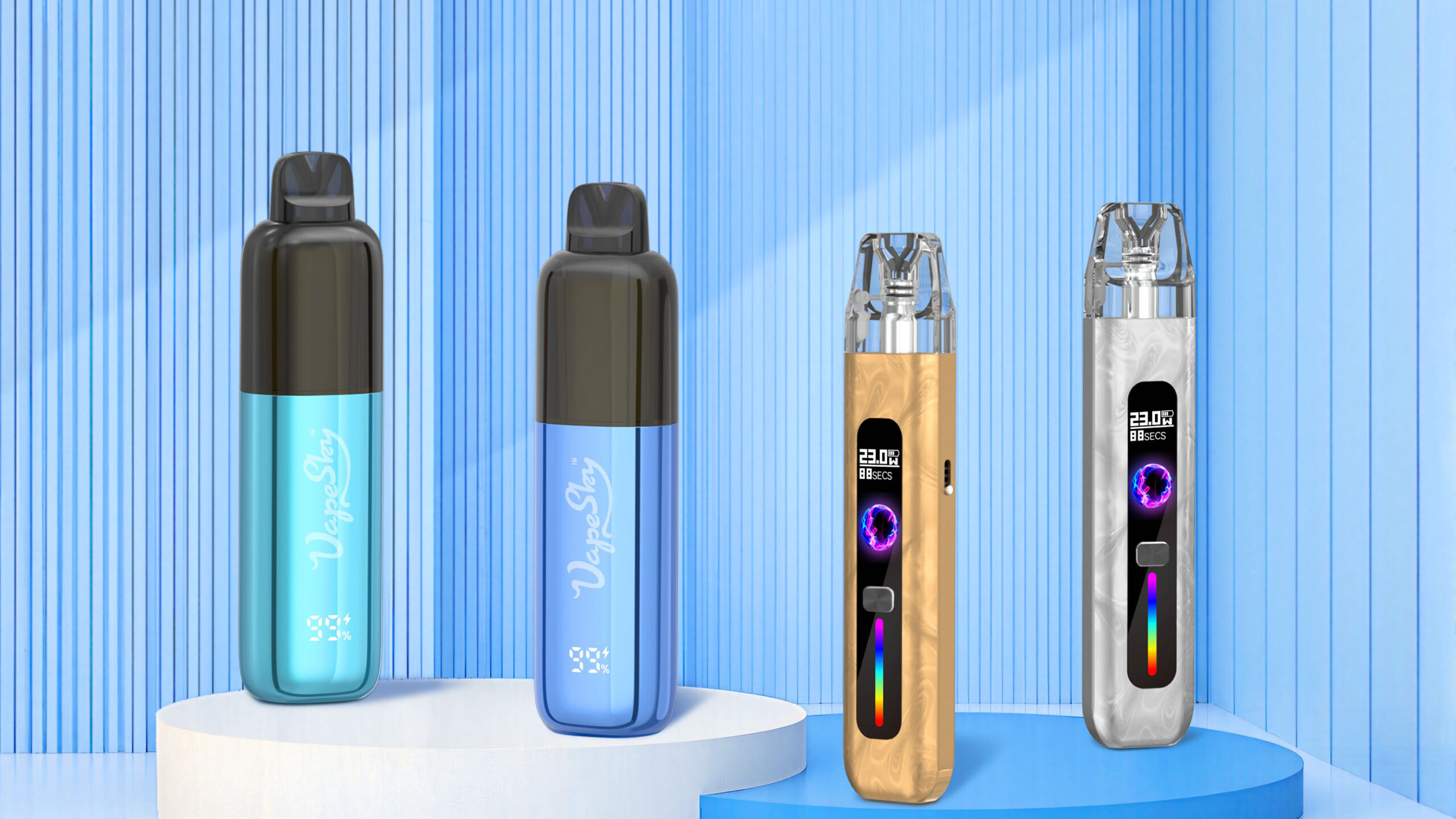
Specifically, our hardware offering forms the backbone of this solution, covering core products like Disposable Vape and Refillable Pod Kit, while balancing durability, performance, and alignment with your brand vision. We don’t just source generic devices—instead, we collaborate closely with you to refine hardware specifications (such as 50000 puffs, 950mAh battery for Disposable Vape) to match market demand. Additionally, each unit undergoes rigorous testing (including functionality checks and global industry standard compliance) to ensure reliability and consistency. By integrating hardware into our One-Stop Solution, we eliminate the need to coordinate with separate manufacturers, effectively cutting miscommunications and reducing mismatched component risks.

Customized Vapor Hardware & Production Line

🍃 E-Liquid: Customized Quality, Synced with Hardware

Moving to e-liquid—the heart of any vapor product—we develop it with equal focus on quality and customization. Our chemists work closely with you to craft e-liquid flavors tailored to your target market (like fruity, minty, or tobacco blends), all while adhering to strict safety protocols: using food-grade ingredients, avoiding harmful additives, and conducting thorough lab testing for purity. Whether you need classic profiles or innovative blends, we can scale production to match your demand, from small-batch trials to large-volume orders. Moreover, what sets this apart is its sync with our hardware: we test every e-liquid formula with our devices to prevent issues like leakage or uneven vapor production—problems that often arise with third-party pairings.

📦 Packaging: A Strategic Asset in Integrated Service

Equally important is packaging, which—though often an afterthought in fragmented supply chains—becomes a strategic brand asset in our One-Stop Solution. We know packaging does more than just protect your product: it tells your brand story, meets regulatory labeling rules (like TPD, FDA compliance), and boosts shelf appeal. Our design team collaborates with you to create brand-aligned packaging (with custom logos, color schemes, or eco-friendly materials), while our production team ensures it’s durable enough for transit and optimized for cost-efficiency. Furthermore, we align packaging timelines with hardware and e-liquid production, so all components are ready together—no more waiting for packaging while products sit idle, or rushing to adjust labels for last-minute e-liquid changes.

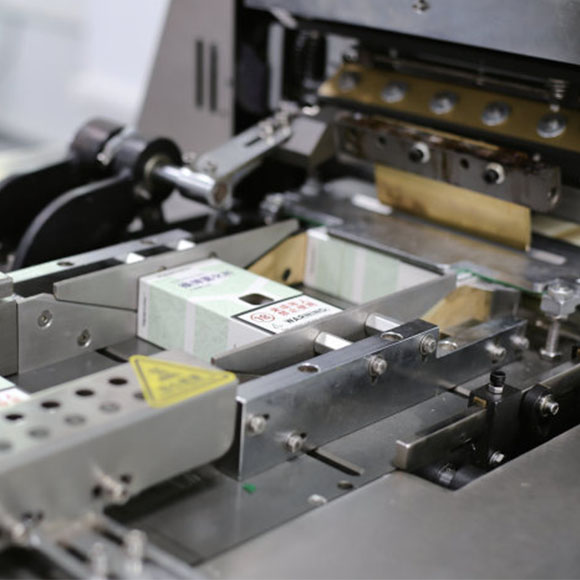
Branded Vapor Product Packaging & Final Assembly

⚡ Efficiency & Compliance: Backed by Professional Standards

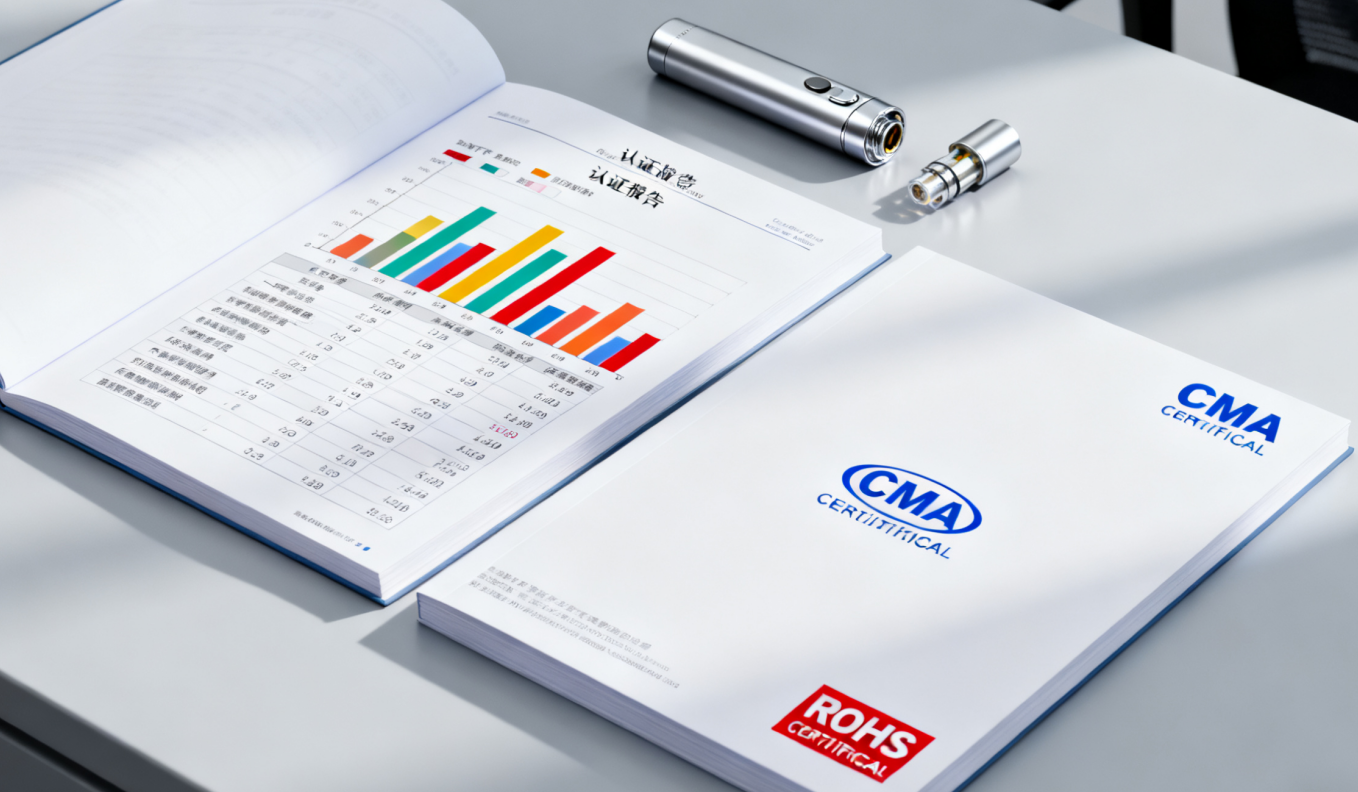
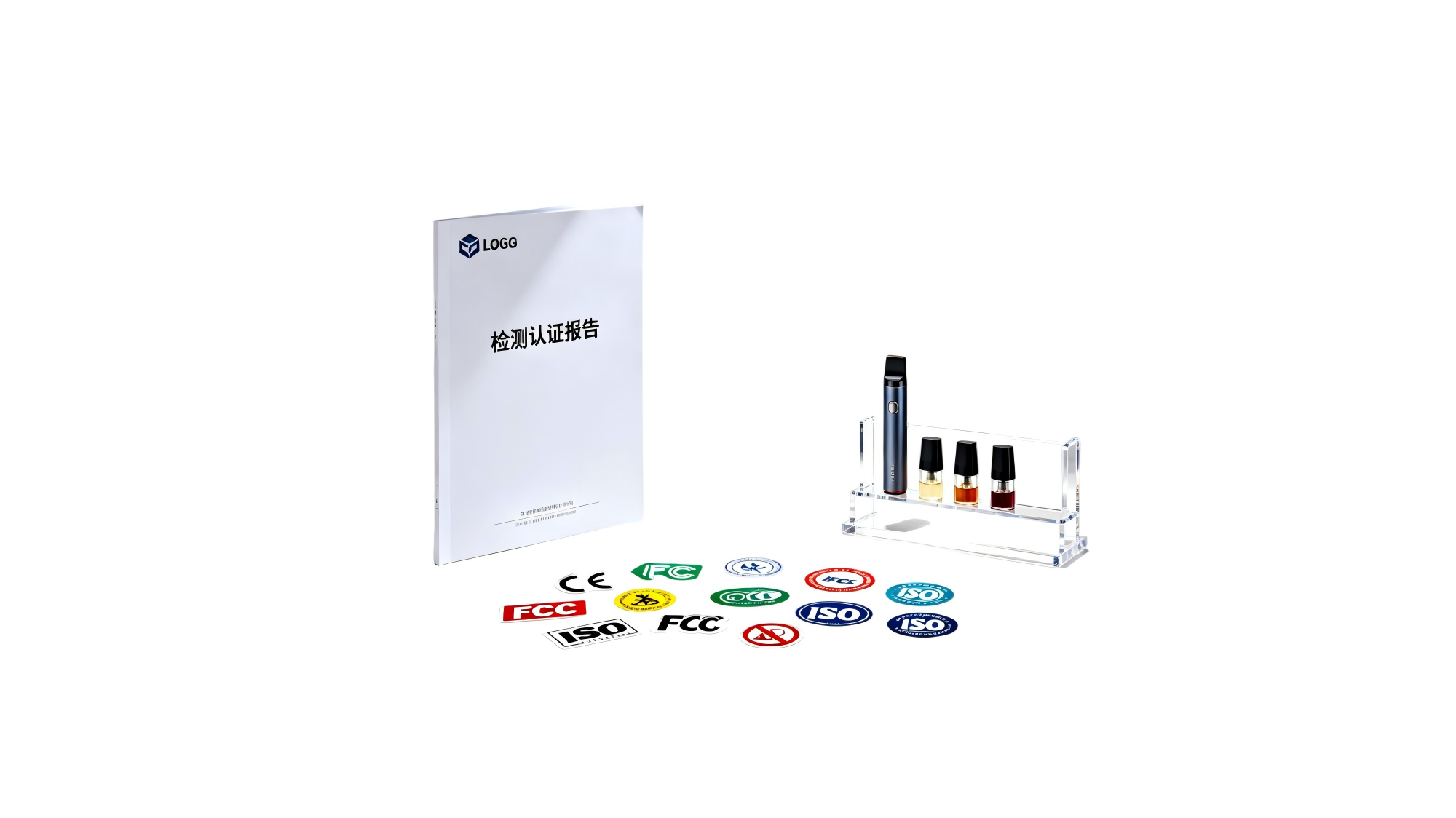
Beyond product quality, our One-Stop Solution is reinforced by industry authority—we hold multiple intellectual property rights and have passed the GMP management standard certification, while adhering to the ISO9001 quality management system. This compliance ensures every component (hardware, e-liquid, packaging) meets global safety and quality benchmarks. For you, this means no extra effort in verifying supplier qualifications—we handle it all. Additionally, instead of managing three or more vendor relationships, you only work with one single point of contact, streamlining project updates and issue resolution.

💰 Cost Savings: Scaling Value Through Consolidation

Alongside efficiency, cost savings further strengthen the case for our One-Stop Solution. By consolidating hardware, e-liquid, and packaging services, we leverage economies of scale to lower per-unit costs for each component. You also stand to cut indirect expenses: fewer hours spent on vendor coordination, reduced shipping costs (thanks to combined component deliveries), and less waste from mismatched or delayed parts. Over time, these savings add up, letting you reinvest in key areas like marketing, product innovation, or customer base expansion.

🤝 Beyond Products: Partnering for Competitive Edge

Ultimately, our solution is more than just product delivery—it’s about partnering with you to remove success barriers. We’ve served overseas customers since 2020, building long-term partnerships in the Arab region, Southeast Asia, Europe, and America with meticulous service and stable delivery. By integrating hardware, e-liquid, and packaging services, we turn a complex, fragmented process into a smooth, reliable workflow—one that ensures consistency, speeds up time-to-market, and keeps costs in check. For businesses looking to simplify operations without compromising quality, this isn’t just a solution—it’s a competitive advantage.

Compliance support: How do we assist our clients in preparing technical documents to meet market access requirements (such as EU TPD, UKCA)?

In global trade, meeting regional market access rules is critical—especially for tobacco, medical devices, and consumer goods. Technical document compliance is a key gateway: flawed documents cause delays or bans. For EU TPD and UKCA, our Compliance support guides clients through document prep, turning complex rules into actionable results.

EU TPD and UKCA Regulatory Framework Overview

★ 1. Map Regulatory Nuances to Client Needs

EU TPD and UKCA have unique requirements. We clarify differences based on clients’ products and target markets:

  • 🔍 EU TPD: Requires product composition, health warnings, emissions data, and Module 3/6 docs for tobacco.
  • 🔍 UKCA: Needs UK-specific assessments, English docs, and adapted standards—no conflation with old CE marking.

We run a regulatory gap assessment to spot document shortfalls. Our Compliance support team prioritizes updates—e.g., focusing on e-cigarette TPD battery safety gaps first.

★ 2. End-to-End Document Preparation

Technical document prep needs valid data and regulatory alignment. Our support follows four steps:

Technical Document Preparation Workflow for EU TPD and UKCA

✓ Step 1: Data Validation & Completion

  • ✅ Verify test data from accredited labs (e.g., TPD emissions, UKCA electrical safety).
  • ✅ Fill missing data—e.g., connect clients to testers for TPD additive safety profiles.

✓ Step 2: Structured Document Drafting

  • 📋 EU TPD: Draft PIF, Risk Assessment, Post-Market Plans.
  • 📋 UKCA: Draft DoC, Technical File, Approved Body Reports.

We never omit key DoC details (e.g., UK responsible person)—per our rigorous Compliance support standards.

✓ Step 3: Review & Step 4: Submission

Our 5+ year experts do line-by-line reviews (aligned with Compliance support promises) and coordinate pre-validation. We guide submission via EU/UK portals and draft regulator responses.

★ 3. Long-Term Compliance

Regulations evolve (e.g., 2025 TPD flavor rules). Our Compliance support continues post-approval:

  • 🔄 Tailored regulatory updates.
  • 🔄 Document revisions for new rules.
  • 🔄 Training to build in-house compliance skills.

📊 Conclusion: Compliance as a Strategic Advantage

TPD/UKCA document prep is more than obligation—it speeds market entry. Our model combines expertise, end-to-end support, and partnership, letting clients focus on innovation and growth.

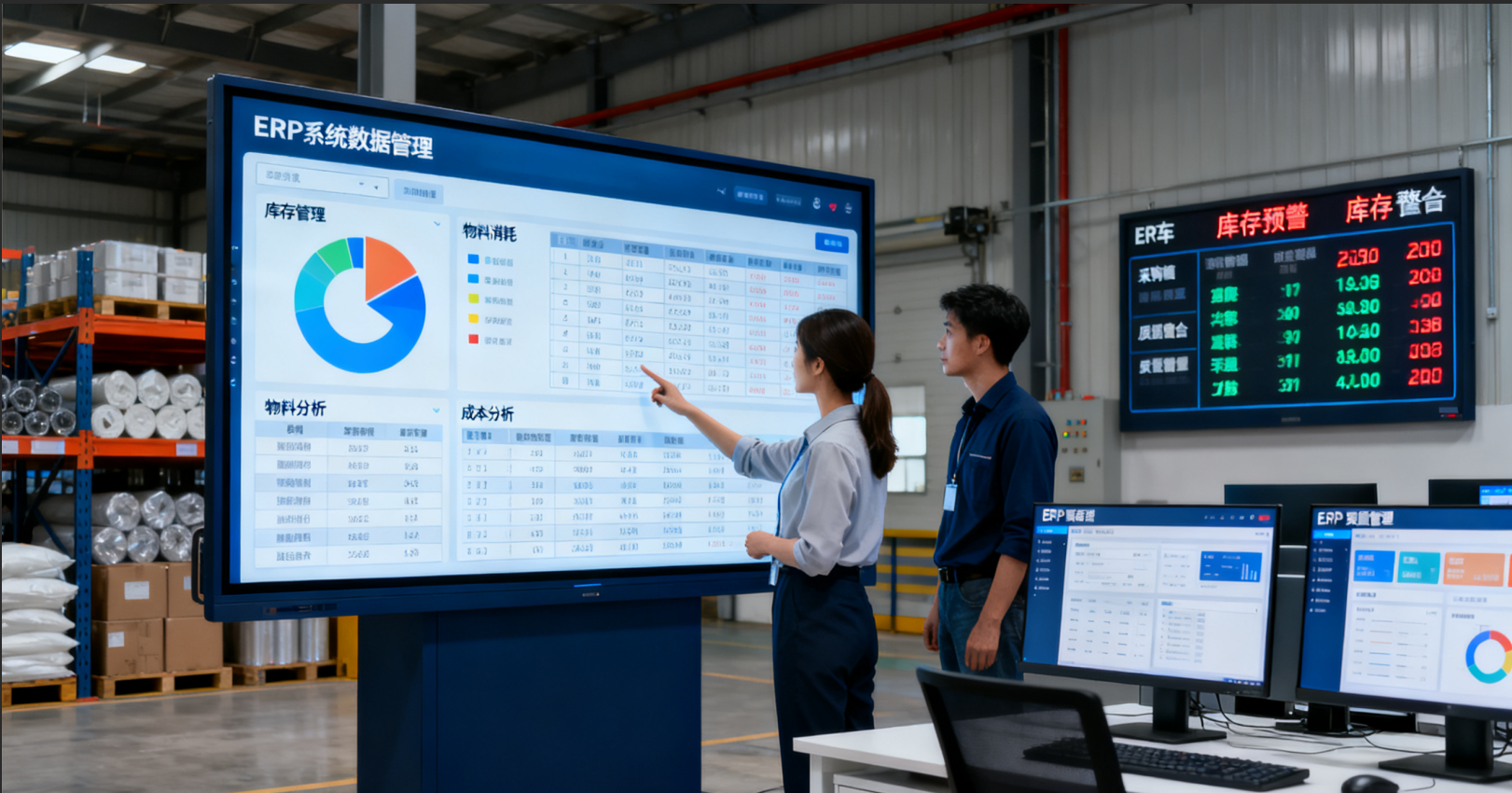
ERP weaves transparency into collaboration—share real-time key info, streamline workflows, and make cooperation smoother for mutual success

E-Cigarette Factory ERP Transparency & Compliance

In the fast-paced e-cigarette industry, market demands shift rapidly and regulatory compliance is non-negotiable. Customer trust here hinges not only on product quality but also on visibility into the entire order lifecycle—and proof of adherence to strict industry regulations.

For e-cigarette manufacturers, delays in production, ambiguous material sourcing, or gaps in compliance documentation can lead to lost business opportunities, regulatory fines, and irreparably damaged partnerships. To address these pain points, our factory has implemented a compliance-centric Enterprise Resource Planning (ERP) system.

This system transforms “black-box” production into a transparent, collaborative process while embedding regulatory requirements into every step. The integration of technology not only enhances customer satisfaction but also mitigates compliance risks, creating a win-win ecosystem.

ERP System Portal showing real-time e-cigarette order progress

The Unique Challenges of E-Cigarette Production: Compliance as a Cornerstone

E-cigarette manufacturing is defined by two overlapping imperatives: complex production workflows and rigorous regulatory oversight. Unlike standard consumer goods, e-cigarettes are governed by region-specific rules.

  • U.S. Market: The FDA’s PMTA requires detailed product safety data, including raw material origins and lab test results for every batch.
  • EU Market: The TPD mandates nicotine limits (≤20mg/mL), child-resistant packaging, and traceability codes.
  • Chinese Market: GB 41700-2022 sets strict standards for e-liquid hygiene, battery safety, and labeling.

Historically, customers struggled to verify compliance—vague updates like “Your order meets regulations” provided no actionable evidence. Our factory recognized transparency and compliance are inseparable: the ERP system turns compliance into a real-time, trackable process.

How the ERP System Embeds Compliance into Real-Time Tracking

Our cloud-based ERP platform maps every production step to regulatory requirements. For customers, compliance is visible in every portal update. Below are key features:

1. Raw Material Compliance: Traceability from Supplier to Shelf

Regulators prioritize ingredient transparency for high-risk components (nicotine, batteries). The ERP creates a digital audit trail, letting customers:

  • View supplier credentials (ISO 9001, GMP) with expiration alerts (e.g., “Supplier X’s TPD cert expires in 60 days”).
  • Track batch data (e.g., “Batch #N2305: 99.8% pure nicotine, stored 15-25°C, compliant with PMTA 21 CFR 1140”).
  • Flag restricted substances (diacetyl, non-UN batteries) and block non-compliant orders.

Customers submitting PMTA/TPD apps can export a pre-built “Material Compliance Report” in minutes—no manual data compiling.

2. Production Process Compliance: Real-Time Adherence

IoT sensors and production software monitor compliance in real time. Updates include:

  • Nicotine dosing: Sensors track concentration (e.g., “Batch #E450: 18mg/mL, within TPD limits”) and log corrections.
  • CRP verification: Records when child-resistant caps are applied (tested per ASTM D3475) with video evidence.
  • Hygiene logs: Tracks cleaning schedules (e.g., “Mixing room sanitized twice daily per GB 41700-2022”).

Example: A UK customer used the portal to prove 100% CRP compliance to MHRA, avoiding a market recall.

3. Quality Control: Compliance-Driven Testing

QC aligns with regulatory standards. Customers can:

  • Filter results by regulation (e.g., “View PMTA battery tests”).
  • Compare results to limits (e.g., “Pod leakage: 0.01mL/24h ≤ TPD’s 0.05mL/24h”).
  • Store tamper-proof test docs (lab certs, signatures) for audits.

Failed batches trigger corrective workflows: customers are notified, root causes logged, and re-test results shared post-compliance.

4. Compliance Documentation: One-Click Access

The ERP’s Compliance Document Hub centralizes paperwork:

  • Pre-filled forms (PMTA Section 8, TPD Article 15) with auto-populated order data.
  • Single-PDF batch records (material receipts, QC results) for regulator submission.
  • Audit trails for document access (e.g., “Customer X viewed Batch #B789’s PMTA report”) to meet FDA 21 CFR Part 11.
E-cigarette production line with ERP IoT sensors

Case Study: ERP Compliance Saved a Customer from PMTA Rejection

A U.S. e-cig brand used our ERP to launch a new pod system (needing PMTA approval):

  1. Verified e-liquid ingredients from FDA-registered suppliers (batch purity reports in the Document Hub).
  2. Caught a minor nicotine deviation (19.5mg/mL vs. 20mg/mL) via real-time dosing data, approving a quick fix.
  3. Exported a 120-page PMTA batch record in 10 minutes (vs. 10+ hours manually).
  4. Shared CRP test videos with FDA in hours, avoiding PMTA delays.

The brand’s regulatory manager: “Without ERP tracking, we’d have missed the nicotine issue and faced rejection. Now we prove compliance at every step—cutting our timeline by 30%.”

Fostering Collaboration: Compliance as a Shared Goal

The ERP turns compliance into a partnership. Examples:

  • Regulatory updates: Alerts for new rules (e.g., 2024 TPD labeling) with change checklists.
  • Pre-audit support: Our team uses ERP data to help customers prepare (e.g., “Batch #C123 is 100% compliant with X rule”).

Conclusion

In e-cig manufacturing, transparency without compliance is incomplete. Our ERP embeds regulations into every order step, giving customers visibility to verify and defend compliance.

Future enhancements: AI-powered compliance alerts (e.g., “New UK labeling rules impact your next order”) and integration with regulatory databases (FDA’s URLS) for auto-submission.

Ultimately, we aim to make compliance as transparent as order tracking—so customers focus on innovating, not navigating red tape.

Our Quality System: A Detailed Explanation of How ISO-Certified Factories Implement Each Quality Control Process

In today’s global manufacturing landscape, ISO certification—particularly ISO 9001:2015—serves as a gold standard for quality management. ISO-certified factories do not just “meet” quality benchmarks; they embed structured, repeatable quality control (QC) processes into every stage of production. This article breaks down each core QC process, explaining how factories translate ISO requirements into actionable, day-to-day practices that ensure consistency, compliance, and customer satisfaction.

1. Documented Quality Management System (QMS): The Foundation of ISO Compliance

ISO 9001 mandates a fully documented QMS, and certified factories begin by formalizing three tiers of documents to eliminate ambiguity:

  • Quality Manual: A top-level document outlining the factory’s quality policy, objectives, and organizational structure for QC. It aligns with ISO 9001 clauses (e.g., customer focus, leadership, improvement) and is approved by senior management.
  • Procedure Documents: Step-by-step guides for critical processes (e.g., “Incoming Material Inspection” or “Non-Conforming Product Handling”). These are accessible to all relevant staff and include roles (e.g., QC inspectors, production supervisors) and timelines.
  • Work Instructions (WIs) & Records: Granular details for frontline teams—such as “Calibrating a Torque Wrench” or “Sampling Rates for Plastic Parts”—paired with mandatory record-keeping (e.g., inspection checklists, calibration logs). Records are stored digitally (via ERP systems) for 3–5 years to enable audits.

2. Incoming Material Inspection (IQC): Stopping Defects at the Source

QC inspector verifying raw material dimensions against ISO specifications during incoming inspection

ISO requires factories to verify that raw materials and components meet specifications before production begins. The IQC process follows strict protocols:

  1. Receiving & Labeling: All shipments are labeled with a “Pending Inspection” tag to prevent accidental use. The QC team cross-references the delivery note with purchase orders and material specifications (e.g., material composition, dimensions).
  2. Sampling & Testing: Inspectors use ANSI/ASQ Z1.4 (AQL) standards to select representative samples (e.g., 5% of a 1,000-unit batch for critical components like circuit boards). Tests include visual checks (for scratches), dimensional measurements (via calipers or CMMs), and material validation (e.g., tensile strength for metals).
  3. Dispositioning: Materials pass (tagged “Approved”), are rejected (returned to suppliers with a non-conformance report), or require rework (e.g., cleaning minor surface defects). Suppliers of rejected materials must provide corrective actions to retain their approved status.

3. In-Process Quality Control (IPQC): Monitoring Production in Real Time

IPQC inspector monitoring production line and conducting real-time sample checks per ISO standards

IPQC ensures that production stays within ISO standards by checking processes at key stages, not just the final product. Factories implement:

  • First Article Inspection (FAI): For every new production run or change (e.g., new tooling), the first unit is fully inspected against drawings. If it passes, production proceeds; if not, root causes (e.g., misaligned molds) are fixed immediately.
  • Periodic Patrol Checks: QC inspectors visit production lines every 1–2 hours to sample units. For example, in electronics assembly, they may test solder joints for conductivity or check assembly alignment with fixtures. Data is logged in real time to track process stability (using tools like control charts for SPC).
  • Operator Training & Self-Checks: All workers complete ISO 9001 training on QC expectations. They perform self-checks (e.g., a machinist measuring a part’s diameter) and flag anomalies using color-coded tags (red for defects, yellow for uncertainty).

4. Final Product Inspection (FPI) & Testing: Ensuring Customer-Ready Output

Before products leave the factory, FPI validates that they meet all customer and regulatory requirements:

  • Full vs. Sampling Inspection: Critical products (e.g., medical devices) undergo 100% inspection, while non-critical items (e.g., plastic packaging) use AQL sampling. Tests include functional checks (e.g., a laptop’s battery life), performance testing (e.g., a pump’s flow rate), and compliance checks (e.g., CE marking for EU sales).
  • Packaging & Labeling Verification: Inspectors confirm packaging protects products (e.g., shock absorption for electronics) and labels include required information (e.g., batch numbers, expiry dates for food-grade items)—a key ISO requirement for traceability.
  • Certification of Conformance (CoC): Approved batches receive a CoC, a document stating the product meets ISO and customer specs. This is shared with customers to demonstrate compliance.

5. Continuous Improvement: The ISO Cycle of Excellence

ISO 9001 is not a one-time certification—it requires ongoing improvement. Factories use four key mechanisms:

  • Internal Audits: Quarterly audits by trained internal auditors check if QMS processes are followed (e.g., “Are IQC records complete?”). Findings are documented in audit reports, and corrective actions are tracked to closure.
  • Management Reviews: Senior management meets bi-annually to review QC performance (e.g., defect rates, customer complaints) and update quality objectives (e.g., “Reduce FPI rejects by 10% in 2024”).
  • Customer Feedback: Complaints or suggestions are logged in a CRM system and analyzed for trends (e.g., “30% of complaints are about loose screws”). Root cause analysis (RCA) tools like 5-Why are used to fix issues (e.g., “Why loose screws? Torque wrenches were uncalibrated—solution: monthly calibration”).
  • Corrective & Preventive Actions (CAPA): For every non-conformance (e.g., a batch of defective parts), a CAPA plan is created: “Correct” (rework/reject the batch) and “Prevent” (e.g., add a second torque check in IPQC). CAPA effectiveness is verified after 1–2 months to ensure issues do not recur.

Conclusion

ISO-certified factories’ quality systems are defined by structure, accountability, and continuous improvement. From documenting every process to inspecting materials, monitoring production, and learning from feedback, each QC step is designed to minimize risk, meet standards, and deliver value to customers. This rigor is not just about maintaining certification—it is about building trust in a competitive global market. For factories, ISO compliance is not a destination but a journey of refining quality at every turn.

Published for ISO 9001 Compliance & Manufacturing Best Practices