Tag Archives: Substitute cigarettes

No vapor from the e-cigarette in winter? The reason might be this.

HF005-intro-1

Step outdoors into crisp, frosty winter air. Take a deliberate draw from your electronic cigarette. You may encounter a faint, wispy vapor cloud that dissipates immediately. This frustration is common—even with a fully charged battery, new coil, and refilled tank. Before dismissing the device as defective, recognize the root cause: winter’s ambient conditions. Low temperatures and reduced humidity impact three key vaping components. Understanding these factors is essential to resolving the issue.
Electronic cigarette emitting minimal vapor in cold winter environments

Cold Air: A Primary Inhibitor of Vapor Formation

Let’s clarify a common misconception. E-cigarette “vapor” is not true water vapor. It is an aerosol—microscopic droplets of Vegetable Glycerin (VG), Propylene Glycol (PG), and flavorings suspended in air. This aerosol’s stability depends on temperature and humidity. Cold air is denser than warm air. It also holds far less moisture, limiting its ability to sustain suspended droplets.

Exhale warm, saturated aerosol into cold winter air. Instant condensation occurs. Microscopic droplets clump into larger, denser particles. These particles fall downward instead of forming a dense cloud. The process mirrors visible breath in cold conditions. It is more pronounced with vape aerosols, as users expect a robust, sustained cloud.

E-Liquid Viscosity: Critical for Wick Performance

Low temperatures impact more than exhaled vapor. They compromise the e-liquid inside your device. VG is the primary ingredient in high-vapor e-liquids. It is inherently viscous. As temperatures drop, its viscosity rises sharply. It transforms from a free-flowing liquid to a syrup-like substance with limited mobility.

Elevated viscosity challenges the atomizer’s wicking material. This material is engineered to carry e-liquid from the reservoir to the heating coil. Excessively viscous liquid cannot wick fast enough. It fails to match the coil’s heat output. The result is a “dry hit”—a burnt flavor with minimal vapor. Many users blame faulty coils. Often, it is cold-induced viscosity in the e-liquid.

Battery Degradation: Cold Weather’s Hidden Impact

Lithium-ion batteries power most modern e-cigarettes. They are inherently sensitive to low temperatures. Reduced temperatures slow internal electrochemical reactions. This leads to diminished capacity and poor discharge efficiency. Users may notice faster battery drain. They may also experience inconsistent power delivery.

Insufficient power prevents the coil from reaching optimal temperature. Efficient e-liquid vaporization requires this heat. Even with a saturated wick, a weak battery produces poor vapor. The effect is worse for high-wattage devices. These rely on consistent, high-current discharge for large clouds.
Technical infographic outlining winter electronic cigarette optimization strategies

5 Evidence-Based Winter Vaping Strategies

  • Maintain Device Temperature: Store your e-cig in an inner coat pocket. Use body heat to keep it warm. Avoid cold vehicles or outer pockets.
  • Adjust E-Liquid Blend: Switch from 70%+ VG to a 50/50 VG/PG mix in winter. PG is thinner and wicks better in cold.
  • Prime the Coil: After cold exposure, take 2-3 short, fire-free draws. This saturates the wick via capillary action.
  • Optimize Power Settings: Reduce wattage by 10-15 watts. Lower heat gives liquid more time to wick, preventing dry hits.
  • Protect Spare Batteries: Store external batteries in a warm, protective case. Cold batteries perform poorly when deployed.

Winter vaping doesn’t need compromised performance. Weak vapor in cold conditions is not device malfunction—it’s environmental response. Keep your device warm. Adjust e-liquid composition. Care for your battery. These steps match the vapor quality of warmer seasons. You’ll enjoy consistent, high-quality vaping even in frigid winter weather.
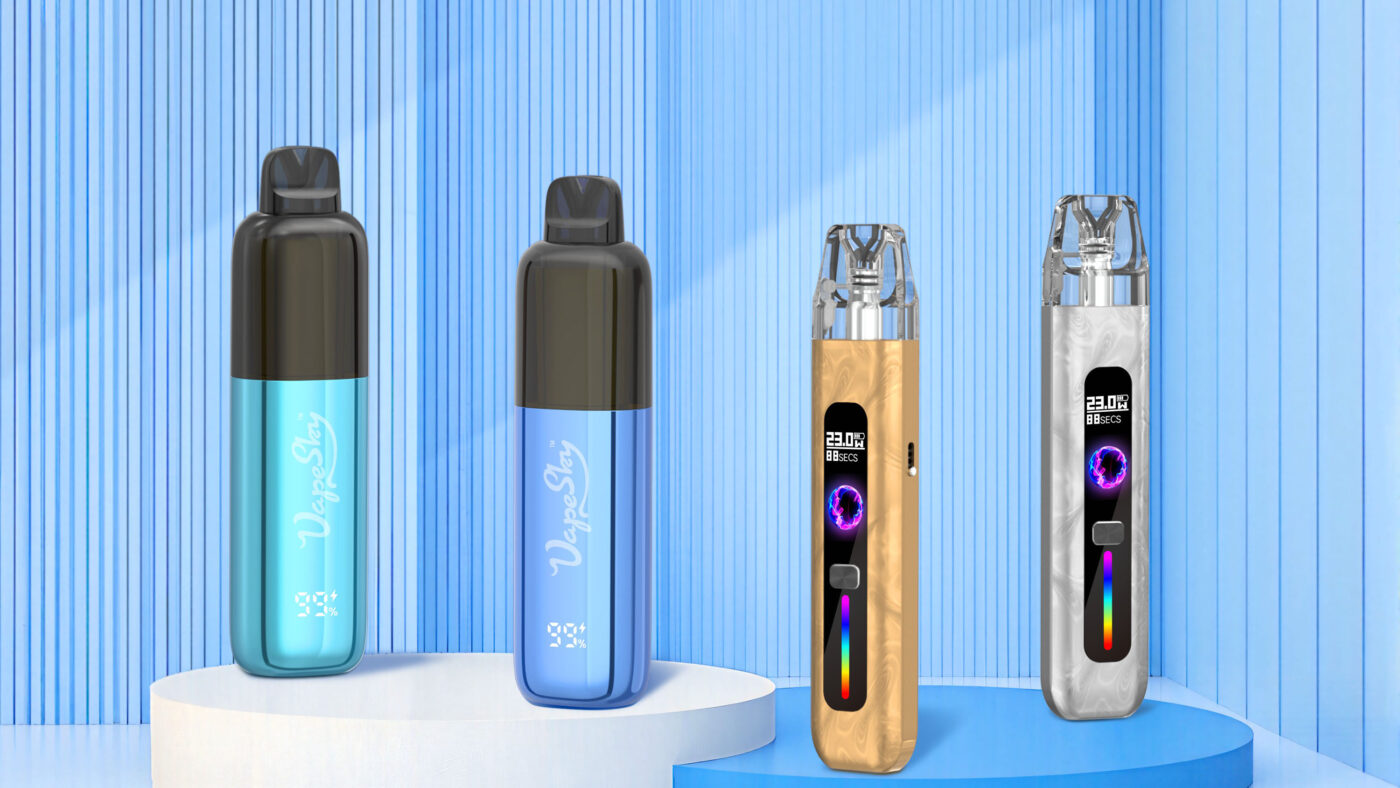
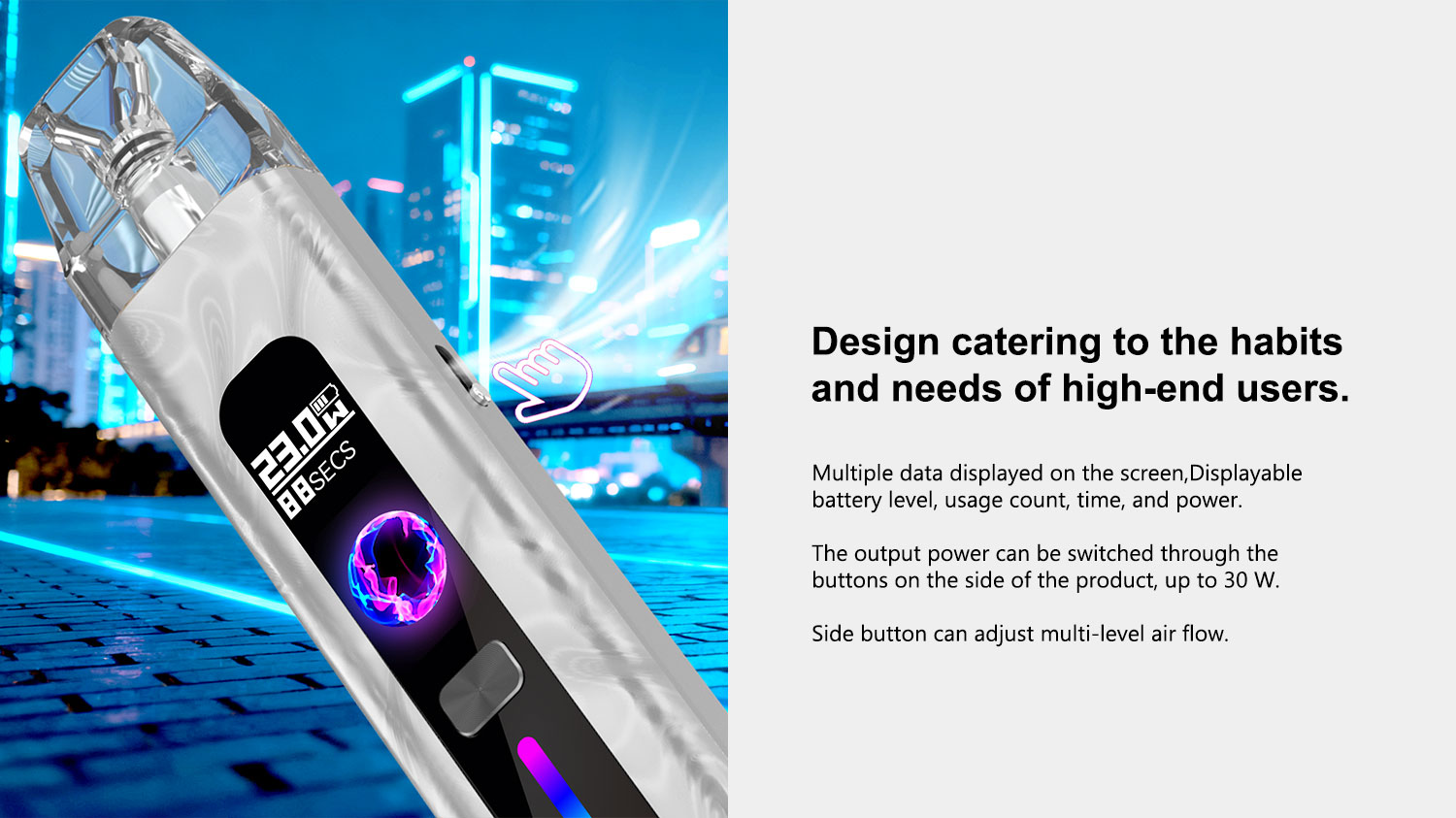
Vape Spitting Back? Here Are 3 Quick Fixes!

Refillable Pod Kit 3

That sudden, hot sting of e-liquid on your tongue is unmistakable – you’ve experienced spitback. This common vaping annoyance occurs when your device ejects tiny droplets of e-liquid through the mouthpiece rather than producing a smooth, vaporized cloud. While frustrating, understanding why it happens is the first step toward solving the problem.

Before you consider retiring your device, rest assured that spitback is typically easy to fix. The issue usually stems from simple factors like coil oversaturation, incorrect power settings, or improper inhalation technique. The good news? You don’t need to be a vaping expert to resolve it.

This guide will walk you through three quick, effective solutions to eliminate spitback and restore your vaping experience to the smooth, flavorful satisfaction you deserve.

Vape spitback diagram

Spitback occurs when excess e-liquid enters the coil chamber and gets ejected through the mouthpiece

1. Flick It & Blow: The Quick Cleanse

This immediate solution works wonders for spitback caused by excess e-liquid accumulation in your coil or chimney, particularly if your device has been sitting unused.

  • Disconnect your tank from the battery mod if you’re using a separate device
  • Flick firmly downward with the mouthpiece facing toward a sink or paper towel – centrifugal force will expel the excess liquid
  • Blow gently through the mouthpiece with a paper towel covering the airflow vents to clear remaining liquid from the chimney

After reassembling, take a test fire without inhaling. You should notice significantly reduced or completely eliminated spitting.

Adjusting vape wattage

Adjusting wattage and airflow settings can significantly reduce spitback issues

2. Optimize Your Wattage & Airflow Settings

Spitback often signals improper power or airflow configuration. Insufficient wattage boils rather than vaporizes e-liquid, while restricted airflow creates excessive suction that floods the coil.

  • Increase wattage gradually – Check your coil’s recommended range and increase power in 5-watt increments for more efficient vaporization
  • Open airflow control – Allow more air to mix with vapor, reducing vacuum pressure that pulls excess liquid into the coil

Finding the sweet spot between power and airflow is crucial for achieving spit-free, flavorful vapor production.

3. Evaluate Your E-Liquid and Coil Condition

Sometimes the culprit lies in your e-liquid composition or hardware condition, requiring more fundamental adjustments.

  • Choose the right VG/PG ratio – Thin, high-PG liquids (50% PG or higher) easily flood sub-ohm coils. Opt for higher VG blends (70% VG or more) for modern devices
  • Replace aging coils – Worn coils lose integrity and flood easily. If other fixes fail, install a new coil and avoid over-priming

Remember that proper coil priming means moistening the cotton, not saturating it to the point of dripping.

Quick Recap: Tackle vape spitback systematically: begin with the quick flick-and-blow method to remove excess liquid. If problems persist, adjust your wattage and airflow settings for optimal vaporization. Finally, assess whether you need to switch to thicker e-liquid or replace your coil. Following these straightforward steps will eliminate that unpleasant e-liquid spray and return you to satisfying, smooth vaping.

HNB vs. E-Atomization: Better Smoking Alternative?

HF005-intro-5

Traditional cigarette smoking has long been linked to severe health risks, from lung cancer to cardiovascular diseases, prompting the search for less harmful alternatives. In recent years, two technologies have emerged as leading contenders: Heat-Not-Burn (HNB) devices and electronic atomization (E-atomization) systems, commonly known as vapes. Both claim to reduce exposure to toxic substances compared to conventional cigarettes, but they differ significantly in design, functionality, and potential impacts. This analysis breaks down their key differences to help users make informed choices, focusing on health effects, user experience, and regulatory landscapes.

1. Core Mechanisms: Heat vs. Atomization

The fundamental distinction between HNB and E-atomization lies in how they deliver nicotine and flavor.

  • HNB Devices: These devices heat tobacco sticks or pods to temperatures between 300–350°C, just below the combustion point (which starts at ~600°C for cigarettes). This process releases nicotine, tobacco-derived flavors, and aerosols without burning the tobacco, reducing the production of tar and harmful combustion byproducts like benzene.
  • E-Atomization Systems: Vapes use a battery-powered heating coil to vaporize a liquid (often called “e-juice” or “vape juice”) containing nicotine, propylene glycol (PG), vegetable glycerin (VG), and food-grade flavors. The coil heats the liquid to 150–250°C, creating an aerosol (vapor) that users inhale. Unlike HNB, E-atomization does not involve tobacco at all.

2. Health Considerations: A Balanced View

Both alternatives are generally considered less harmful than traditional cigarettes, but they are not risk-free. Research highlights key differences in their health profiles:

  • HNB Risks: While HNB avoids tar, it still releases nicotine (a highly addictive substance) and small amounts of tobacco-specific nitrosamines (TSNAs)—carcinogens naturally present in tobacco. Studies by the World Health Organization (WHO) note that HNB aerosols also contain formaldehyde and acrolein, though at lower levels than cigarettes.
  • E-Atomization Risks: E-juice typically lacks tobacco-specific toxins, but concerns persist around coil materials (some release heavy metals like lead or nickel when heated) and certain flavoring chemicals (e.g., diacetyl, which can cause lung damage). Nicotine levels in e-juice vary widely, and accidental ingestion (especially by children) poses a poisoning risk.

3. User Experience: Convenience and Preference

Practical factors often influence user choice, and HNB and E-atomization cater to different preferences:

HNB Advantages:

  • Mimics the “smoking ritual” more closely (e.g., holding a tobacco stick, feeling heat), which appeals to long-term smokers.
  • Requires minimal maintenance—no need to refill e-juice; users simply replace tobacco pods.

E-Atomization Advantages:

  • Offers a wide range of flavors (e.g., mint, fruit, dessert), making it popular among younger users or those seeking variety.
  • Produces less odor (vapor dissipates quickly) and is often allowed in more public spaces than HNB or cigarettes.

4. Regulatory Landscape: Global Variations

Government regulations shape access to both products, with significant regional differences:

  • HNB: Banned in the European Union (EU) under the Tobacco Products Directive (TPD) due to health concerns, but legal in countries like Japan, South Korea, and the United States (with FDA authorization for specific products).
  • E-Atomization: Regulated more leniently in many regions, but the EU restricts nicotine levels in e-juice (max 20mg/mL). Some countries (e.g., India, Brazil) have banned vapes outright, while others (e.g., the U.S.) require FDA approval for new products.

Conclusion: No “One-Size-Fits-All” Answer

Neither HNB nor E-atomization is a “safe” alternative to smoking, but both reduce exposure to the most harmful components of traditional cigarettes. The better choice depends on individual priorities: HNB may suit smokers seeking a familiar tobacco experience, while E-atomization appeals to those wanting flavor variety and less odor. Ultimately, the goal for public health remains reducing nicotine addiction entirely—but for current smokers, these alternatives may offer a stepping stone toward harm reduction. As research and regulations evolve, users should stay informed to make choices aligned with their health goals.

The “Iron Triangle” of E-cigarettes: An In-depth Analysis of the Synergistic Secrets of Atomizers, E-liquids, and Main Units

HF006-intro-1

The vaping landscape features technical complexity and a wide range of devices. However, every electronic cigarette’s operational core relies on three fundamental components working in intricate harmony. Known as the “Iron Triangle” of vaping, the Atomizer, E-liquid, and Main Unit form a tightly interdependent system. Each component’s performance directly shapes the whole device’s functionality and output. To optimize your vaping experience, you must first understand this synergy.

Figure 1: The core components of the vaping “Iron Triangle”

The Power and Control Center: The Main Unit

The Main Unit (or mod) acts as the system’s power source and primary regulator. It is more than a simple battery; it functions as a central processing unit that governs performance through two key functions: power delivery and user control.

  • Power Output (Wattage/Voltage): This parameter controls the energy sent to the atomizer coil. Lower settings produce cooler vapor and milder flavor. Higher settings, by contrast, create denser vapor, richer flavors, and a warmer sensation.
  • Temperature Control (TC): This advanced mode lets you set a precise maximum temperature for the coil. It prevents dry hits (burning the wick without e-liquid), boosts e-liquid efficiency, and ensures consistent vapor quality throughout use.

Synergy here is critical: high-performance, low-resistance coils need a capable, high-drain battery to work properly. On the other hand, high-resistance coils may underperform or get damaged if paired with a main unit set to excessive power. The main unit thus provides the exact operational parameters the atomizer needs to follow.

The Vaporization Engine: The Atomizer

The atomizer serves as the engine that transforms liquid into vapor. Its core functionality depends on two sub-components: the heating coil and the wicking material.

  • The Coil: Manufacturers wind resistance wire (such as Kanthal, Nichrome, or stainless steel) into specific configurations. When electrical current from the main unit passes through the coil, it heats up rapidly via resistance.
  • The Wick: Usually made of organic cotton or specialized fibers, the wick draws e-liquid from the reservoir via capillary action. It then saturates the coil surface for even vaporization.

The atomizer coil’s electrical resistance (measured in ohms, Ω) is a key factor in system synergy. Sub-ohm coils (below 1.0 ohm) are designed for high-power use and heavy vapor production. They require a compatible high-output main unit and high-VG e-liquid. Conversely, higher-resistance coils work best with lower power settings and restricted airflow. They are often paired with nicotine salt e-liquids.

The Consumable Medium: The E-Liquid

E-liquid is the consumable that delivers flavor, nicotine, and the physical base for vapor. Its chemical composition—specifically the ratio of Propylene Glycol (PG) to Vegetable Glycerin (VG)—is critical for compatibility and performance.

  • PG (Propylene Glycol): This thinner fluid carries flavor more effectively. It also provides a pronounced “throat hit” that mimics the sensation of smoking.
  • VG (Vegetable Glycerin): This thicker, denser fluid produces voluminous vapor clouds. It also adds a mild, natural sweetness.

Compatibility is essential here. A high-PG e-liquid (e.g., 50% PG / 50% VG) works well with low-wattage, high-resistance devices. It delivers a sharp throat hit and clear flavor. However, its low viscosity can cause leaking and harsh throat sensations if used in a high-power sub-ohm tank. High-VG e-liquids (e.g., 30% PG / 70% VG or Max VG) have higher viscosity. They are engineered for sub-ohm atomizers, reducing leakage and vaporizing efficiently to create dense clouds. Choosing the wrong e-liquid for your hardware is a top cause of poor performance.

Achieving Synergy: The Harmonized System

Figure 2: How the three components work in harmony to produce vapor

The ultimate goal is to calibrate all three components to work together. For example, consider this targeted configuration:

  • Objective: Balanced vapor production with rich flavor and moderate nicotine.
  • Optimized Configuration: A main unit set to 50W, a sub-ohm atomizer with a 0.4-ohm coil, and 70% VG / 30% PG e-liquid with 6mg nicotine.

In this balanced state, each component operates within its ideal parameters, supported by the others. The main unit delivers stable power. The atomizer efficiently vaporizes the well-formulated e-liquid. The e-liquid itself wicks effectively, preventing dry hits while delivering great flavor and sensation.

In summary, viewing an e-cigarette as a single device is a mistake. It is a sophisticated, synergistic system: the Main Unit provides directive power, the Atomizer executes vaporization, and the E-liquid acts as the functional medium. A weakness in any one element will compromise the entire system. By understanding the interdependent relationships in this “Iron Triangle,” you can move from passive use to informed mastery of your vaping experience.

View e-cigarettes rationally: they are neither angels nor devils

HF001-intro-1

In recent years, e-cigarettes have sparked intense debate worldwide, with opinions polarized between two extremes: some hail them as a “safer alternative” to traditional cigarettes, while others condemn them as a “new public health threat.” Yet the truth lies somewhere in between—e-cigarettes are neither angels nor devils, and only rational analysis can guide informed decisions.

E-cigarette and research data

The “Angel” Narrative: Promise and Limitations

Proponents argue e-cigarettes reduce harm by eliminating tar and many toxic combustion byproducts in traditional cigarettes. Studies, such as those by the Royal College of Physicians, suggest they could aid smoking cessation for adults. In regions like the UK, regulated e-cigarettes are even promoted as a harm-reduction tool. However, this “angelic” label is flawed: they still contain nicotine, an addictive substance, and their long-term health impacts remain understudied.

The “Devil” Stereotype: Risks and Realities

Critics highlight alarming trends: youth e-cigarette use has surged globally, with flavors like mango and bubblegum luring non-smokers. The 2019 EVALI outbreak, linked to illicit THC vaping products, raised fears—though it underscored risks of unregulated devices, not all e-cigarettes. Exaggerating them as “devils” ignores their potential role in harm reduction for adults, risking misinformation that pushes smokers back to more harmful traditional cigarettes.

Regulation and public awareness

Rationality in Policy and Perception

Balanced approaches are key. Regulation should restrict youth access, ban untested additives, and mandate clear labeling—without blanket prohibition. Public education must avoid scare tactics, instead explaining: e-cigarettes are not risk-free, but likely less harmful than smoking; non-users, especially teens, should avoid them; adults trying to quit may benefit with guidance.

In the end, e-cigarettes are a complex technological innovation, not moral symbols. Their impact depends on how society regulates, studies, and uses them. By rejecting the “angel vs. devil” binary, we can foster policies and behaviors that minimize harm while respecting evidence—proving rationality, not extremism, is the best guide.

How to carry and store your e-cigarette devices when traveling?

HF005-intro-1

Traveling with e-cigarettes requires careful planning to ensure your devices are safe, functional, and compliant with regulations. Whether you’re flying, driving, or taking public transport, proper carrying and storage can prevent damage, leaks, and legal issues. In this article, we’ll explore best practices for transporting and storing your e-cigarette gear on the go, helping you enjoy a smooth journey without compromising your vaping experience.

Carrying Your E-Cigarette Devices

When carrying e-cigarettes, it’s essential to use a dedicated case to protect them from impact, moisture, and accidental activation. Hard-shell cases are highly recommended for air travel, as they shield devices from pressure changes and physical shocks. Always disassemble your device if possible, separating the battery, tank, and mod to minimize risks. For e-liquids, store them in a clear, sealable plastic bag to comply with airline liquid restrictions—typically, containers must be 100ml or less. If you’re on a road trip, secure your devices in a glove compartment or center console to prevent rolling and damage. Additionally, remember to turn off your e-cigarette before packing it to avoid unintended power drainage or firing. This simple step can save you from potential hazards and ensure your device is ready for use upon arrival.

E-cigarette travel case

Storing E-Cigarettes Safely

Proper storage is key to maintaining the longevity and performance of your e-cigarette devices. Always store them in a cool, dry place away from direct sunlight, as extreme temperatures can degrade batteries and e-liquids. If you’re storing devices for extended periods, such as during a long flight or hotel stay, empty the tank to prevent leaks and clean the components thoroughly. For batteries, use their original packaging or anti-static bags to avoid short circuits, and never store them loose with metal objects like keys or coins. When traveling by air, keep e-cigarettes in your carry-on luggage rather than checked bags, as cargo holds can experience temperature fluctuations that might damage electronics. By following these storage tips, you’ll reduce the risk of malfunctions and extend the life of your gear.

Safety Considerations

Battery safety should be a top priority when traveling with e-cigarettes. Use only manufacturer-approved chargers and avoid overcharging, which can lead to overheating or fires. Carry spare batteries in a protective case to prevent contact with conductive materials, and never expose them to water or high humidity. Be aware of local laws and regulations regarding e-cigarette use and possession, as these vary widely by country and state—some places have strict bans or limitations. In case of e-liquid leaks, keep paper towels or a cloth handy for quick cleanup to avoid stains and skin irritation. Moreover, never leave your devices unattended in a vehicle, especially in hot or cold weather, as temperature extremes can cause battery failures. Staying informed and prepared will help you navigate any safety challenges during your trip.

Safe e-cigarette storage

Additional Travel Tips

To make your e-cigarette travel experience even smoother, consider these extra tips. Always check airline policies before flying—most carriers require e-cigarettes in carry-on bags and prohibit use onboard. Pack spare coils, tanks, and e-liquids within legal limits, and label them clearly for security checks. For short trips, disposable e-cigarettes can be a convenient alternative, reducing the need for charging and maintenance. Keep a copy of your device’s manual or digital instructions for troubleshooting on the go. Lastly, communicate with travel companions about your e-cigarette use to avoid misunderstandings and ensure a respectful environment. By planning ahead, you can focus on enjoying your journey without vaping-related worries.

By following these guidelines, you can enjoy a hassle-free travel experience with your e-cigarette devices. Proper carrying and storage not only protect your investment but also ensure safety and compliance. Happy travels!

E-cigarettes: A Comparison of Regulatory Policies Worldwide

HF005-intro-1

E-cigarettes have rapidly emerged as a popular alternative to traditional tobacco products, sparking global debates on their health impacts and regulatory needs. As countries grapple with balancing public health concerns with harm reduction potential, a diverse patchwork of policies has evolved worldwide. This article compares key regulatory approaches, highlighting variations in restrictions, advertising, and sales across regions. Understanding these differences is crucial for policymakers and consumers alike, as electronic nicotine delivery systems (ENDS) continue to shape smoking cessation trends and youth usage patterns.

E-cigarette device illustration

United States: FDA Oversight and State-Level Variations

In the United States, the Food and Drug Administration (FDA) regulates e-cigarettes as tobacco products under the Family Smoking Prevention and Tobacco Control Act. Key measures include pre-market authorization for new products, bans on sales to minors, and restrictions on flavored cartridges to curb youth appeal. However, state-level policies add complexity; for instance, some states impose additional taxes or flavor bans. The emphasis is on preventing underage use while allowing adult access for harm reduction, though ongoing litigation and research continue to shape regulations.

European Union: The Tobacco Products Directive (TPD)

The European Union adopts a harmonized approach through the TPD (Tobacco Products Directive), which sets baseline rules for all member states. Regulations include limits on nicotine concentration (e.g., 20 mg/mL), child-resistant packaging, and notification requirements for new products. Countries like the United Kingdom have integrated these into national law, while also promoting e-cigarettes as smoking cessation tools in public health campaigns. In contrast, nations such as Hungary enforce stricter advertising bans, reflecting regional disparities in risk perception.

Asia and Oceania: A Spectrum of Strictness

In Asia, policies vary widely. China, a major producer, has minimal regulations but prohibits sales to minors. Conversely, Japan classifies e-cigarettes as medicinal products, requiring approval for nicotine-containing devices. Australia takes a cautious stance, allowing only prescription-based access for nicotine e-cigarettes, emphasizing their role in smoking cessation under medical supervision. This contrasts with New Zealand’s more liberal approach, which encourages switching from combustible tobacco as part of its Smokefree 2025 goal.

Global regulation map for e-cigarettes

Conclusion: Toward Global Harmonization?

The global landscape of e-cigarette regulation reflects a tension between innovation and precaution. While some regions like the EU and US focus on evidence-based public health frameworks, others prioritize outright restrictions. Key challenges include addressing youth uptake, standardizing product safety, and leveraging data on long-term effects. As international bodies like the WHO advocate for tighter controls, future policies may converge toward greater harmonization, ensuring that harm reduction benefits are maximized without compromising societal well-being.

Vaping culture: Are we trapped in the smoke we inhale and exhale?

HF005-intro-1

What began as a promising tool for harm reduction has morphed into a complex global phenomenon. Vaping culture, with its own aesthetics, language, and social codes, is now a dominant force, particularly among younger generations. But as the clouds of vapor settle, a pressing question emerges: Are we trapped in the smoke we inhale and exhale?

A group of young people in an urban setting, with one person vaping

The social fabric of vaping: connection or a shared confinement?

The Allure of the Cloud: Freedom and Identity

The appeal of vaping culture is undeniable. For many, it represents a conscious choice away from traditional tobacco, perceived as a cleaner, more modern alternative. The very act of vaping is steeped in a narrative of freedom—freedom from the smell of smoke, from the stigma of cigarettes, and from the rigid constraints of the past.

Brands like Vapesky have capitalized on this, positioning their sleek devices and innovative flavors not just as products, but as accessories to a contemporary lifestyle. The culture thrives on community; online forums and local vape shops become hubs for enthusiasts to share tips, review new e-liquids, and bond over a shared interest. The vast array of flavors, from crisp mango to decadent dessert, offers a personalized experience, allowing users to curate their own sensory identity. In this light, the vapor cloud is a banner of self-expression.

The Invisible Walls: Dependency and Social Barriers

However, this sense of freedom may be an illusion. The very cloud one creates can become a gilded cage. The most obvious wall is nicotine dependency. Despite the absence of tar and many carcinogens, the highly addictive nature of nicotine remains, often in concentrations that can create a powerful physical and psychological reliance. The convenience of vaping anywhere, often indoors, can lead to constant, all-day use, deepening the dependency.

Socially, what starts as a community can transform into a clique, creating an invisible barrier between those who vape and those who don’t. The shared ritual, the specific jargon, and the culture itself can be exclusionary. Furthermore, the financial commitment to maintaining a vaping habit—constantly purchasing devices, coils, and premium e-liquids from suppliers like Vapesky—creates another form of entrapment. The user becomes locked into a cycle of consumption, funded by their own wallet.

A close-up of a person's face obscured by a dense cloud of vapor

The personal fog: a moment of reflection or a symbol of obscurity?

Navigating the Haze: A Call for Conscious Choice

So, are we trapped? The answer is not a simple yes or no. The culture offers both liberation and limitation. The way forward lies in conscious awareness. For users, it means honestly assessing their relationship with vaping. Is it a tool for harm reduction, a social activity, or a deepening addiction? Recognizing the potential for the “fortress” walls to close in is the first step to ensuring they remain gateways instead.

For the industry, including companies like Vapesky, responsibility is paramount. This means transparent marketing, promoting products to adult smokers seeking alternatives, and investing in research and education. The goal should be to empower user choice, not to foster dependency for profit.

Vaping culture is a double-edged sword. It can be a trend that empowers or a fortress that confines. The smoke we inhale and exhale is more than just water vapor; it’s a symbol of our choices. The ultimate question is whether we control the cloud, or whether we are content to simply be lost within it.

E-Cigarette OEM Cooperation: Sales Director’s Q&A on Most Common Questions

🔧 Q1: What specific services does your e-cigarette OEM program include?

Subheading: OEM Service Scope – From Design to Compliance

A: Our OEM program covers end-to-end solutions. It ranges from concept design to large-scale production.

First, we customize hardware. This includes pod systems, mods, and disposables—all tailored to your brand identity.

Beyond hardware, flexible e-liquid formulation is available. For nicotine, we adjust strengths (0mg–50mg) to meet regional regulations.

For flavor profiles, our team refines options like fruit, mint, or tobacco. Additionally, we optimize PG/VG ratios for local consumer tastes.

Finally, full branding support completes the package. This includes logo printing, compliance-aligned packaging, and regulatory documents for FDA, TPD, and Asian markets.

🎨 Q2: How flexible are you with customization requests? Can we modify existing templates or create entirely new designs?

Subheading: Customization Options – Templates vs. Bespoke Designs

A: Flexibility is a core pillar of our OEM model. We offer two distinct options to fit your needs.

Option 1: Adapt our validated templates. This choice cuts lead time by 30% and reduces upfront R&D costs—ideal for fast market entry.

In contrast, Option 2 supports fully bespoke designs. For this path, our R&D team collaborates closely with your stakeholders.

We deliver 5–10 functional prototypes within 2–3 weeks. These samples allow for iterative testing to perfect your vision.

E-cigarette quality testing laboratory
In-house lab for heavy metal analysis, nicotine verification, and leakage detection

📜 Q3: Regulatory compliance is critical in the e-cigarette industry. How do you ensure products meet regional standards?

Subheading: Compliance Assurance – From Tracking to Validation

A: Compliance is integrated into every operational step. Initially, we prioritize real-time regulatory tracking.

Our dedicated team monitors FDA (U.S.), TPD (EU), and PMTA requirements. They also track regional rules in Asia, the Middle East, and Latin America.

To reinforce compliance at the source, we source all materials from ISO-certified vendors. This includes food-grade PG/VG and pharmaceutical-grade nicotine.

We conduct rigorous in-house tests: heavy metal screening, nicotine accuracy checks, and leakage resistance trials. Furthermore, third-party labs like SGS and Intertek validate these results.

Before production begins, we share a detailed compliance checklist. This proactive step helps avoid costly delays or market rejections.

🏭 Q4: What are your production capabilities? Can you handle large orders, and what’s the typical lead time?

Subheading: Production Capacity & Lead Times – Scalability for All Orders

A: Our production facility is engineered for high scalability. We operate 12 automated lines 24 hours a day, 7 days a week.

Our baseline monthly capacity reaches 5 million units. With 4 weeks’ advance notice, we can scale this to 8 million units—ideal for large-volume orders.

When it comes to lead times, standard orders (50,000+ units) require 4–6 weeks. This timeline starts post-design approval.

For urgent needs, rush orders (20,000–30,000 units) receive priority scheduling. We deliver these compressed orders in 2–3 weeks.

To prevent disruptions, we maintain buffer stock of key components like batteries and coils. We also partner with backup suppliers for critical materials.

E-cigarette production workflow
Workflow: component assembly → quality inspection → final packaging → shipping prep

🔍 Q5: What quality control measures do you implement during manufacturing?

Subheading: Quality Control – From Inspection to Transparency

A: Quality control is embedded in every manufacturing stage. We strictly follow ISO 9001 and GMP standards to ensure consistency.

We deploy automated optical inspection (AOI) systems. These tools catch assembly defects, leakage points, and functional anomalies early in the process.

To validate batch quality, we test 5% of each production run. Tests include 1.2m drop trials for durability and battery safety checks.

We also analyze flavor consistency via gas chromatography. This step ensures uniform taste across all units in a batch.

For full transparency, we share a detailed QC report with your team. In the rare case of post-delivery issues, we offer free replacements within 10 business days.

📦 Q6: What’s the minimum order quantity (MOQ) for your OEM partnerships?

Subheading: MOQ & Pricing – Flexibility for New & Established Brands

A: Our standard MOQ is 10,000 units for most e-cigarette products. This threshold balances cost efficiency and accessibility.

It optimizes material sourcing and production run lengths. At the same time, it remains feasible for new brands with limited initial budgets.

To support market testing, we offer a specialized trial batch option. This allows orders of 3,000–5,000 units with full customization.

Trial batches include a 15–20% premium. This fee covers the setup costs associated with small-scale production.

For returning clients, we waive this trial premium as a loyalty benefit. We also add tiered discounts: 5% off for 50,000+ units and 10% off for 100,000+ units.

📋 Q7: How does your collaboration process work from initial inquiry to delivery?

Subheading: Collaboration Process – 6 Phases From Inquiry to Delivery

A: Our collaboration follows 6 clear, sequential phases. Phase 1 begins with a 30-minute consultation via Zoom or phone.

During this call, we align on your goals, target markets, and technical needs. This ensures we’re on the same page from the start.

Phase 2 involves delivering a detailed proposal within 48 hours. This document includes transparent cost breakdowns, a realistic timeline, and a market-specific compliance plan.

Phases 3 to 5 cover design/prototyping, pre-production, and manufacturing. During these stages, we share weekly progress updates and a final QC report.

Throughout the entire process, a dedicated account manager is available 24/7. They address queries and resolve potential bottlenecks quickly.

Phase 6 focuses on delivery coordination. We offer FOB, CIF, or door-to-door shipping and provide a real-time tracking number for visibility.

🛠️ Q8: Do you offer post-launch support, such as troubleshooting or reorders?

Subheading: Post-Launch Support – Troubleshooting, Reorders & Insights

A: Post-launch support is a key part of our long-term partnerships. Notably, we provide 6 months of free technical assistance.

This assistance includes troubleshooting user complaints, such as device functionality issues. We also share best practices for storage and transport.

Additionally, we alert you to regulatory changes that may impact your products. This helps you stay compliant without extra effort.

For reorders, we streamline the process via a dedicated client portal. This portal securely stores your design files and material specifications.

The portal cuts lead time by 30% (down to 2–4 weeks). It also eliminates redundant design approval steps.

To support your growth, we also share quarterly market insights. These include emerging trends (like sour fruit flavors in Europe) and upcoming regulatory proposals.

At the core of our OEM partnerships is collaborative growth. We combine deep industry expertise, strict quality control, and flexible service. Whether you’re launching new e-cigarette lines or scaling existing ones, we turn your vision into safe, compliant, and market-ready products.

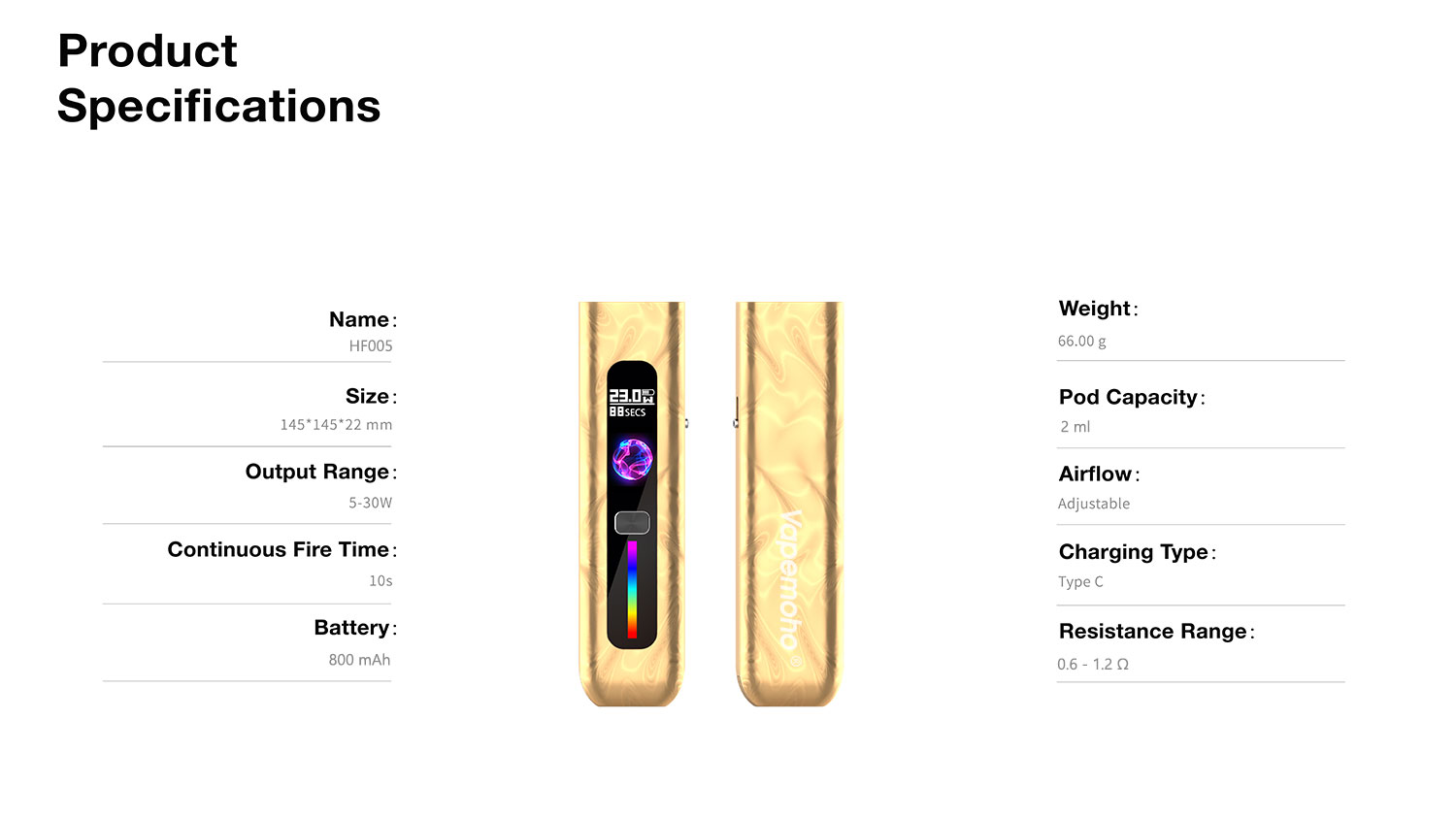
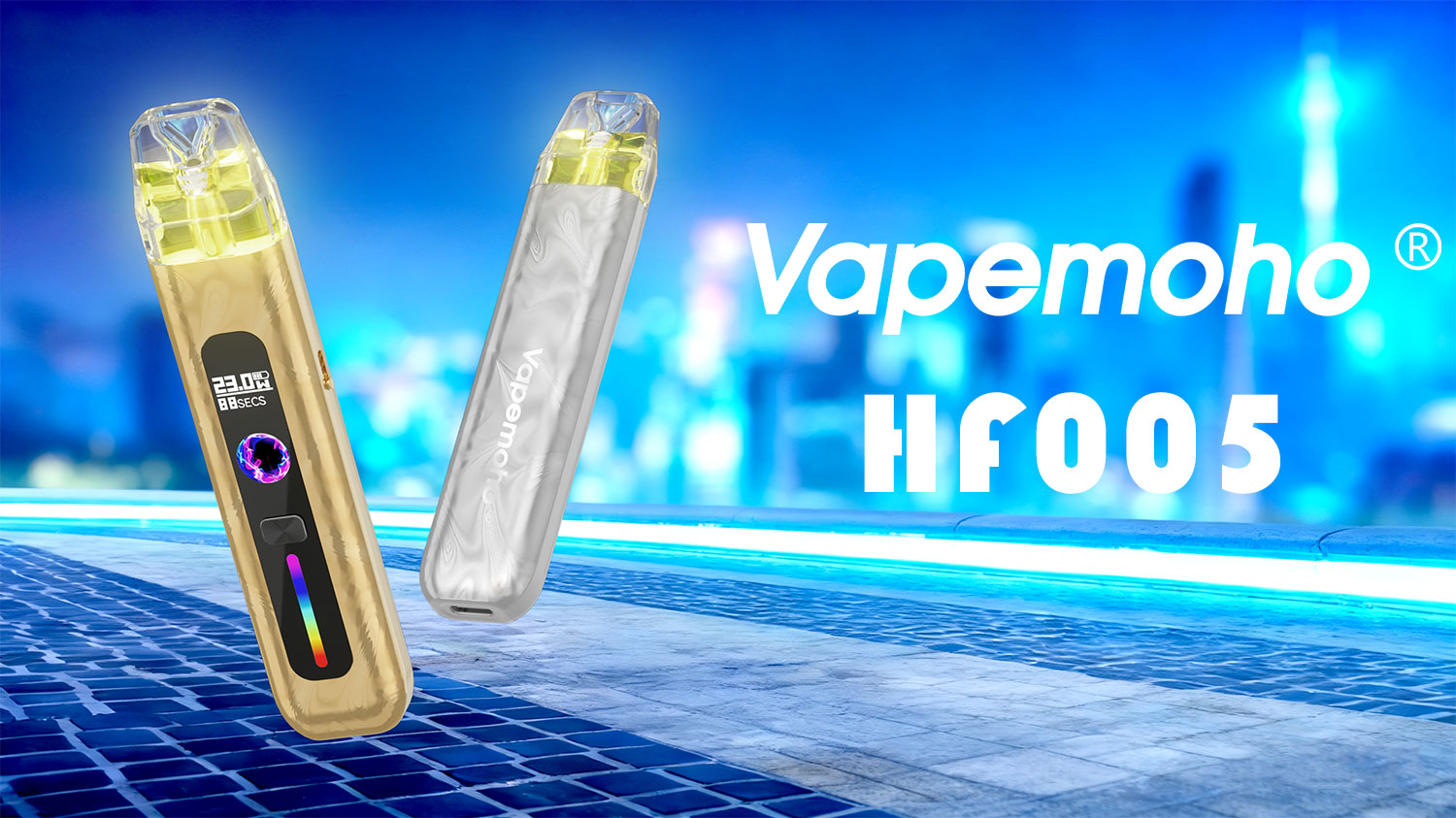
VAPESKY HF005 Luminescent Series: Effortless Pod Changes, Perfect for Beginners!

Refillable Pod Kit 3

First-time vapers often hit snags: pods that won’t click, spilled e-liquid, or a dead device mid-day. To solve these frustrations, VAPESKY built the HF005 Luminescent Series. Specifically designed for beginners, it’s easy to use while adding a fun glow that elevates it beyond basic vapes. Let’s break down why new users love it.

1. Effortless Pod Changes: No Mess, No Stress

Click-and-Lock System: No Fumbling Required

Pod replacement tops new vapers’ complaints. Many devices force you to twist, push hard, or align tiny notches—easy to botch when you’re new. In contrast, the HF005 uses a simple “click-and-lock” system: the pod has a small raised guide, the device a matching groove. Just line them up, press gently, and you’ll hear a click. Done. Even shaky hands manage it effortlessly.

HF005 Luminescent effect in low light (Cool White & Warm Amber):

VAPESKY HF005 Luminescent Series in dark environment

*display effect

Anti-Leak Design: Keep Pockets Clean

Beyond easy swaps, the HF005 stops leaks entirely. A food-grade silicone ring seals the pod’s mouthpiece, while dual O-rings at the device connection block e-liquid seepage. As a result, you can toss it in your bag or pocket without worrying about sticky stains. For example, we tested it for a week: no leaks, even when jostled on the subway.

2ml Pod Capacity: Perfect for Beginners

Each pod holds 2ml of e-liquid—ideal for new users. For one thing, casual use (10-15 puffs/hour) lasts a full day, from commute to evening. For another, if you’re testing flavors, 2ml lets you try a taste without committing to a big bottle. Plus, the transparent pod lets you see when it’s time to swap—no surprises.

Pro Tip: Wipe the pod’s connection with a tissue before swapping. This removes leftover e-liquid, thereby keeping the device smooth long-term.

2. Luminescent Design: Style That Works

Practical Glow for Daily Use

At first glance, the HF005’s glow might seem like a novelty. However, it’s surprisingly practical, especially for new vapers. For instance, work late? The glow lets you find it in your desk drawer without turning on lights (no coworker disruptions). Walk home at night? Keep your phone in your pocket—the glowing device stays visible. Even digging through a dark bag? The soft light cuts clutter—no more searching.

HF005 Luminescent effect in low light (Cool White & Warm Amber):

VAPESKY HF005 Luminescent Series in dark environment

*display effect

Durable Luminescent Coating

The glow itself uses non-toxic, wear-resistant material. Consequently, it won’t fade or peel—even with daily use for months. To test this, we rubbed it with a microfiber cloth 50 times/day for two weeks. Not only were there no scratches, but the glow remained intact. Unlike cheap alternatives, it also doesn’t feel greasy or attract dust—staying smooth and clean.

Two Glow Colors: Match Your Style

You can choose between Cool White and Warm Amber. Cool White has a crisp, modern look—it pairs with neutral bags/outfits and is brighter for dark spaces. On the other hand, Warm Amber has a softer glow—great for understated style, perfect for dim cafes. Both charge fast: 10 minutes in light equals 2 hours of glow—ideal for evenings.

3. Flexible Settings: Easy to Customize

Three Coil Resistances: No Tech Jargon

The HF005 supports 0.6Ω, 0.8Ω, and 1.2Ω coils. To clarify, here’s what each feels like:

  • 1.2Ω (MTL): Feels like smoking—gentle restriction (straw-like), smooth vapor. Perfect for ex-smokers. Try mint or tobacco, for example.
  • 0.8Ω (Balanced): Slightly open draw (wider straw), thicker vapor, more flavor. Great for testing beyond MTL. Fruit flavors, in particular, shine here.
  • 0.6Ω (Flavor-Focused): Open draw, warm rich vapor—max flavor. Use after a few weeks. Try complex flavors (vanilla custard). Importantly, short puffs avoid coughing.

5-30W Power: One Button to Adjust

Power adjustment is equally simple: one side button cycles 5W to 30W. Here’s how it works: Press 3x fast (LED flashes). Press once to +1W, hold to cycle faster. The screen shows exact wattage (e.g., “12W”). Beginners, in particular, should start at 10-15W—the sweet spot for most setups, with no coughing.

Built-In Safety Features

Additionally, the HF005 keeps you safe. It shuts off and flashes red on short circuits (e.g., faulty pods)—no overheating. When the battery drops below 3.2V, it flashes 5x and turns off—preventing battery damage. Moreover, a 10-second cut-off stops firing if you hold the button too long—avoiding dry hits or overheating.

4. Long-Lasting Battery: Vape All Day

800mAh Battery: No Mid-Day Charges

New vapers hate dead devices during busy days—meetings, trips, errands. Luckily, the HF005’s 800mAh battery solves this. Here’s the real-world life:

  • Light Use (5-10 puffs/hour): 10-12 hours—full workday + evening out.
  • Moderate Use (10-15 puffs/hour): 8-10 hours—fits most routines.
  • Heavy Use (15-20 puffs/hour): 6-8 hours—gets through busy days.

Fast USB-C Charging

Charging is easy too: it uses a USB-C port (same as most phones)—no extra charger needed. Furthermore, the 1m cable lets you vape while charging (e.g., at your desk). It charges fast: 0-100% in 1.5 hours. For example, 10 minutes of charging (while making coffee) gives 15%—enough for hours of light use.

LED Battery Indicator

Finally, the LED screen shows battery level at a glance:

  • Green (70-100%): Full charge—good for the day.
  • Yellow (30-70%): Medium charge—charge overnight.
  • Red (0-30%): Low charge—plug in soon (1-2 hours left).

Why the HF005 Is Perfect for Beginners

Overall, the HF005 stands out because its features work together to make vaping easy, not overwhelming. New users say: “No more spilled pods,” “The glow saved me from dropping it,” “I don’t need to Google settings.” These small wins, in turn, let you focus on enjoying vaping—not figuring out the device.

It’s durable too: tough ABS plastic survives drops (tested: waist height onto wood, no damage). Besides that, the pod connection is reinforced—won’t wear out after hundreds of swaps. VAPESKY also offers a 1-year warranty—replacements for faulty parts, free of charge.

When you buy the HF005, you get bonuses: 2 extra pods, a microfiber cloth, and a photo guide (no confusing text).

In short, vaping should be simple—especially for beginners. The HF005 takes the stress out. Try it today—you’ll wonder how you vaped without it.