

Flexible Production in E-Cig Factories: Small-Batch Customization vs. Large-Scale Production
The global e-cigarette industry is navigating a dual-demand landscape: consumers increasingly seek personalized vaping solutions, while brands require cost-efficient scalability to penetrate mainstream markets. Flexible production has become the linchpin for manufacturers, reconciling the agility of small-batch customization (targeting niche segments, collaborative limited editions, and pre-market validation) with the efficiency of large-scale production (fulfilling global retail orders and adhering to stringent regulatory frameworks). This analysis dissects how leading e-cig factories integrate these two models to sustain competitiveness amid evolving market dynamics and compliance requirements.
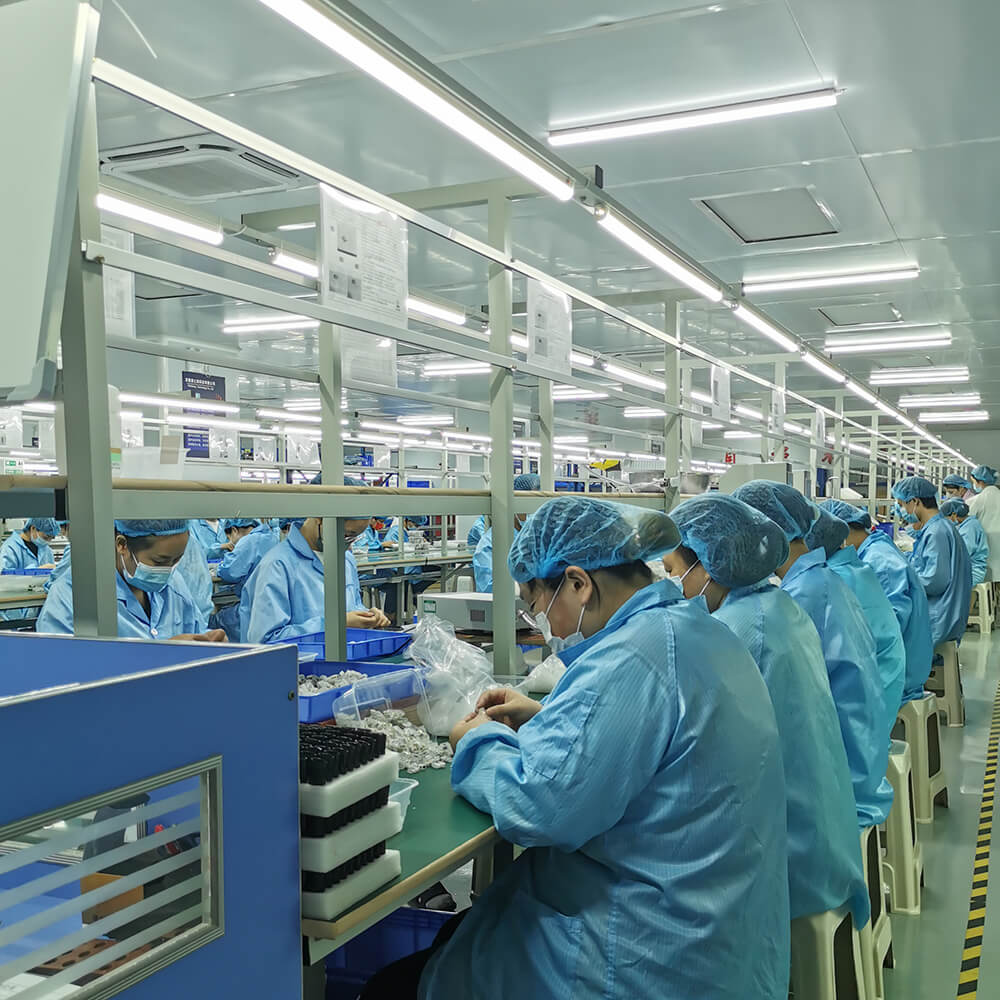
Figure 1: Modular assembly lines enable seamless switching between small-batch and large-scale e-cig production
1. Small-Batch Customization: Precision Agility for Niche Value
Small-batch customization caters to the industry’s shift toward experiential personalization—encompassing custom e-liquid flavor profiles, device ergonomics, branded casings, and limited-edition collaborations. Leading factories optimize for responsiveness: production cycles of 2–4 weeks, reconfigurable modular workstations, and just-in-time (JIT) supply chain integration. Typical order volumes range from 500–5,000 units, serving independent vape retailers, startup brands, or established players testing new product iterations (e.g., nicotine strength variants or pod design tweaks) without incurring the fixed costs of mass production.
Notably, this model demands rigorous process control: custom components (e.g., 3D-printed resin casings or proprietary coil configurations) require specialized quality assurance (QA) protocols to meet ISO 13485 medical device standards, a benchmark for high-end e-cig manufacturing. Cost challenges persist—per-unit expenses are 20–30% higher than mass production due to frequent line retooling—but are offset by premium pricing (15–25% above standard products) and reduced inventory risk. Digital enablers such as cloud-based order management systems (OMS) and computer-aided design (CAD) collaboration tools streamline workflow efficiency for custom orders.
2. Large-Scale Production: Industrial Efficiency for Mass Market Dominance
Large-scale production (100,000+ units/month) remains the industry’s backbone, serving global distributors, major retailers, and established brands like SMOK and Vaporesso. Factories prioritize economies of scale through automated assembly lines (e.g., robotic coil winding with 99.9% precision), bulk raw material sourcing (5,000+ liters of USP-grade propylene glycol per order), and 24/7 continuous production runs. Advanced manufacturing execution systems (MES) such as Siemens Opcenter monitor real-time production metrics—OEE (Overall Equipment Efficiency) targets exceed 85%—to minimize downtime and optimize resource allocation.

Figure 2: Automated e-liquid filling and device assembly lines for high-volume production (1M+ units/quarter)
Compliance is a critical pillar of mass production: factories adhere to international standards including ISO 9001 (quality management) and CE marking (EU safety), with batch-specific traceability systems to meet FDA’s Deeming Rule requirements. The primary tradeoff is inflexibility—reconfiguring automated lines for design changes can take 2–3 weeks—but manufacturers mitigate this by reserving 10–15% of capacity for “semi-custom” orders (e.g., branded packaging for retail chains) and investing in predictive maintenance to maximize line uptime.
3. Technological Pillars of Flexible Production
- Modular Manufacturing Cells: Interchangeable workstations (e.g., quick-change flavor tanks, universal component holders) reduce retooling time from 8+ hours to 45 minutes.
- Additive Manufacturing: 3D printing (SLA/FFF technologies) enables on-demand production of custom parts (e.g., mouthpieces, decorative sleeves) with lead times under 72 hours.
- IoT-Enabled Supply Chains: Cloud-based platforms (e.g., SAP S/4HANA) integrate raw material suppliers, production lines, and QA teams, ensuring real-time inventory visibility for both small and large orders.
- AI-Powered Demand Forecasting: Machine learning algorithms analyze market trends (e.g., social media sentiment, regional regulatory changes) to allocate capacity between custom and mass production proactively.
4. Hybrid Strategies: Balancing Agility and Scale
Top-tier e-cig factories adopt a “dual-line” hybrid model: dedicated high-speed lines for mass production (ensuring OEE >85%) and a flexible production zone (3–5 modular cells) for small-batch orders. Data-driven decision-making is central: analytics tools track custom order conversion rates (targeting 20–25% of small batches scaled to mass production) and identify cost synergies (e.g., shared raw materials between custom and standard products).
Supplier collaboration is another key lever: strategic partnerships with flexible component manufacturers (e.g., custom coil producers with minimum order quantities of 100 units) reduce lead times for small batches, while long-term contracts with bulk suppliers (e.g., 12-month agreements for nicotine base) lower per-unit costs for mass production. Additionally, cross-training production teams to operate both modular and automated lines enhances workforce agility.
Conclusion
Flexible production has evolved from a competitive advantage to a strategic imperative for e-cig factories. By integrating modular technologies, IoT-driven supply chains, and hybrid operational models, manufacturers can simultaneously excel at small-batch customization (capturing niche premium markets) and large-scale production (dominating mainstream retail). As regulatory scrutiny intensifies (e.g., EU TPD 3, FDA PMTA requirements) and consumer preferences fragment, the ability to pivot between these models—without compromising quality or cost efficiency—will define industry leadership. The future of e-cig manufacturing lies in this balance: leveraging industrial scale to drive affordability while retaining the agility to deliver personalized, compliant products.