
Tag Archives: ISO9001

ISO 9001: Cornerstone of E-Cig Factory Quality Control

HK30-intro-1

The e-cigarette industry faces strict global regulations. Moreover, quality control is no longer optional—it’s mandatory for compliance and market access.

ISO 9001 stands as the most recognized quality management standard worldwide. For e-cig factories specifically, it’s the unshakable cornerstone of consistent, safe products. Accordingly, this article breaks down its practical impact on manufacturing processes and regulatory compliance.

ISO 9001 Quality Management System in E-Cig Factory

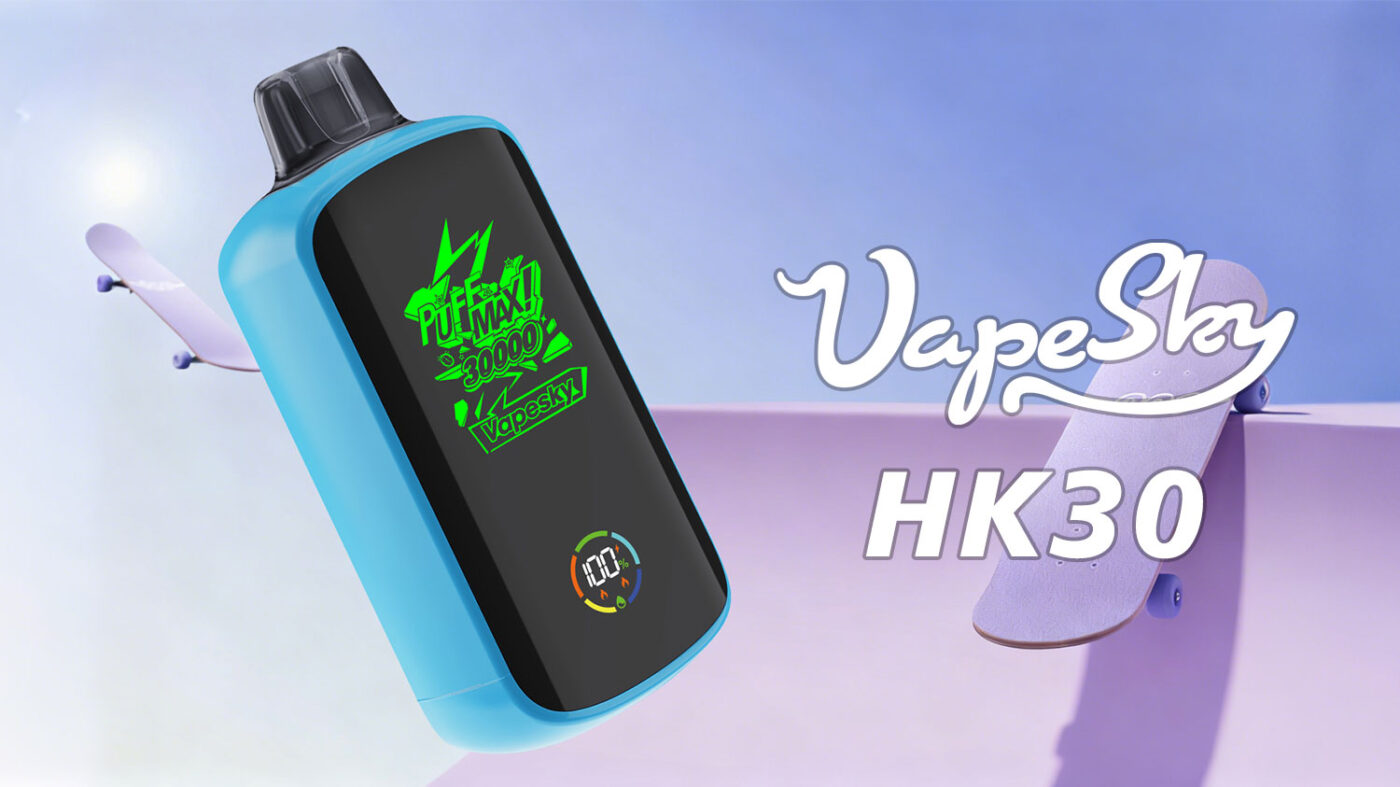
VAPESKY HK30-A Finished Product Display

Why ISO 9001 is Non-Negotiable for E-Cig Factories

Aligning with Global Regulatory Requirements

E-cig products are regulated by major authorities worldwide. For example, the EU enforces the Tobacco Products Directive (TPD), while the US relies on FDA’s PMTA framework.

To meet these diverse demands, this framework provides a unified approach. It ensures factories operate in line with international quality rules, simplifying cross-border compliance.

Systematic Quality vs. Ad-Hoc Checks

Unlike random, ad-hoc quality checks, the standard mandates the PDCA cycle. Specifically, this Plan-Do-Check-Act process drives continuous improvement across all operations.

Notably, it covers every manufacturing stage. This includes raw material testing, production control, and finished product validation.

A Universal Quality Passport for Exports

Certification builds trust with overseas clients. After all, it proves consistent quality across every batch and process.

Furthermore, it reduces third-party audit costs. In many cases, it’s even a prerequisite for product registration in key markets.

Implementing the Standard in E-Cig Manufacturing

Standardizing Key Manufacturing Processes

The framework requires documented procedures for consistency. Key processes include:

  • Raw material inspections (AQL 1.5 sampling for critical parts)
  • Atomizer assembly with station-specific SOPs
  • Post-production checks for vapor output and safety

Without such standardization, factories risk inconsistent quality and regulatory violations.

Batch Tracking and Traceability

Certified factories use strict batch tracking systems. As a result, every product traces back to its suppliers, production shifts, and inspectors.

This capability enables rapid recalls if issues arise. Additionally, it simplifies compliance reporting for regulators.
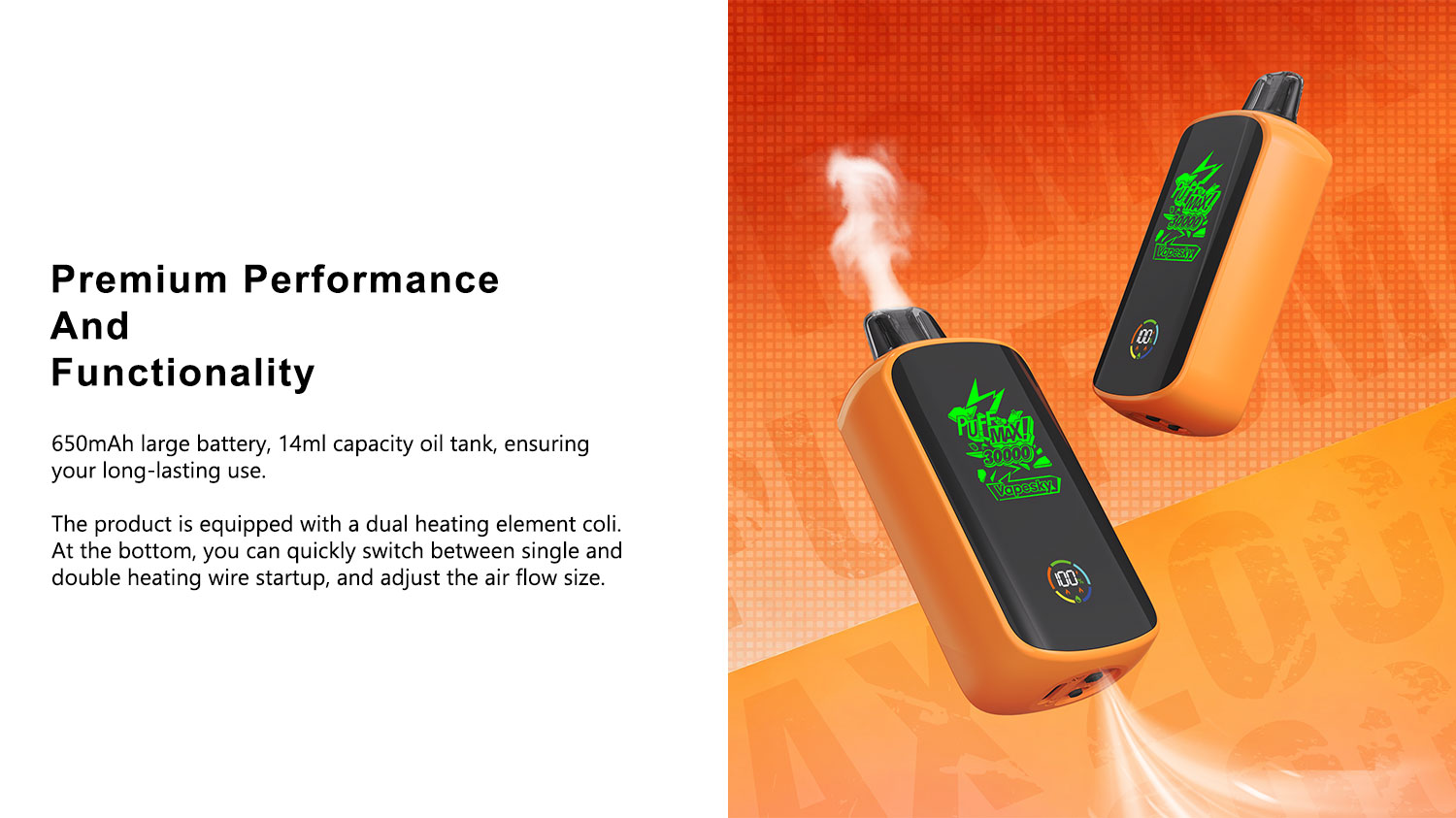
E-Cig Production Line Quality Inspection

VAPESKY HK30-A Finished Product Display

Proactive Risk Management

The framework requires identifying potential quality hazards. Common risks include inconsistent nicotine levels, defective coils, or packaging contamination.

To mitigate these risks, factories implement preventive measures. For instance, many use AOI machines for automated defect detection.

Furthermore, testing equipment is calibrated monthly. This ensures accurate measurements per ISO 10012 standards.

Long-Term Benefits Beyond Certification

Operational Improvements and Cost Savings

The standard reduces product defect rates by 30-40%. Consequently, it cuts waste and rework costs significantly.

Additionally, factories often see 15-20% lower production costs. These savings stem from streamlined processes and reduced inefficiencies.

Building a Quality-Centric Culture

Importantly, certification isn’t just a credential—it’s a cultural shift. It fosters a mindset of quality across all levels of the organization.

As a result, employees prioritize compliance in every task. Over time, this builds long-term trust with customers and regulators alike.

Partner With a Quality-Focused E-Cig Manufacturer

We’re an ISO 9001:2015 and GMP-certified e-cig factory. Not only do we meet global quality standards, but we also offer end-to-end quality control and customized solutions. Whether you’re targeting EU, US, or Asian markets, our processes ensure compliance and consistency. Contact us today to discuss your needs.
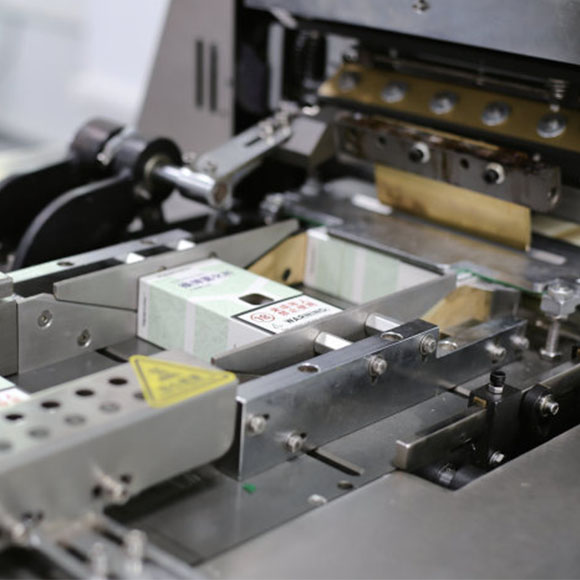
Our Quality System: A Detailed Explanation of How ISO-Certified Factories Implement Each Quality Control Process

In today’s global manufacturing landscape, ISO certification—particularly ISO 9001:2015—serves as a gold standard for quality management. ISO-certified factories do not just “meet” quality benchmarks; they embed structured, repeatable quality control (QC) processes into every stage of production. This article breaks down each core QC process, explaining how factories translate ISO requirements into actionable, day-to-day practices that ensure consistency, compliance, and customer satisfaction.

1. Documented Quality Management System (QMS): The Foundation of ISO Compliance

ISO 9001 mandates a fully documented QMS, and certified factories begin by formalizing three tiers of documents to eliminate ambiguity:

  • Quality Manual: A top-level document outlining the factory’s quality policy, objectives, and organizational structure for QC. It aligns with ISO 9001 clauses (e.g., customer focus, leadership, improvement) and is approved by senior management.
  • Procedure Documents: Step-by-step guides for critical processes (e.g., “Incoming Material Inspection” or “Non-Conforming Product Handling”). These are accessible to all relevant staff and include roles (e.g., QC inspectors, production supervisors) and timelines.
  • Work Instructions (WIs) & Records: Granular details for frontline teams—such as “Calibrating a Torque Wrench” or “Sampling Rates for Plastic Parts”—paired with mandatory record-keeping (e.g., inspection checklists, calibration logs). Records are stored digitally (via ERP systems) for 3–5 years to enable audits.

2. Incoming Material Inspection (IQC): Stopping Defects at the Source

QC inspector verifying raw material dimensions against ISO specifications during incoming inspection

ISO requires factories to verify that raw materials and components meet specifications before production begins. The IQC process follows strict protocols:

  1. Receiving & Labeling: All shipments are labeled with a “Pending Inspection” tag to prevent accidental use. The QC team cross-references the delivery note with purchase orders and material specifications (e.g., material composition, dimensions).
  2. Sampling & Testing: Inspectors use ANSI/ASQ Z1.4 (AQL) standards to select representative samples (e.g., 5% of a 1,000-unit batch for critical components like circuit boards). Tests include visual checks (for scratches), dimensional measurements (via calipers or CMMs), and material validation (e.g., tensile strength for metals).
  3. Dispositioning: Materials pass (tagged “Approved”), are rejected (returned to suppliers with a non-conformance report), or require rework (e.g., cleaning minor surface defects). Suppliers of rejected materials must provide corrective actions to retain their approved status.

3. In-Process Quality Control (IPQC): Monitoring Production in Real Time

IPQC inspector monitoring production line and conducting real-time sample checks per ISO standards

IPQC ensures that production stays within ISO standards by checking processes at key stages, not just the final product. Factories implement:

  • First Article Inspection (FAI): For every new production run or change (e.g., new tooling), the first unit is fully inspected against drawings. If it passes, production proceeds; if not, root causes (e.g., misaligned molds) are fixed immediately.
  • Periodic Patrol Checks: QC inspectors visit production lines every 1–2 hours to sample units. For example, in electronics assembly, they may test solder joints for conductivity or check assembly alignment with fixtures. Data is logged in real time to track process stability (using tools like control charts for SPC).
  • Operator Training & Self-Checks: All workers complete ISO 9001 training on QC expectations. They perform self-checks (e.g., a machinist measuring a part’s diameter) and flag anomalies using color-coded tags (red for defects, yellow for uncertainty).

4. Final Product Inspection (FPI) & Testing: Ensuring Customer-Ready Output

Before products leave the factory, FPI validates that they meet all customer and regulatory requirements:

  • Full vs. Sampling Inspection: Critical products (e.g., medical devices) undergo 100% inspection, while non-critical items (e.g., plastic packaging) use AQL sampling. Tests include functional checks (e.g., a laptop’s battery life), performance testing (e.g., a pump’s flow rate), and compliance checks (e.g., CE marking for EU sales).
  • Packaging & Labeling Verification: Inspectors confirm packaging protects products (e.g., shock absorption for electronics) and labels include required information (e.g., batch numbers, expiry dates for food-grade items)—a key ISO requirement for traceability.
  • Certification of Conformance (CoC): Approved batches receive a CoC, a document stating the product meets ISO and customer specs. This is shared with customers to demonstrate compliance.

5. Continuous Improvement: The ISO Cycle of Excellence

ISO 9001 is not a one-time certification—it requires ongoing improvement. Factories use four key mechanisms:

  • Internal Audits: Quarterly audits by trained internal auditors check if QMS processes are followed (e.g., “Are IQC records complete?”). Findings are documented in audit reports, and corrective actions are tracked to closure.
  • Management Reviews: Senior management meets bi-annually to review QC performance (e.g., defect rates, customer complaints) and update quality objectives (e.g., “Reduce FPI rejects by 10% in 2024”).
  • Customer Feedback: Complaints or suggestions are logged in a CRM system and analyzed for trends (e.g., “30% of complaints are about loose screws”). Root cause analysis (RCA) tools like 5-Why are used to fix issues (e.g., “Why loose screws? Torque wrenches were uncalibrated—solution: monthly calibration”).
  • Corrective & Preventive Actions (CAPA): For every non-conformance (e.g., a batch of defective parts), a CAPA plan is created: “Correct” (rework/reject the batch) and “Prevent” (e.g., add a second torque check in IPQC). CAPA effectiveness is verified after 1–2 months to ensure issues do not recur.

Conclusion

ISO-certified factories’ quality systems are defined by structure, accountability, and continuous improvement. From documenting every process to inspecting materials, monitoring production, and learning from feedback, each QC step is designed to minimize risk, meet standards, and deliver value to customers. This rigor is not just about maintaining certification—it is about building trust in a competitive global market. For factories, ISO compliance is not a destination but a journey of refining quality at every turn.

Published for ISO 9001 Compliance & Manufacturing Best Practices