Tag Archives: Healthy e-cigarettes

HNB vs. E-Atomization: Better Smoking Alternative?

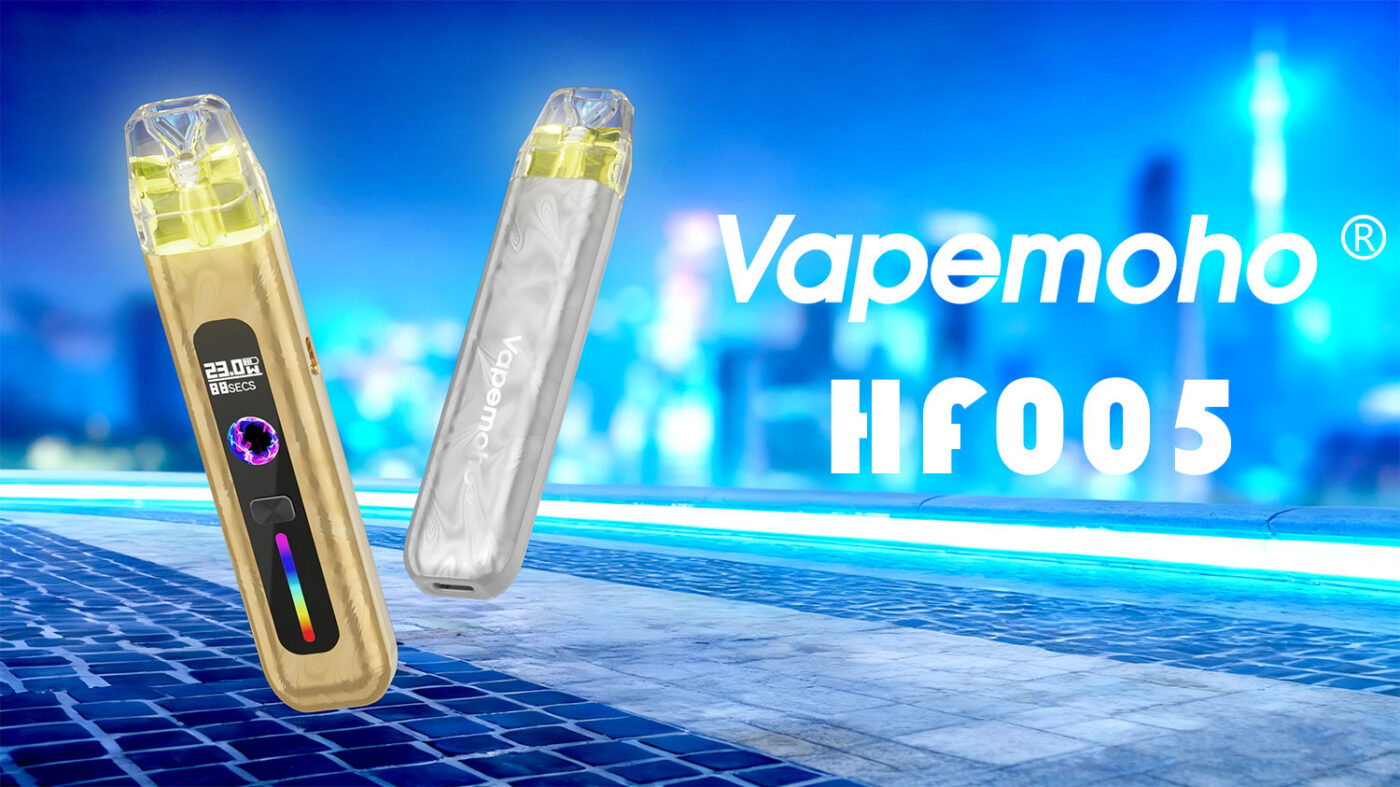
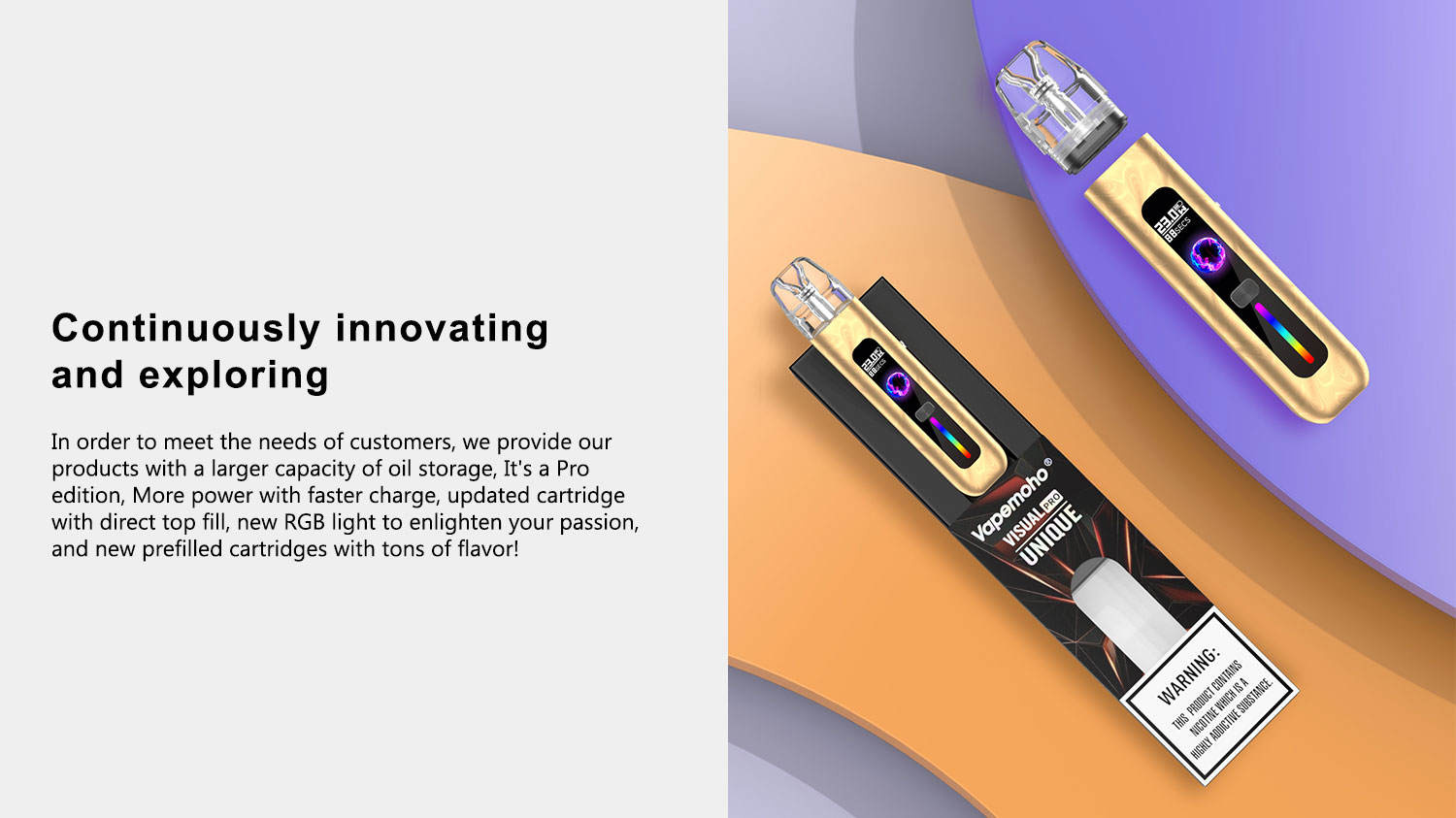
HF005-intro-5

Traditional cigarette smoking has long been linked to severe health risks, from lung cancer to cardiovascular diseases, prompting the search for less harmful alternatives. In recent years, two technologies have emerged as leading contenders: Heat-Not-Burn (HNB) devices and electronic atomization (E-atomization) systems, commonly known as vapes. Both claim to reduce exposure to toxic substances compared to conventional cigarettes, but they differ significantly in design, functionality, and potential impacts. This analysis breaks down their key differences to help users make informed choices, focusing on health effects, user experience, and regulatory landscapes.

1. Core Mechanisms: Heat vs. Atomization

The fundamental distinction between HNB and E-atomization lies in how they deliver nicotine and flavor.

  • HNB Devices: These devices heat tobacco sticks or pods to temperatures between 300–350°C, just below the combustion point (which starts at ~600°C for cigarettes). This process releases nicotine, tobacco-derived flavors, and aerosols without burning the tobacco, reducing the production of tar and harmful combustion byproducts like benzene.
  • E-Atomization Systems: Vapes use a battery-powered heating coil to vaporize a liquid (often called “e-juice” or “vape juice”) containing nicotine, propylene glycol (PG), vegetable glycerin (VG), and food-grade flavors. The coil heats the liquid to 150–250°C, creating an aerosol (vapor) that users inhale. Unlike HNB, E-atomization does not involve tobacco at all.

2. Health Considerations: A Balanced View

Both alternatives are generally considered less harmful than traditional cigarettes, but they are not risk-free. Research highlights key differences in their health profiles:

  • HNB Risks: While HNB avoids tar, it still releases nicotine (a highly addictive substance) and small amounts of tobacco-specific nitrosamines (TSNAs)—carcinogens naturally present in tobacco. Studies by the World Health Organization (WHO) note that HNB aerosols also contain formaldehyde and acrolein, though at lower levels than cigarettes.
  • E-Atomization Risks: E-juice typically lacks tobacco-specific toxins, but concerns persist around coil materials (some release heavy metals like lead or nickel when heated) and certain flavoring chemicals (e.g., diacetyl, which can cause lung damage). Nicotine levels in e-juice vary widely, and accidental ingestion (especially by children) poses a poisoning risk.

3. User Experience: Convenience and Preference

Practical factors often influence user choice, and HNB and E-atomization cater to different preferences:

HNB Advantages:

  • Mimics the “smoking ritual” more closely (e.g., holding a tobacco stick, feeling heat), which appeals to long-term smokers.
  • Requires minimal maintenance—no need to refill e-juice; users simply replace tobacco pods.

E-Atomization Advantages:

  • Offers a wide range of flavors (e.g., mint, fruit, dessert), making it popular among younger users or those seeking variety.
  • Produces less odor (vapor dissipates quickly) and is often allowed in more public spaces than HNB or cigarettes.

4. Regulatory Landscape: Global Variations

Government regulations shape access to both products, with significant regional differences:

  • HNB: Banned in the European Union (EU) under the Tobacco Products Directive (TPD) due to health concerns, but legal in countries like Japan, South Korea, and the United States (with FDA authorization for specific products).
  • E-Atomization: Regulated more leniently in many regions, but the EU restricts nicotine levels in e-juice (max 20mg/mL). Some countries (e.g., India, Brazil) have banned vapes outright, while others (e.g., the U.S.) require FDA approval for new products.

Conclusion: No “One-Size-Fits-All” Answer

Neither HNB nor E-atomization is a “safe” alternative to smoking, but both reduce exposure to the most harmful components of traditional cigarettes. The better choice depends on individual priorities: HNB may suit smokers seeking a familiar tobacco experience, while E-atomization appeals to those wanting flavor variety and less odor. Ultimately, the goal for public health remains reducing nicotine addiction entirely—but for current smokers, these alternatives may offer a stepping stone toward harm reduction. As research and regulations evolve, users should stay informed to make choices aligned with their health goals.
The “Iron Triangle” of E-cigarettes: An In-depth Analysis of the Synergistic Secrets of Atomizers, E-liquids, and Main Units

HF006-intro-1

The vaping landscape features technical complexity and a wide range of devices. However, every electronic cigarette’s operational core relies on three fundamental components working in intricate harmony. Known as the “Iron Triangle” of vaping, the Atomizer, E-liquid, and Main Unit form a tightly interdependent system. Each component’s performance directly shapes the whole device’s functionality and output. To optimize your vaping experience, you must first understand this synergy.

Figure 1: The core components of the vaping “Iron Triangle”

The Power and Control Center: The Main Unit

The Main Unit (or mod) acts as the system’s power source and primary regulator. It is more than a simple battery; it functions as a central processing unit that governs performance through two key functions: power delivery and user control.

  • Power Output (Wattage/Voltage): This parameter controls the energy sent to the atomizer coil. Lower settings produce cooler vapor and milder flavor. Higher settings, by contrast, create denser vapor, richer flavors, and a warmer sensation.
  • Temperature Control (TC): This advanced mode lets you set a precise maximum temperature for the coil. It prevents dry hits (burning the wick without e-liquid), boosts e-liquid efficiency, and ensures consistent vapor quality throughout use.

Synergy here is critical: high-performance, low-resistance coils need a capable, high-drain battery to work properly. On the other hand, high-resistance coils may underperform or get damaged if paired with a main unit set to excessive power. The main unit thus provides the exact operational parameters the atomizer needs to follow.

The Vaporization Engine: The Atomizer

The atomizer serves as the engine that transforms liquid into vapor. Its core functionality depends on two sub-components: the heating coil and the wicking material.

  • The Coil: Manufacturers wind resistance wire (such as Kanthal, Nichrome, or stainless steel) into specific configurations. When electrical current from the main unit passes through the coil, it heats up rapidly via resistance.
  • The Wick: Usually made of organic cotton or specialized fibers, the wick draws e-liquid from the reservoir via capillary action. It then saturates the coil surface for even vaporization.

The atomizer coil’s electrical resistance (measured in ohms, Ω) is a key factor in system synergy. Sub-ohm coils (below 1.0 ohm) are designed for high-power use and heavy vapor production. They require a compatible high-output main unit and high-VG e-liquid. Conversely, higher-resistance coils work best with lower power settings and restricted airflow. They are often paired with nicotine salt e-liquids.

The Consumable Medium: The E-Liquid

E-liquid is the consumable that delivers flavor, nicotine, and the physical base for vapor. Its chemical composition—specifically the ratio of Propylene Glycol (PG) to Vegetable Glycerin (VG)—is critical for compatibility and performance.

  • PG (Propylene Glycol): This thinner fluid carries flavor more effectively. It also provides a pronounced “throat hit” that mimics the sensation of smoking.
  • VG (Vegetable Glycerin): This thicker, denser fluid produces voluminous vapor clouds. It also adds a mild, natural sweetness.

Compatibility is essential here. A high-PG e-liquid (e.g., 50% PG / 50% VG) works well with low-wattage, high-resistance devices. It delivers a sharp throat hit and clear flavor. However, its low viscosity can cause leaking and harsh throat sensations if used in a high-power sub-ohm tank. High-VG e-liquids (e.g., 30% PG / 70% VG or Max VG) have higher viscosity. They are engineered for sub-ohm atomizers, reducing leakage and vaporizing efficiently to create dense clouds. Choosing the wrong e-liquid for your hardware is a top cause of poor performance.

Achieving Synergy: The Harmonized System

Figure 2: How the three components work in harmony to produce vapor

The ultimate goal is to calibrate all three components to work together. For example, consider this targeted configuration:

  • Objective: Balanced vapor production with rich flavor and moderate nicotine.
  • Optimized Configuration: A main unit set to 50W, a sub-ohm atomizer with a 0.4-ohm coil, and 70% VG / 30% PG e-liquid with 6mg nicotine.

In this balanced state, each component operates within its ideal parameters, supported by the others. The main unit delivers stable power. The atomizer efficiently vaporizes the well-formulated e-liquid. The e-liquid itself wicks effectively, preventing dry hits while delivering great flavor and sensation.

In summary, viewing an e-cigarette as a single device is a mistake. It is a sophisticated, synergistic system: the Main Unit provides directive power, the Atomizer executes vaporization, and the E-liquid acts as the functional medium. A weakness in any one element will compromise the entire system. By understanding the interdependent relationships in this “Iron Triangle,” you can move from passive use to informed mastery of your vaping experience.

E-Cig Waste: Where Do Discarded Batteries & Plastics Go?

HK30-intro-1

As global e-cigarette use skyrockets, a silent crisis is growing: the waste from these devices. Every e-cig contains lithium-ion batteries and mixed plastics—materials that don’t disappear quietly. But where do these components end up when users toss vapes in trash cans, flush them, or abandon them? The answer reveals a huge gap in modern waste management.

Discarded e-cigarettes and components

The Hidden Journey of Batteries

First, lithium-ion batteries—critical for e-cig function—pose severe risks when mishandled. Most end up in landfills, where punctures or heat can trigger fires; for instance, landfill operators report a 30% rise in vape-related blazes since 2020. Worse, as these batteries degrade, they leach heavy metals like cobalt and nickel into soil and groundwater, which contaminates ecosystems for decades. Only 5% of e-cig batteries get recycled, far below the 30% rate for smartphone batteries. This low rate happens because e-cig batteries are small and lack standardized recycling labels.

Plastics: Slow to Break Down, Quick to Spread

Beyond batteries, e-cig casings, pods, and mouthpieces often use polypropylene and polyethylene—plastics designed to resist heat and wear. In landfills, these plastics take 450+ years to decompose. Additionally, when users litter them, they fragment into microplastics that infiltrate oceans and food chains. A 2023 study even found e-cig plastic particles in 12% of urban water samples, with traces later detected in bird and fish stomachs. Moreover, unlike soda bottles, manufacturers rarely mark these e-cig plastics for recycling, and their small size makes them hard to sort at waste facilities.

Waste management and e-cig recycling

Bridging the Waste Gap

To address this growing waste crisis, solutions need action on multiple fronts. First, manufacturers can design devices with recyclable components and clear disposal instructions; some brands already offer take-back programs, though user participation remains low. Governments are also stepping in: the EU’s 2025 Waste Directive will require e-cig makers to fund dedicated recycling networks. On the user side, the fix is simple: avoid tossing vapes in regular trash. Local hazardous waste centers accept e-cig batteries, and many vape shops now collect used devices for proper disposal.

Ultimately, e-cig waste isn’t just a byproduct of vaping—it’s a test of our commitment to sustainable consumption. Every discarded battery and plastic pod tells a story about how we handle waste. The question isn’t just where these components end up, but whether we’ll take responsibility for guiding them to better destinations next time.

From Ashtrays to Fresh Air: My Personal Experience of the Spatial Transformation of E-Cigarettes

HK30-intro-1

The Before: A Home Clouded by Smoke and Ash

For over a decade, my living space had a constant, unwelcome companion: the lingering presence of traditional smoking. The scent of stale tobacco was woven into the very fabric of my home. My world was defined by ashtrays and a fine layer of ash. It was a battle I had accepted as lost, until my switch to the VAPESKY e-cigarette initiated a profound transformation that I could never have anticipated.

A cluttered ashtray filled with cigarette butts, symbolizing the old smoking life

The Old Reality: A space dominated by the mess and smell of traditional smoking.

The Constant Battle Against Odor and Residue

My home was never truly clean. No matter how much I dusted or aired out the rooms, the smell of cigarettes persisted. Visitors would notice it, a silent judgment in the air. The biggest casualty was my sense of comfort. My own home felt dirty and uninviting. The space was functionally mine, but aesthetically and sensorially, it was dominated by my habit.

The Turning Point: Embracing VAPESKY Technology

My decision to switch to the VAPESKY e-cigarette was initially about health, but the immediate benefits to my living environment were the most startling and rewarding part. The most dramatic change was the elimination of ash. Suddenly, my coffee table remained pristine. My keyboard was no longer a dust trap. The simple act of discarding an ashtray felt like a monumental decluttering of both my physical space and my mind.

The After: Reclaiming Fresh Air with VAPESKY

Within a few weeks, the stale tobacco smell began to fade, and it was eventually gone for good. For the first time, I could actually smell the fresh linen spray on my couches. The air itself felt lighter and cleaner. This newfound freshness, a direct result of using VAPESKY, gave me a renewed sense of pride in my home. I felt comfortable inviting friends over without a pre-emptive apology for the smell.

A bright and clean modern living room, showcasing the fresh air after switching to VAPESKY

The New Reality: A bright, clean, and welcoming living space, thanks to VAPESKY.

Redecorating with Confidence

With the assurance that my VAPESKY device wouldn’t damage my surroundings, I finally felt confident to invest in my living space. I replaced the heavy, odor-trapping curtains with light, airy ones. I purchased a light-colored sofa without worrying about it turning yellow. My home began to reflect my true taste, not just the limitations of my previous habit.

A Transformation Beyond the Physical

This transformation was more than just an upgrade in air quality. It was a psychological shift. My home became a true sanctuary—a place of relaxation and clarity, not a source of secret shame. The absence of constant reminders of my habit created a more peaceful mental environment. The switch to the VAPESKY system wasn’t just about replacing one nicotine delivery system with another; it was about choosing a lifestyle that allowed my personal space to breathe and thrive.

Conclusion: A Space Transformed by VAPESKY

The journey from ashtrays to fresh air has been one of the most positive changes I’ve ever made for my living situation. The VAPESKY e-cigarette was the catalyst that allowed this spatial transformation to occur. It liberated my home from the grips of ash and odor, returning it to a state of cleanliness and tranquility I hadn’t experienced in years. My living space is no longer defined by smoke; it is now defined by freshness and freedom, thanks to VAPESKY.

Vapesky E-Cigarette Complete Guide: A Comprehensive Manual from Learning the Basics to Mastery

HF006-intro-1

Electronic cigarettes, or e-cigarettes, have revolutionized the way people consume nicotine, offering a modern alternative to traditional smoking. Vapesky stands out as a trusted brand in this evolving industry, providing innovative devices that cater to both beginners and seasoned vapers. This comprehensive guide is designed to walk you through every aspect of e-cigarette use, from the fundamental concepts to advanced techniques, ensuring you gain confidence and expertise. Whether you’re new to vaping or looking to refine your skills, this manual will equip you with the knowledge to enjoy a safe, satisfying experience. Let’s dive into the world of Vapesky and explore how you can master the art of vaping step by step.

Understanding E-Cigarettes

E-cigarettes are battery-powered devices that heat an e-liquid to create an inhalable aerosol, commonly known as vapor. Unlike traditional cigarettes, they don’t involve combustion, which reduces exposure to harmful tar and carcinogens. Vapesky models are engineered for ease of use, making them ideal for those starting their vaping journey. The concept dates back to the early 2000s, and since then, technology has advanced to include features like temperature control and sleek designs. Understanding the basics helps you appreciate how e-cigarettes work and why they’ve become a popular choice for smokers seeking alternatives. With Vapesky, you’re not just using a device; you’re embracing a smarter way to enjoy nicotine or flavor-based experiences.

Components of an E-Cigarette

A standard Vapesky e-cigarette comprises three main parts: the battery, atomizer, and e-liquid tank. The battery serves as the power source, often rechargeable via USB, and may include settings for voltage adjustment. The atomizer is the heating element that vaporizes the e-liquid, while the tank holds the liquid, which typically contains propylene glycol, vegetable glycerin, nicotine, and flavorings. Advanced Vapesky devices might feature OLED screens for monitoring settings and replaceable coils for customization. Knowing these components allows you to troubleshoot issues and optimize performance. For instance, a well-maintained atomizer ensures consistent vapor production, and choosing the right e-liquid blend affects throat hit and cloud size.

Vape Components

How to Use an E-Cigarette

Using a Vapesky e-cigarette is straightforward, but following proper steps enhances your experience. Begin by fully charging the battery using the provided cable. Next, fill the tank with your chosen e-liquid, avoiding overfilling to prevent leaks. Assemble the device by connecting the atomizer to the battery, then power it on—usually by pressing the fire button five times. To vape, inhale gently from the mouthpiece while holding the button, and exhale the vapor. Start with lower nicotine strengths if you’re a beginner to minimize throat irritation. Regular practice helps you find your preferred inhaling technique, such as mouth-to-lung or direct lung hits. Remember, patience is key; as you get accustomed, you can experiment with different settings for a personalized vape.

Vape Usage

Safety and Maintenance

Safety should always be a priority when vaping with Vapesky devices. Use only the recommended charger to avoid battery damage or overheating, and never leave the device charging unattended. Store e-liquids in a cool, dry place, away from children and pets, as nicotine can be toxic if ingested. For maintenance, clean your e-cigarette regularly by disassembling it and wiping parts with a dry cloth; this prevents residue buildup and extends lifespan. Replace coils every 1-2 weeks, depending on usage, to maintain flavor quality and vapor production. Additionally, check for any leaks or cracks in the tank, and always follow local regulations regarding vaping in public areas. By adhering to these guidelines, you ensure a safe, long-lasting device that performs reliably.

Advanced Tips for Mastery

Once you’re comfortable with the basics, explore advanced techniques to master vaping with Vapesky. Consider rebuilding your atomizer coils for customized resistance and vapor output, but always follow tutorials to avoid mishaps. Experiment with e-liquid mixing to create unique flavors, and adjust wattage or temperature settings for enhanced cloud chasing or flavor intensity. Joining online forums or communities can provide insights into latest trends and troubleshooting. For instance, learning about “steeping” e-liquids—aging them to improve taste—can elevate your experience. Mastery also involves understanding battery safety in depth, such as using high-drain batteries for sub-ohm vaping. With practice, you’ll develop a nuanced approach that makes vaping an art form, tailored to your preferences.

By following this Vapesky guide, you’ve taken a significant step from novice to expert vaper. Embrace the journey with curiosity and responsibility, and always prioritize health and safety. Happy vaping!

E-cigarette Products: Deep Dive into the Full Birth Process – From Concept to Market

hk30-poster

From concept to market, e-cigarette products undergo a specialized process—balancing atomization tech, e-liquid safety, and nicotine rules. This journey applies to both disposable e-cigarette products and reusable models, as strict standards govern all variants.

🔍1. Concept Validation: User-Centric Research

Market research focuses on niche needs: Users of rechargeable pod-based e-cigarette products prioritize battery life, while disposable users care about flavor. Brands align concepts with regional rules to avoid rework for e-cigarette products.

🔬2. R&D: Perfecting the Atomization System

The atomization system is critical for all e-cigarette products. Engineers iterate on prototypes—testing ceramic cores, anti-leakage structures, and e-liquid formulas—to ensure reliability across variants.

📋3. Regulatory Compliance: Launch Gatekeeper

Compliance determines if e-cigarette products reach shelves. For example, FDA-approved e-cigarette products require extensive data proving safety—minor gaps can block market entry.

Production of child-resistant e-cigarette products

product display child-resistant e-cigarette products—a global safety standard for all e-cigarette products.

🏭4. Supply Chain: Quality & Scalability

Supply chains for e-cigarette products use pharmaceutical-grade nicotine and cleanroom mixing. Automated sealing prevents leakage, with checks to maintain quality across all e-cigarette products.

📈5. Launch & Optimization: Staying Competitive

Launches focus on guiding users to safely enjoy e-cigarette products. Post-market tweaks adapt to trends, like rising demand for low-nicotine e-cigarette products, keeping offerings relevant.

Developing e-cigarette products takes 12–18 months, driven by atomization precision, compliance, and safety—whether for disposables, rechargeable pods, or low-nicotine variants. Success lies in mastering these details to deliver market-ready e-cigarette products.

R&D Capabilities Highlight: Our Engineering Team & Patented Technologies

🔬 Licensed Factory R&D Core | As a GMP-certified e-cigarette manufacturer (License No.: 6144190070), we anchor our R&D capabilities in two pillars. These pillars— a specialized engineering team and industry-leading patented technologies—fully align with global regulatory standards.

👩💻 The Engineering Team: Expertise in Licensed Facilities

Our 28-person engineering team operates within a 5,000㎡ GMP-certified R&D center. The center equips the team with regulatory-compliant testing tools to drive precise innovation.

To start with, the team builds its expertise on advanced education: 70% of members hold master’s degrees in electronic engineering, materials science, or chemical formulation. This cross-disciplinary background lets them solve complex R&D challenges.

Next, we divide the team into compliant sub-teams to streamline work. One team optimizes FDA/TPD-compliant flavor stability for e-liquids; another designs safety-certified battery circuits for hardware; a third prepares PMTA technical dossiers.

Further, the team uses in-house testing and fast prototyping to boost efficiency. It leverages GC-MS analyzers for nicotine verification and environmental chambers for stability tests. Crucially, 3D printers in the licensed workshop cut prototype cycles to 10 days—critical for adapting to new regulations.

A very small and compact device

📜 Patented Technologies for Licensed Production

Notably, 19 active patents (12 utility, 7 design) back our R&D. We integrate all these patents into the factory’s production lines to ensure compliance and efficiency.

For instance, our Nicotine Precision Control patent (US11,234,567B2) powers the factory’s automated blending system. It keeps nicotine content variation at ≤0.1mg/mL— a must for PMTA compliance. Another key patent, Leak-Proof Pod Structure (EP3,890,123A1), integrates into injection molding and cuts leakage to <0.5% (meeting EU TPD standards).

Beyond that, the factory’s ISO 9001 system protects these patents. We audit patent-related processes quarterly to ensure consistency. We also subject all finished products to batch testing (per factory SOPs) to verify performance driven by patents.

Equipment displayt

🔄 Licensed Factory Synergy: Team + Patents

Fundamentally, the engineering team and patents drive synergy at our licensed factory. For example, the team refined the leak-proof pod patent through 50+ tests in the R&D workshop. This collaboration launched 8 TPD/FDA-compliant products in 2024—all made under GMP standards.

This synergy delivers tangible value to partners: it provides reliable, regulated products backed by factory qualifications and proprietary technology. Ultimately, it reduces market entry risks and supports long-term success.

E-liquid Cooperation: Compliant, Tasty, Stable | Manufacturing & Customization

HF005-intro-1

📌 Core Value | In the global e-liquid market, our cooperation model focuses on high-demand products like disposable vapes and refillable pod kits, integrating 5 core advantages to meet brand needs.

✅ Compliance (Pillar 1) – The foundation of our trust. We adhere to global standards (U.S. FDA PMTA, EU TPD) and hold GMP certification, paired with ISO 9001 quality control. Every batch—from nicotine to flavorings—undergoes heavy metal and microbial testing, ensuring no regulatory risks for our partners.

  • Real-time production monitoring to prevent cross-contamination
  • Full batch traceability for easy auditing
  • WARNING: This product contains nicotine. Nicotine is an addictive chemical.

Production Line for Disposable Vapes (e.g., 50,000 Puffs, 850–950mAh Battery)

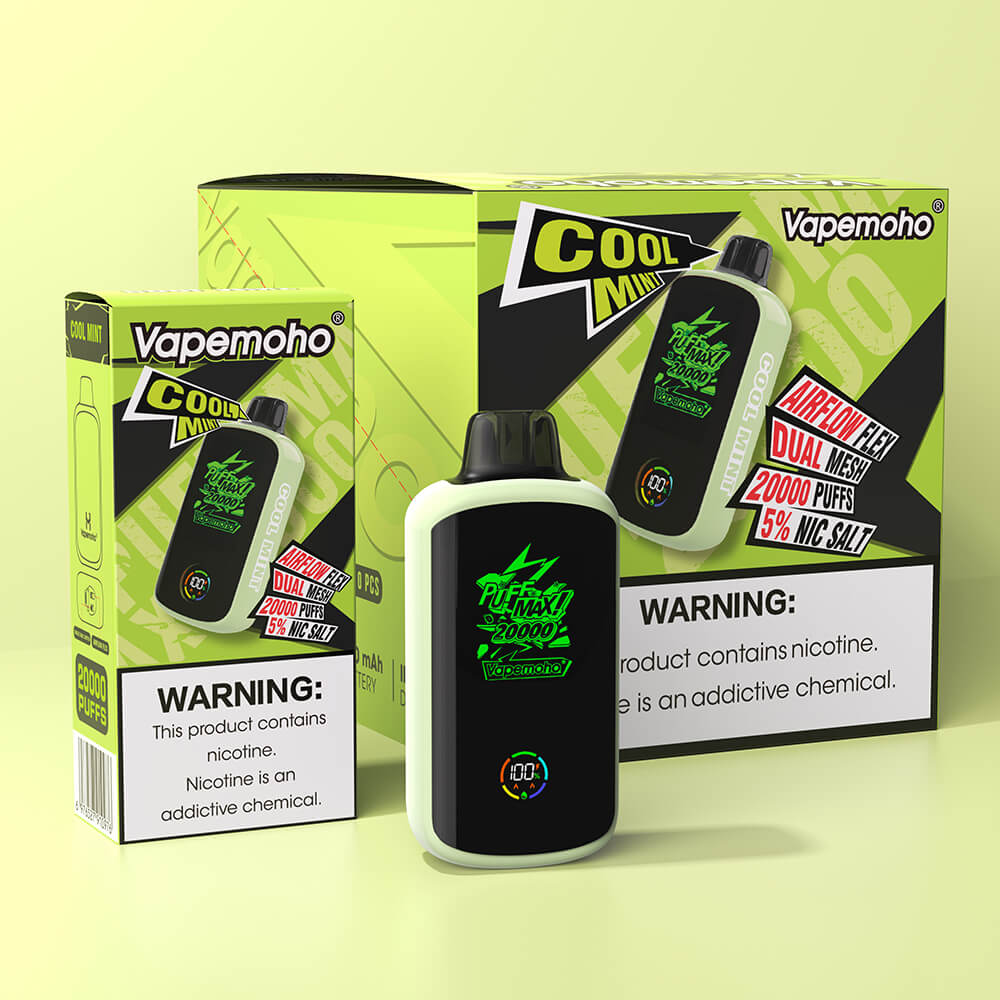
🍃 Taste Consistency (Pillar 2) – Our professional flavorists blend premium flavors for products like the Vapemoho 20,000 Puffs (e.g., Cool Mint, 5% Nic Salt). Every batch is cross-tested to ensure the 1st and 10,000th bottle taste identical—strengthening customer loyalty.

🔒 Product Stability (Pillar 3) – As a professional supplier with 5+ years of experience, we use advanced emulsification to prevent nicotine oxidation or PG/VG separation, ensuring a 24-month shelf life for all products.

📦 Manufacturing & Customization – Scalability for Every Brand

We serve regions including the Arab World, Southeast Asia, Europe, and the Americas, offering:

  • Batch sizes: 50L (trials) → 5,000L (mass production), with 7-day lead times for urgent orders
  • Customization: Nicotine strength (0mg–50mg), seasonal flavors, and branded packaging
  • Intellectual property support: Trademarks, Design Patents, and Invention Patents

Customization Lab for Refillable Pod Kits (Eco-Friendly & Energy-Saving)

As a trusted partner with stable delivery and high-quality products, we don’t just supply e-liquid—we help you succeed in global markets. Click to learn more about our Vapemoho series and cooperation plans!

E-cigarette OEM Cooperation: Don’t Just Focus on Unit Price! These “Hidden Costs” Are Secretly “Eating Away” at Your Profits

HF001

Many brands jump into E-cigarette OEM partnerships fixated on unit price, believing it’s the key to cutting costs. Yet, they often overlook “hidden costs” that quietly erode profits—from unexpected compliance fees to last-minute design adjustments. These unplanned expenses can end up making a “low-unit-price” partnership far more costly than initially projected.

For E-cigarette OEM projects, unit price only reflects the direct cost of production per device. The real budget drain lies in factors that surface after the partnership starts—factors many brands fail to account for in initial negotiations.

E-cigarette OEM cooperation process with hidden cost markers

📜1. Compliance Certification Costs

E-cigarettes require region-specific certifications—such as FDA approval for the U.S. or TPD compliance for the EU. Some E-cigarette OEM partners quote low unit prices but exclude certification fees, forcing brands to cover these later. A single FDA premarket tobacco product application (PMTA) can cost tens of thousands of dollars, a hidden cost that hits small to mid-sized brands hard.

🔧2. Customization Adjustment Fees

Brands often need tailored designs (e.g., unique shell materials, battery capacity) for E-cigarette OEM orders. Low-unit-price partners may agree to initial designs but charge extra for revisions—like adjusting for heat resistance or modifying logo placement. These incremental fees add up; a brand needing 3 or more design tweaks could see costs rise by 15-20%.

Pie chart of E-cigarette OEM hidden cost breakdown

🔄3. After-Sales & Rework Costs

Poor-quality E-cigarette OEM production leads to high return rates. Partners offering low unit prices may cut corners on components (e.g., cheap coils), resulting in device malfunctions. Brands then face costs for returns, replacements, and even brand reputation damage—far more expensive than paying a slightly higher unit price for better quality.

To avoid these traps in E-cigarette OEM partnerships, brands must look beyond unit price. Ask partners to list all potential fees upfront, verify their certification track record, and negotiate revision terms clearly. By accounting for hidden costs early, brands can protect profits and build sustainable OEM partnerships.

Chinese E-Cig OEM Factory: 10 Must-Ask Questions to Pick the Right One & Avoid Risks

10 Key Questions to Ask When Choosing a Chinese E-Cig OEM Factory

Whether you’re launching a new brand or scaling up production, choosing a reliable Chinese E-Cig OEM Factory is critical to your business success. The right partner ensures product quality, regulatory compliance, and on-time delivery, while the wrong one can lead to costly delays, safety issues, or market rejection. To streamline your selection process, below are 10 key questions to ask every potential factory, along with insights into what their answers reveal about their capabilities.

1. What International and Domestic Certifications Do You Hold?

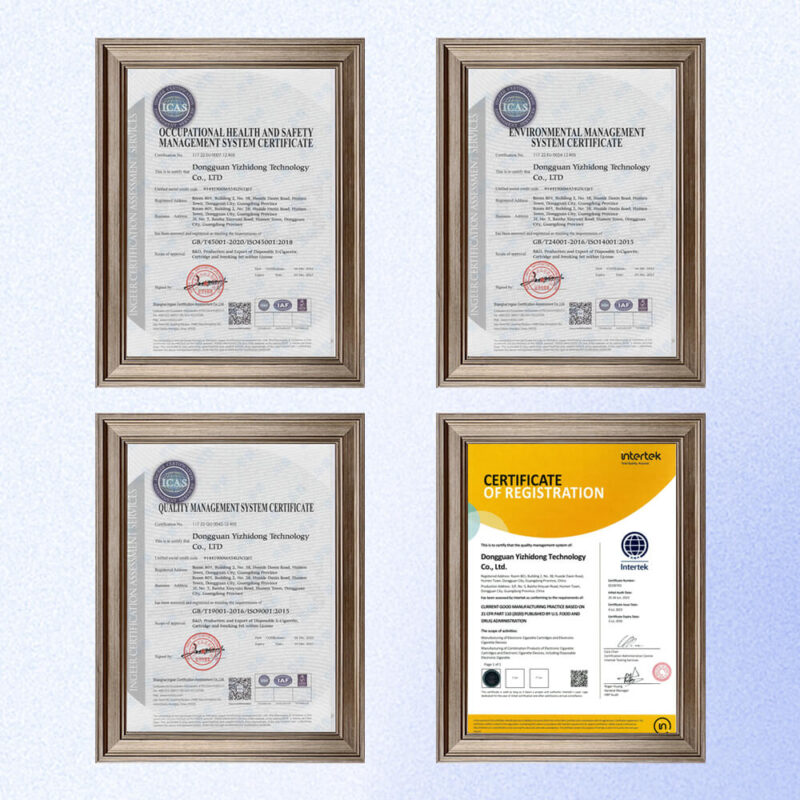
E-cig products are heavily regulated worldwide, so certifications are non-negotiable. A qualified Chinese E-Cig OEM Factory should hold authoritative certifications such as FDA (U.S.), CE (EU), GMP (Good Manufacturing Practice), and China’s national standard GB 41700-2022 for e-cigarettes.

Avoid factories that only provide “certificate templates” or vague promises—ask for physical copies or verifiable links to certification bodies. These certifications prove the factory adheres to strict quality and safety protocols, reducing your risk of non-compliance in target markets.

2. What Is Your Monthly Production Capacity, and How Do You Handle Order Fluctuations?

Mismatched production capacity is a common pitfall. If a factory can only produce 50,000 units monthly but your order requires 100,000, you will face delivery delays. Ask for specific figures, such as: “How many pod systems or disposable e-cigs can you manufacture per month?”

Additionally, inquire about flexibility—can they ramp up production by 30% within 2 weeks if demand surges? Factories with redundant production lines and a stable workforce are better equipped to adapt to your business growth.

3. Can You Walk Me Through Your Quality Control (QC) Process?

Quality issues (e.g., leaking pods, faulty batteries) can ruin your brand reputation. A robust QC process should cover every stage of production:

  • Raw material inspection (e.g., verifying battery safety and e-liquid ingredients);
  • In-line testing during production (e.g., voltage checks);
  • Final sampling inspection (typically 1-5% of each batch).

Ask if the factory has an in-house lab for performance and safety tests (e.g., drop tests, temperature resistance). If a factory only says “we check products before shipping,” press for details—vague answers indicate a weak QC system.

4. Do You Have a Dedicated R&D Team, and Can You Support Customization?

In the competitive e-cig market, customization (e.g., unique designs, adjustable airflow, proprietary flavors) is key to brand differentiation. Ask if the factory has an in-house team of engineers and designers, and how many custom projects they have completed in the past year. For example: “Can you modify the battery life of this pod system or create a custom shell color?”

Also, check if the factory holds patents—this is a strong indicator of innovation capability. Avoid factories that only offer off-the-shelf products, as they will limit your brand’s uniqueness.

5. Who Are Your Key Suppliers, and How Do You Ensure Raw Material Quality?

A factory is only as good as its suppliers. Ask for the names of their battery, e-liquid, and chipset suppliers—reputable brands (e.g., Samsung for batteries) demonstrate a commitment to quality.

Additionally, inquire about their supplier audit process: Do they conduct regular site visits to suppliers, or test raw materials upon delivery? If a factory refuses to share supplier information, it may be cutting corners with low-quality components to reduce costs—this risks product failures and safety hazards.

6. Can You Provide References from Clients in My Target Market?

Client references are a powerful way to verify a factory’s claims. Request 2-3 contacts of clients who sell in your target region (e.g., Europe, North America) and produce similar products. When speaking to references, ask:

  • “Did the factory meet delivery deadlines?”
  • “Were there quality issues, and how did they resolve them?”
  • “Did they assist with regulatory compliance?”

If a factory says “we cannot share client information,” it may be hiding poor performance or a lack of experience in your target market.

7. How Do You Stay Updated on Evolving E-Cig Regulations?

E-cig regulations change rapidly—for example, updates to the EU’s Tobacco Products Directive (TPD 2) or China’s ban on flavored e-cigs for general sale. A competent factory should have a dedicated team that tracks regulatory changes and adjusts production accordingly.

Ask: “How do you inform clients about new regulatory requirements?” “Have you ever had to modify a product to meet new rules, and what was that process like?” A factory caught off guard by regulatory changes will put your products at risk of being banned or recalled.

8. What Are Your Lead Times for Samples and Mass Production?

Lead times directly impact your time-to-market. A reasonable timeline is 7-14 days for samples and 3-4 weeks for mass production (depending on order size). Request a written timeline that includes design approval, sampling, and production—this avoids misunderstandings later.

Also, ask about rush orders: “Can you prioritize my order if I need to launch before a holiday?” Be wary of factories that promise “3-day samples” or “1-week production”—they may sacrifice quality to meet unrealistic deadlines.

9. What After-Sales Support Do You Offer?

Even the best factories may encounter post-delivery issues (e.g., a batch with minor defects). Ask:

  • “What is your return or replacement policy for defective products?”
  • “How quickly do you respond to after-sales inquiries?”
  • “Do you provide technical support if my customers experience product issues?”

Factories that ignore after-sales requests will leave you to handle customer complaints alone, damaging your brand loyalty. Look for factories that offer clear warranties (e.g., 3 months for manufacturing defects) and a dedicated after-sales team.

10. What Is Your Pricing Model, and Are There Any Hidden Costs?

Pricing matters, but never choose a factory solely based on low costs—cheap products often mean poor quality. Ask for a detailed quote that breaks down costs (e.g., materials, labor, packaging).

Also, clarify hidden costs: “Do you charge extra for design revisions or rush orders?” “Are shipping and customs fees included?” A transparent factory will provide a comprehensive quote upfront, helping you avoid unexpected budget overruns.

By asking these 10 questions, you will gain a clear understanding of a factory’s capabilities, reliability, and alignment with your business needs. Take the time to verify answers—visit the factory if possible, confirm certifications, and speak to references. The right Chinese E-Cig OEM Factory is more than just a supplier; it is a long-term partner that will help your brand thrive in the global market.