Tag Archives: disposable vapes

Observation | What happened to those who used e-cigarettes later?

E-cigarettes were once marketed as a “safer alternative” to traditional tobacco. Proponents claimed they offered a harmless way to satisfy nicotine cravings or help quit smoking.

But longitudinal observational data tells a different story. People who adopted e-cigarettes now face long-term health issues once dismissed as negligible.

Long-term studies reveal hidden respiratory and addictive risks

The American Lung Association conducted a 2024 prospective cohort study. It followed 10,237 e-cigarette users for six years.

Nearly 30% of participants reported chronic respiratory symptoms. These included persistent bronchitis, wheezing, and shortness of breath during activity.

This rate is 2.5 times higher than in matched non-user controls. More worrying: 18.3% of e-cigarette initiators later switched to combustible tobacco.

These devices often fail to reduce nicotine dependence. Instead, they act as a gateway to more harmful tobacco products.
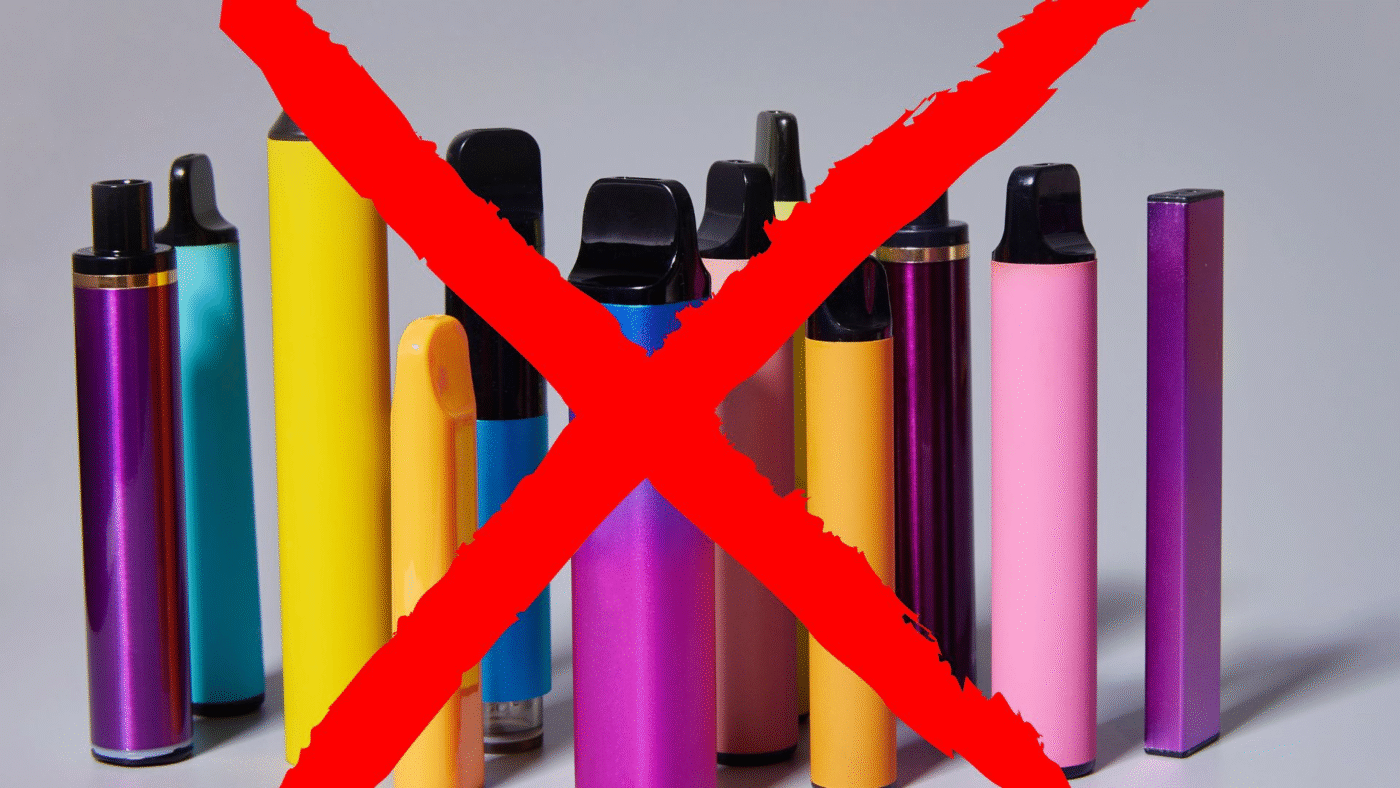
E-cigarette device with health warning symbols

Systemic organ damage extends beyond pulmonary function

Cardiovascular risks are equally troubling. Researchers at Johns Hopkins’ Ciccarone Center studied long-term e-cigarette use.

They found a 41% higher risk of atrial fibrillation. Users also had elevated resting blood pressure compared to non-users.

E-liquids contain propylene glycol and vegetable glycerin. When heated, these solvents break down into harmful compounds.

Formaldehyde, acrolein, and volatile organic compounds (VOCs) are released. These accumulate in blood vessel tissues, speeding up atherosclerosis.

“We see early vascular dysfunction in 30–40-year-olds,” says Dr. Sarah Chen. She led the 2023 Cardiovascular Research Foundation study.

“This was once only linked to decades of smoking. E-cigarettes aren’t the ‘clean’ option they’re claimed to be.”

Adolescent users face irreversible neurodevelopmental harm

Young people are particularly vulnerable. Brains remain neuroplastic until age 25, making them susceptible to nicotine damage.

The CDC released a 2024 surveillance study. It tracked 12,456 teens who used e-cigarettes daily.

Over 57% continued using e-cigarettes into adulthood. 22.1% developed severe nicotine use disorder.

Many required medical treatments like varenicline or bupropion. Nicotine exposure in teens disrupts brain chemistry.

It affects cholinergic signaling in the prefrontal cortex. This impairs memory, decision-making, and impulse control—permanently.
Lung health comparison: healthy vs. e-cigarette damaged tissue

Many turned to e-cigarettes for harm reduction. Their experiences have been sobering.

Public health experts stress: no nicotine product is truly “safe.” E-liquid additives carry unknown long-term risks.

Diacetyl, for example, is linked to bronchiolitis obliterans—known as “popcorn lung.”

A former dual user shared: “I switched to vapes to quit cigarettes. Now I have a persistent cough and heart palpitations.”

“The ‘safer’ option just delayed health consequences. It made the impact on my heart worse.”

The evidence is clear. E-cigarettes don’t eliminate nicotine’s dangers—they repackage them.

For those who used them, chronic health issues are now emerging. This highlights the need for evidence-based regulation and public education.
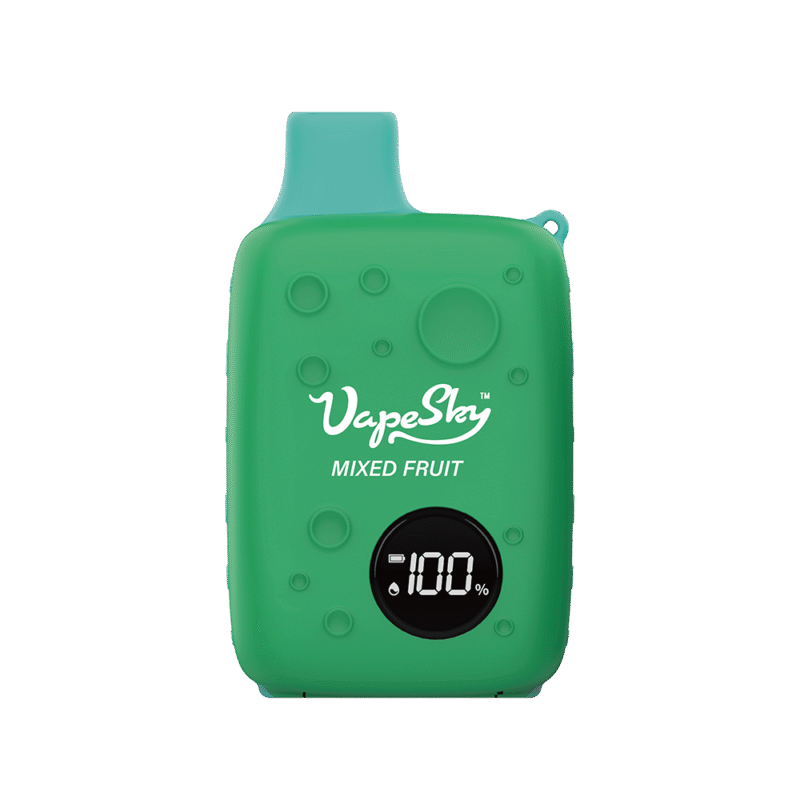
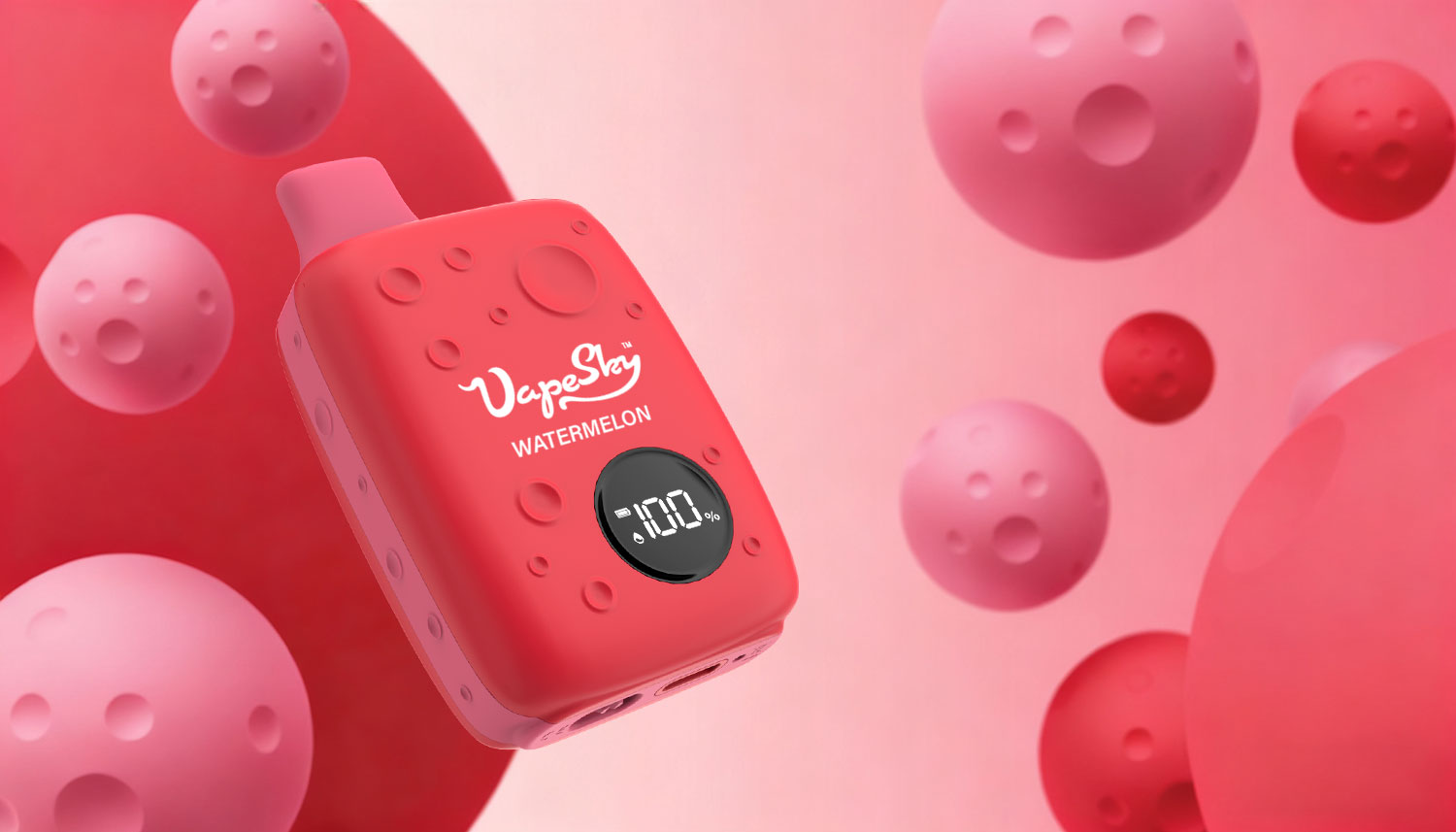
Cigarettes to E-Cigarettes: Nicotine Addiction or Mental Craving—What’s Hard to Quit?

Cigarettes to E-Cigarettes: Nicotine Addiction or Mental Craving—What’s Hard to Quit?

The Shift from Cigarettes to E-Cigarettes

Over the past decade, millions have swapped traditional cigarettes for e-cigarettes. Many hope they’re safer; others, meanwhile, see them as a step toward quitting. But a harsh truth remains: breaking the habit is still a struggle—whether with a cigarette or a vape pen.

The Core Question

So, why is quitting so hard? Is it nicotine’s physical grip—the brain’s dependence on this stimulant? Or is it mental craving—the habits, emotions, and rituals that outlast physical withdrawal? To find out, we need to explore how these two forces interact and reinforce each other.

Side-by-side comparison of a traditional cigarette and an e-cigarette, showing differences in design
Figure 1: VAPESKY HF001 Equipment Exhibition Area.

Nicotine: The Biological Anchor of Addiction

How Nicotine Hooks the Brain

Rapid Impact on the Brain

Nicotine is tobacco’s key addictive chemical. Specifically, when inhaled—from a cigarette or vape—it reaches the brain in 10–20 seconds. It then binds to receptors called nAChRs in the brain’s reward center, which in turn triggers a release of dopamine, a “feel-good” neurotransmitter.

Building Tolerance and Dependence

Over time, the brain adapts to repeated nicotine exposure. Consequently, it needs more nicotine to achieve the same rewarding effect—a process known as tolerance. This adaptation ultimately creates physical dependence: when nicotine levels drop, withdrawal symptoms follow, such as irritability, poor focus, and intense cravings.

Research Insight: A 2023 study in Addiction tracked 1,200 vapers for 18 months. It found 60% showed clear signs of nicotine dependence. Additionally, 42% reported needing higher nicotine doses over time, while 38% felt irritable or unfocused when reducing their usage.

E-Cigarettes Don’t Escape Nicotine’s Grip

Notably, e-cigarettes do not eliminate nicotine dependence—they merely change the delivery method. Many e-liquids contain 24–50 mg/mL of nicotine, which is significantly more than the 10–12 mg/mL average in a typical cigarette.

This creates a critical paradox: users may switch to vapes to reduce harm from tar and carcinogens, yet they often remain hooked on nicotine. Even though the delivery method changes, the biological hold of nicotine persists.

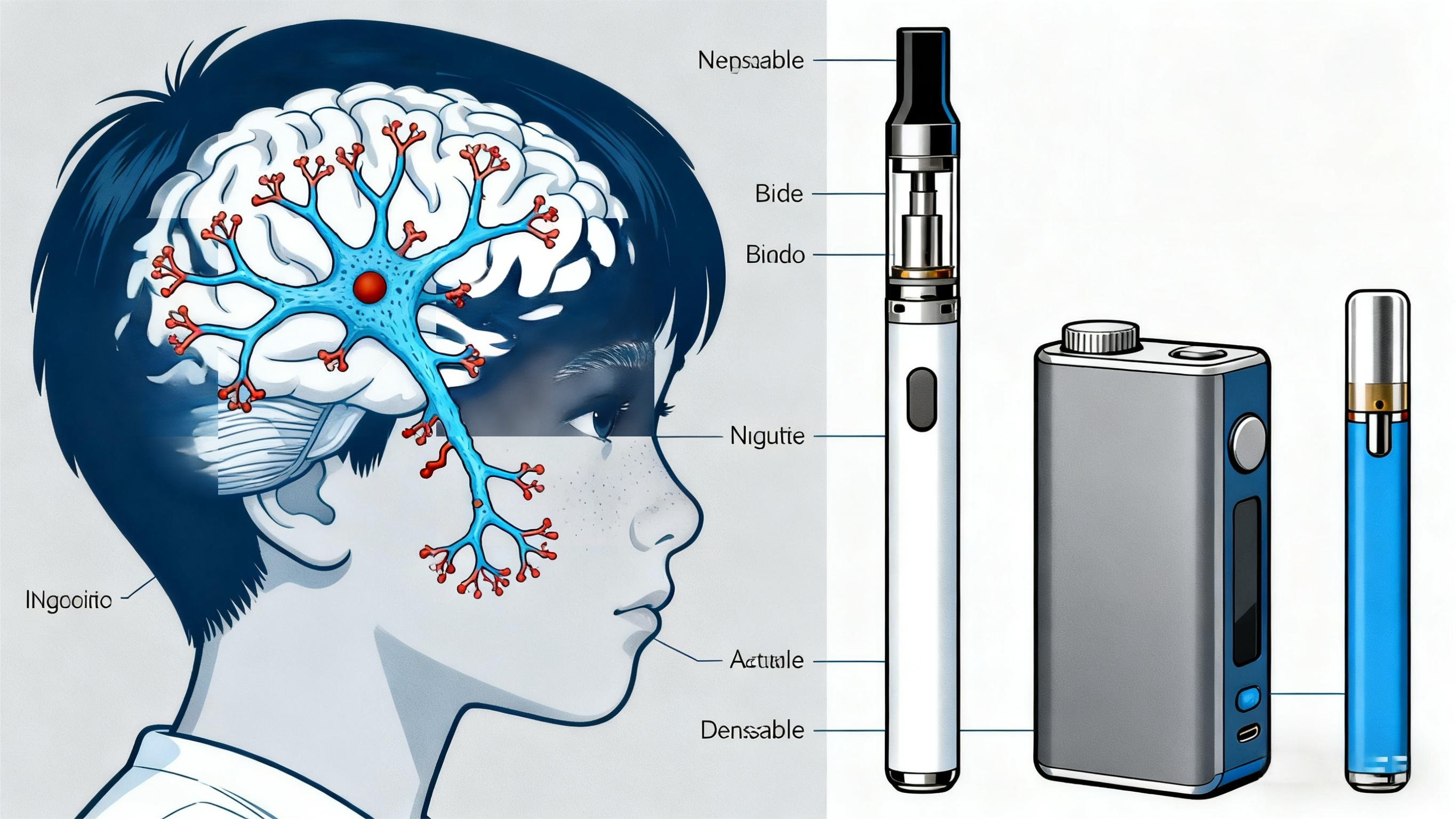
Diagram showing nicotine molecules binding to brain receptors and triggering dopamine release
Figure 2:VAPESKY HF001 Equipment Exhibition Area

Mental Craving: The Behavioral and Emotional Hold

Habits and Rituals: More Than Nicotine

Mental craving is fundamentally different from physical dependence, as it’s rooted in learned behaviors rather than chemistry. For example, it’s tied to daily rituals: the post-meal smoke, the morning vape, or the work-break pause. These actions become ingrained habits that the brain links to comfort and reward.

Even when nicotine levels are low, these rituals trigger powerful cravings. The brain learns to associate specific actions with relief, so it craves the behavior itself—not just the chemical in nicotine.

Emotions and Social Triggers

Beyond daily rituals, emotions play a pivotal role in mental craving. Stress, boredom, or loneliness often spark an urgent urge to smoke or vape. In fact, a 2022 APA survey found 78% of ex-smokers who switched to vapes cited “stress relief” as a top motivation.

Social settings also amplify mental craving. Group smoking or vaping fosters a sense of belonging, so people may crave the activity as much as the nicotine itself—simply to fit in with peers.

Why Behavioral Cravings Last

Furthermore, psychological triggers are often harder to shake than physical dependence. For instance, users may successfully switch to nicotine-free vape juice, yet they still reach for the device out of habit.

This is what experts call “behavioral addiction.” The body no longer needs nicotine, but the mind still craves the routine, the hand-to-mouth motion, and the emotional comfort of the habit.

The Interplay: Why They Feed Each Other

A Vicious Cycle

Nicotine dependence and mental craving do not operate in isolation; instead, they reinforce each other in a vicious cycle. When nicotine levels drop, withdrawal makes emotions raw and stress harder to handle. As a result, people reach for the smoking or vaping habit to cope with these uncomfortable feelings.

The reverse is also true: seeing a vape pen, passing a smoking spot, or encountering a ritualistic cue triggers mental cravings. These cues then intensify the brain’s desire for nicotine, pulling users back into the cycle.

Why Quitting Fails

This interconnected cycle explains why so many quit attempts fail. For example, someone might quit nicotine cold turkey but relapse due to unaddressed habit triggers. Alternatively, another person might break the ritual but start again to ease withdrawal symptoms.

In short, addressing only one factor is insufficient. Both the body’s physical need for nicotine and the mind’s emotional attachment to habits must be tackled simultaneously.

Breaking Free: A Dual Approach

Tackling Nicotine Dependence

  • First, use nicotine replacement therapy (patches, gum) to wean off gradually and reduce withdrawal.
  • Second, try prescription medications like varenicline to block nicotine’s effects on the brain.
  • Finally, lower e-liquid nicotine concentrations step-by-step (e.g., 24mg → 12mg → 6mg → 0mg).

Overcoming Mental Craving

  • Start by tracking triggers (when and where cravings hit) with a journal to identify patterns.
  • Next, use mindfulness or deep breathing to manage stress without smoking or vaping.
  • Additionally, replace rituals: chew gum, sip water, or take a short walk during usual smoking times.
  • Lastly, seek social support from counselors, support groups, or a friend who has successfully quit.

So, what’s harder to quit? Ultimately, it depends on the individual. For some, nicotine’s physical hold is the strongest barrier. For others, mental cravings persist long after the body no longer needs nicotine.

Regardless of which force is more powerful, the key is recognizing their interdependence. By addressing both the body’s dependence and the mind’s habits—through a combination of medical support and behavioral change—anyone can break free, whether they’re transitioning from cigarettes to vapes or quitting entirely.

E-Cigarettes: Essential Key Points You Must Know

HF009 Poster

E-Cigarettes: Essential Key Points You Must Know

E-cigarettes are growing in popularity globally, especially among young adults and former smokers. Grasping their core facts is increasingly critical. These key points will help you make informed decisions about e-cigarette use.

E-Cigarette Structure and Operational Principles

1. What Are E-Cigarettes and How Do They Work?

E-cigarettes are battery-operated devices. They heat a liquid—commonly called e-juice or vape juice—to produce an aerosol. The user then inhales this aerosol.

Unlike conventional cigarettes, they don’t burn tobacco. But most e-juices contain nicotine, a highly addictive psychoactive substance. The liquid also includes flavorings, propylene glycol, vegetable glycerin and other chemicals.

Common types include disposables, pod systems and advanced personal vaporizers (mods). Their designs vary, but all follow the same basic principle. They heat e-juice to create vapor that mimics smoking’s sensory experience.

2. Health Risks and Safety Concerns

E-cigarettes are often marketed as a “safer alternative” to traditional cigarettes. But they are not risk-free.

The aerosol can contain harmful substances. These include heavy metals like lead and nickel, formaldehyde (a known carcinogen) and ultrafine particles. These particles penetrate deep into the respiratory system.

Nicotine is particularly dangerous for adolescents and young adults. It impairs brain development, affecting cognitive function and behavioral regulation.

Other risks include EVALI (e-cigarette or vaping product use-associated lung injury). This is often linked to vitamin E acetate in black-market e-juices. Nicotine poisoning—especially in children who ingest e-juice—is another hazard. Addiction is also a major concern.

Long-term health effects are still being studied. But emerging research links e-cigarettes to chronic respiratory and cardiovascular diseases.

Global E-Cigarette Regulatory Frameworks and Age Restrictions

3. Regulatory Status and Age Restrictions

E-cigarette regulations vary greatly by country and region. In the US, the FDA classifies them as tobacco products. The federal minimum purchase age is 21.

Many nations have banned flavored e-juices (excluding tobacco). This is to reduce appeal among youth. Others restrict sales in public spaces or require child-resistant packaging.

Always check local legislation before buying or using e-cigarettes. Many regions mandate prominent health warnings on packaging. Import restrictions may apply to ensure safety standards.

Some jurisdictions ban e-cigarette use in enclosed public areas. This aligns with existing smoke-free policies.

4. Myths vs. Facts About E-Cigarettes

Myth: E-cigarettes are effective smoking cessation tools. Fact: Some adult smokers use them for harm reduction. But the FDA has only approved a small number as cessation aids.

Myth: “Vaping is harmless.” Fact: This is scientifically untrue. The aerosol contains toxic and potentially carcinogenic chemicals.

Key facts to remember: E-cigarettes are highly addictive. They are not safe for non-smokers. Minors (under 18 or 21, depending on the region) should never use them.

They are not a guaranteed way to quit smoking. Using e-cigarettes alongside traditional cigarettes worsens health risks.

Conclusion

Understanding these essential key points about e-cigarettes is vital. It helps safeguard your health and supports responsible choices.

Whether you’re a current user, considering trying them or a concerned parent, evidence-based knowledge is key. It helps navigate the complex world of e-cigarette use.

Prioritize information from reputable health authorities like the FDA or WHO. Follow regional regulations for safe, legal use. Informed decision-making protects your well-being amid evolving nicotine products.

E-cigarettes: Harm Reduction Miracle VS Health Crisis

The debate over e-cigarettes is one of the 21st century’s most contentious public health issues. They are marketed as less harmful than combustible tobacco. Public health advocates hail them as a harm reduction breakthrough. Skeptics criticize them as a gateway to nicotine addiction. They also warn of a growing health crisis, especially among youth. Policymakers, researchers and healthcare professionals face conflicting data. The true impact depends on distinguishing benefits for adult smokers from risks to vulnerable groups. Evidence-based analysis has never been more critical.


The Harm Reduction Argument

Proponents base their argument on harm reduction. This public health strategy helps those unable or unwilling to quit nicotine. Conventional cigarettes combust tobacco. They produce over 7,000 chemicals, at least 70 of which are carcinogenic. E-cigarettes heat nicotine-containing e-liquid to create an aerosol. They avoid tar and carbon monoxide entirely.

E-cigarettes as a harm reduction tool for adult smokers

VAPSKY HF006

  • A landmark 2014 Public Health England (PHE) report made a key finding. E-cigarettes are approximately 95% less harmful than combustible tobacco. PHE reaffirmed this in its 2021 update, citing consistent toxicological evidence.
  • UK Office for National Statistics data tells a clear story. E-cigarettes are the most popular quit aid for adult smokers. They contribute to 50,000 to 70,000 annual quit successes.
  • Smokers with chronic conditions (e.g., COPD, cardiovascular disease) benefit too. Reduced cigarette use links to improved respiratory function. E-cigarettes provide a viable risk-reduction tool.

The Public Health Concerns

Critics stress e-cigarettes are not “safe”—only potentially less harmful than cigarettes. They warn of distinct risks. Youth, non-smokers and pregnant individuals face the greatest danger. Adolescent e-cigarette use has risen rapidly. The U.S. Surgeon General calls it a “youth vaping epidemic.” It has become a top public health priority.

Youth vaping epidemic public health concern

VAPESKY HK30

  • CDC data shows 2.5 million U.S. middle and high school students used e-cigarettes in 2022. Eighty-five percent of youth users preferred flavored products. This proves flavorings drive youth initiation.
  • Adolescent brain development lasts until age 25. Nicotine exposure during this period impairs prefrontal cortex function. It increases risks of lifelong addiction, impulsivity and mood disorders.
  • The 2019-2020 EVALI outbreak highlighted acute risks. It caused over 2,800 hospitalizations and 68 deaths in the U.S. Contaminated e-liquids were to blame, especially those with THC and vitamin E acetate.

Navigating the Middle Ground

The e-cigarette debate reveals a core public health challenge. It requires balancing harm reduction for current smokers with prevention for non-users. Experts agree a one-size-fits-all approach fails. Policies must target distinct populations. They must also be grounded in scientific evidence.

Effective regulation includes key measures. Restrict youth access via age verification and flavor bans. Exclude adult-focused tobacco/menthol flavors from these bans. Mandate clear labeling of nicotine content and health risks. Regulate e-liquid quality to prevent contamination. Provide accurate public education. Canada and New Zealand have adopted such frameworks. They’ve seen declining youth use while preserving adult access.


The e-cigarette discourse is not a binary choice. It’s not “miracle” versus “crisis.” It’s a nuanced issue requiring recognition of both benefits and risks. For adult smokers trapped in addiction, e-cigarettes can be a lifeline. For youth, they threaten healthy development. Moving forward, public health policy must prioritize evidence over ideology. Regulation should minimize harm while maximizing benefits. Ongoing research will refine our understanding of long-term impacts. Adaptive policies will ensure e-cigarettes support global tobacco control efforts.

E-Liquid VG/PG: Understand to Choose Right

017-mobile-banner

For vapers, E-Liquid VG/PG are ubiquitous terms on product bottles—but few fully comprehend how these two core ingredients define their vaping experience. Overlooking their role often leads to lackluster results: overly dry throats, thin vapor, or muted flavor. Understanding them (Vegetable Glycerin and Propylene Glycol) isn’t just technical knowledge; it’s the foundation for choosing an e-liquid that aligns with your device, preferences, and comfort.

What Are E-Liquid VG/PG? Core Definitions

These two base liquids form the backbone of all e-liquids, and their properties directly shape every aspect of your vape:

E-Liquid VG/PG Core Ingredients

VAPESKY HF017 Equipment Display

  • Vegetable Glycerin (VG): A plant-derived component: odorless, naturally sweet, and thick. It’s prized for producing dense, voluminous vapor clouds.
  • Propylene Glycol (PG): The synthetic counterpart: flavorless, thin, and exceptional at carrying flavor molecules while delivering a smooth throat hit.

Ratios: How They Impact Your Vape

The ratio of VG to PG dictates three key elements: vapor production, flavor intensity, and throat hit. Choosing the right balance hinges entirely on your device and personal preferences:

High VG (70% VG/30% PG or Higher)

Ideal for sub-ohm devices (low resistance, high wattage) and cloud chasers. This blend delivers thick, billowing vapor and a mild, sweet throat hit. While vapor production is prioritized, flavor may be slightly softer due to VG’s viscosity— a tradeoff many cloud enthusiasts embrace. It works best with devices that require ample liquid flow to prevent dry hits.

High PG (60% PG/40% VG or Higher)

Tailored for pod systems, pen-style vapes, or mouth-to-lung (MTL) devices—setups that mimic the tight draw of a cigarette. This ratio leverages PG’s thin consistency to carry flavor with precision, resulting in crisp, vivid taste. It also delivers a satisfying throat hit, a key preference for former smokers. Note: High PG may irritate sensitive throats or cause dry mouth in some users.

50/50: The Versatile Middle Ground

Perfect for beginners or vapers who want balance. A 50/50 blend offers moderate vapor, decent flavor clarity, and a gentle throat hit. It adapts seamlessly to most devices—from basic pods to entry-level sub-ohm kits—making it a low-risk choice for those still exploring their preferences.

E-Liquid VG/PG Ratio Comparison

VAPESKY HF006 Equipment Display

Key Considerations for Comfort & Compatibility

  • Sensitivity: VG is gentler on airways, making high VG blends ideal for those with PG sensitivities or dry throat issues.
  • Flavor Pairing: VG’s natural sweetness complements dessert, fruit, or candy flavors. PG’s neutrality lets tobacco, menthol, or savory notes shine.
  • Device Compatibility: Thick high VG liquids can clog narrow pod coils. High PG blends may cause dry hits in sub-ohm devices due to rapid absorption.

How to Choose the Right Ratio

Follow this simple framework to nail your choice without guesswork:

  1. Identify your device type (sub-ohm = high VG; MTL/pod = high PG).
  2. Prioritize your goal: cloud production, bold flavor, or balanced comfort.
  3. Test ratios if unsure—start with 50/50, then adjust based on your experience.

VG and PG aren’t just passive ingredients—they’re the building blocks of a personalized vaping experience. By understanding their unique properties and how ratios interact with your device and preferences, you’ll move beyond generic e-liquids and select blends that feel custom-tailored. Vaping is about enjoyment, and mastering E-Liquid VG/PG basics is the first step to consistent, satisfying hits.

Teenagers and E-cigarettes: Warning Signs Parents Must Know

The youth e-cigarette epidemic is a pressing public health concern. Specifically, the U.S. Food and Drug Administration (FDA) calls it a “significant threat” to adolescent development. According to the 2023 National Youth Tobacco Survey (NYTS), 1 in 10 high school students use e-cigarettes. Of these, 38% even report daily use. These devices not only deliver highly addictive nicotine—which alters teen brain chemistry—but also contain harmful chemicals like formaldehyde and heavy metals. For parents, early warning sign recognition is therefore critical. Notably, 80% of teen users develop addiction within six months (American Medical Association, 2022).

Key Warning Signs to Monitor
1. Discreet Devices and Aromatic Clues
Concealable Device Designs

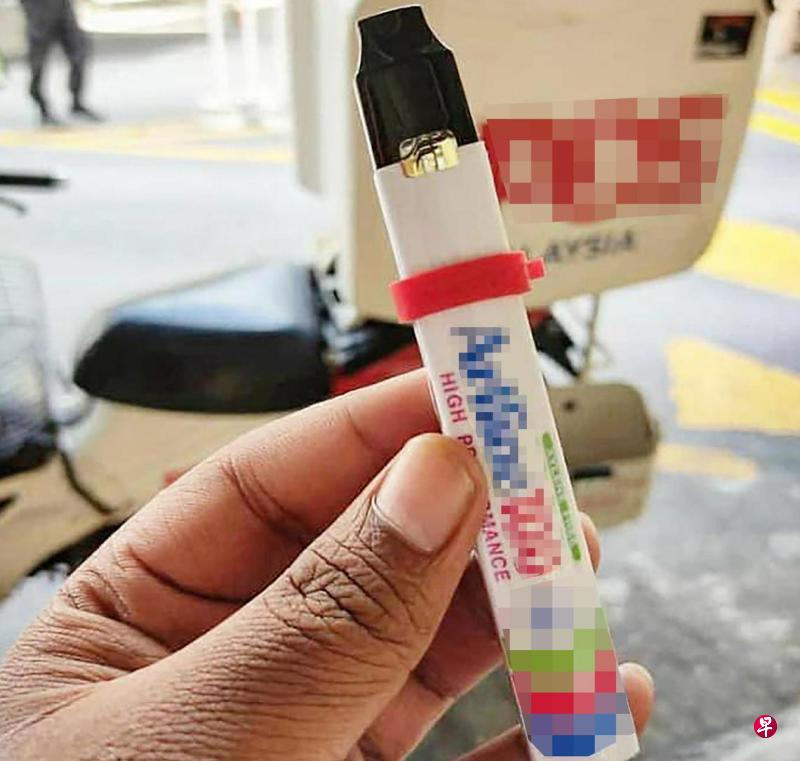
Modern e-cigarettes are intentionally built for hiding. For instance, they often resemble everyday items like USB drives (e.g., Juul), writing pens, highlighters, or lip balm tubes. Parents should therefore watch for unaccounted-for small devices around their teen’s space. Additionally, they should check for refillable pods or USB-C chargers that don’t match their teen’s electronics.

Noticeable Aromas and Masking Attempts

Most e-liquids feature strong, sweet scents. Common flavors include mint, berry, tropical fruit, or desserts. These aromas not only stick to clothing but also linger in bedrooms or cars. As a result, teens may frequently use breath mints, body spray, or air fresheners to cover the smell. Furthermore, they might open windows excessively or avoid close contact to hide the scent.

Disguised e-cigarette devices (USB drives, pens)
2. Behavioral Shifts and Increased Secrecy
Privacy Boundary Changes

Nicotine use often leads to sudden secretive behavior. For example, teens may spend excessive hours in bathrooms or bedrooms with doors locked. They may also avoid family meals or gatherings without a clear reason. Moreover, they might hide their phone screens when parents approach or switch apps quickly. Additionally, they may grow defensive or angry when asked about their whereabouts or activities.

Financial Anomalies

E-cigarettes and replacement pods come with recurring costs. Devices typically range from $15-$30, while pod packs cost $10-$15 each. Consequently, teens may ask for extra cash without a valid explanation. They may also steal loose change, borrow money frequently, or use parents’ payment methods without permission. Furthermore, they might hide receipts or avoid discussing how they spend their allowance.

3. Physiological and Cognitive Symptoms
Physical Health Red Flags

Nicotine and e-cigarette chemicals trigger distinct physical effects. Firstly, persistent dry cough or throat irritation is common, especially after waking up. Secondly, shortness of breath may occur during light activity due to respiratory inflammation. Additionally, teens may experience frequent headaches or dizziness from nicotine-induced blood pressure fluctuations. They might also complain of dry mouth or bad breath despite regular hygiene.

Mental and Sleep Disturbances

Sleep disturbances are a key indicator of teen vaping. For instance, teens may struggle with insomnia or wake up frequently during the night. They may also report vivid nightmares or restless sleep. Moreover, mood swings—such as unexplained irritability, anxiety, or sudden outbursts—often accompany nicotine use. Furthermore, parents may notice a decline in focus or memory, as nicotine impairs adolescent brain function.

Health effects of teen vaping (respiratory system)
4. Social Circles and Digital Footprints
Peer Group Shifts

Peer influence is the primary driver of teen e-cigarette use. According to the CDC (2023), 70% of users first try vaping in social settings. Parents should therefore watch for sudden shifts in their teen’s friend group. Specifically, new friends who avoid parental supervision or speak in code may be a red flag. Additionally, teens may start using vaping-related slang like “juuling,” “pod hits,” or “cloud chasing.”

Digital Clues on Social Media

Social media often reveals hidden vaping habits. For example, teens may like or follow e-cigarette brands such as Vuse, Elf Bar, or Geek Vape. They may also post photos or videos featuring vaping paraphernalia. Furthermore, they might join private online communities focused on e-cigarette modification or “cloud chasing.” Parents should also look for encrypted messaging apps, as teens may use them to coordinate vaping with friends.

Evidence-Based Parental Responses
  • Prioritize non-judgmental communication: Start with open-ended questions like “What do your friends think about vaping?” to encourage honest dialogue. Avoid scolding, as this may push teens to withdraw. Instead, share age-appropriate data from trusted sources like the FDA or CDC to highlight risks.
  • Build product literacy: Take time to learn about current e-cigarette designs and marketing tactics. For example, disposable devices are often brightly colored and flavored to appeal to teens. Use resources from FDA’s “This Is Our Watch” campaign to stay informed. Additionally, discuss how e-cigarette companies target young people with misleading ads.
  • Set clear, consistent rules: Establish firm policies against nicotine use in the home. Collaborate with schools to reinforce these rules, as many districts use evidence-based programs like “Truth Initiative.” Moreover, involve other caregivers (e.g., grandparents, teachers) to ensure consistency. If rules are broken, enforce calm, predictable consequences.
  • Seek professional support: If addiction is suspected, consult a pediatrician immediately. A certified tobacco treatment specialist can create a personalized cessation plan. Furthermore, FDA-approved nicotine replacement therapies (NRT) may be recommended for older teens. Support groups for teens and parents can also provide valuable guidance.

Adolescent brain development continues until age 25, which makes teens uniquely vulnerable to nicotine addiction. By recognizing these evidence-based warning signs, parents can act early to protect their children. Moreover, proactive, informed parenting—not just strict rules—plays a pivotal role in fighting the youth e-cigarette crisis. Ultimately, open communication and mutual trust are the strongest tools for guiding teens toward healthy choices.

Sources: FDA (2023); CDC National Youth Tobacco Survey (2023); American Medical Association (2022); American Academy of Pediatrics (2022)

No vapor from the e-cigarette in winter? The reason might be this.

HF005-intro-1

Step outdoors into crisp, frosty winter air. Take a deliberate draw from your electronic cigarette. You may encounter a faint, wispy vapor cloud that dissipates immediately. This frustration is common—even with a fully charged battery, new coil, and refilled tank. Before dismissing the device as defective, recognize the root cause: winter’s ambient conditions. Low temperatures and reduced humidity impact three key vaping components. Understanding these factors is essential to resolving the issue.

Electronic cigarette emitting minimal vapor in cold winter environments

Cold Air: A Primary Inhibitor of Vapor Formation

Let’s clarify a common misconception. E-cigarette “vapor” is not true water vapor. It is an aerosol—microscopic droplets of Vegetable Glycerin (VG), Propylene Glycol (PG), and flavorings suspended in air. This aerosol’s stability depends on temperature and humidity. Cold air is denser than warm air. It also holds far less moisture, limiting its ability to sustain suspended droplets.

Exhale warm, saturated aerosol into cold winter air. Instant condensation occurs. Microscopic droplets clump into larger, denser particles. These particles fall downward instead of forming a dense cloud. The process mirrors visible breath in cold conditions. It is more pronounced with vape aerosols, as users expect a robust, sustained cloud.

E-Liquid Viscosity: Critical for Wick Performance

Low temperatures impact more than exhaled vapor. They compromise the e-liquid inside your device. VG is the primary ingredient in high-vapor e-liquids. It is inherently viscous. As temperatures drop, its viscosity rises sharply. It transforms from a free-flowing liquid to a syrup-like substance with limited mobility.

Elevated viscosity challenges the atomizer’s wicking material. This material is engineered to carry e-liquid from the reservoir to the heating coil. Excessively viscous liquid cannot wick fast enough. It fails to match the coil’s heat output. The result is a “dry hit”—a burnt flavor with minimal vapor. Many users blame faulty coils. Often, it is cold-induced viscosity in the e-liquid.

Battery Degradation: Cold Weather’s Hidden Impact

Lithium-ion batteries power most modern e-cigarettes. They are inherently sensitive to low temperatures. Reduced temperatures slow internal electrochemical reactions. This leads to diminished capacity and poor discharge efficiency. Users may notice faster battery drain. They may also experience inconsistent power delivery.

Insufficient power prevents the coil from reaching optimal temperature. Efficient e-liquid vaporization requires this heat. Even with a saturated wick, a weak battery produces poor vapor. The effect is worse for high-wattage devices. These rely on consistent, high-current discharge for large clouds.

Technical infographic outlining winter electronic cigarette optimization strategies

5 Evidence-Based Winter Vaping Strategies

  • Maintain Device Temperature: Store your e-cig in an inner coat pocket. Use body heat to keep it warm. Avoid cold vehicles or outer pockets.
  • Adjust E-Liquid Blend: Switch from 70%+ VG to a 50/50 VG/PG mix in winter. PG is thinner and wicks better in cold.
  • Prime the Coil: After cold exposure, take 2-3 short, fire-free draws. This saturates the wick via capillary action.
  • Optimize Power Settings: Reduce wattage by 10-15 watts. Lower heat gives liquid more time to wick, preventing dry hits.
  • Protect Spare Batteries: Store external batteries in a warm, protective case. Cold batteries perform poorly when deployed.

Winter vaping doesn’t need compromised performance. Weak vapor in cold conditions is not device malfunction—it’s environmental response. Keep your device warm. Adjust e-liquid composition. Care for your battery. These steps match the vapor quality of warmer seasons. You’ll enjoy consistent, high-quality vaping even in frigid winter weather.

HNB vs. E-Atomization: Better Smoking Alternative?

HF005-intro-5

Traditional cigarette smoking has long been linked to severe health risks, from lung cancer to cardiovascular diseases, prompting the search for less harmful alternatives. In recent years, two technologies have emerged as leading contenders: Heat-Not-Burn (HNB) devices and electronic atomization (E-atomization) systems, commonly known as vapes. Both claim to reduce exposure to toxic substances compared to conventional cigarettes, but they differ significantly in design, functionality, and potential impacts. This analysis breaks down their key differences to help users make informed choices, focusing on health effects, user experience, and regulatory landscapes.

1. Core Mechanisms: Heat vs. Atomization

The fundamental distinction between HNB and E-atomization lies in how they deliver nicotine and flavor.

  • HNB Devices: These devices heat tobacco sticks or pods to temperatures between 300–350°C, just below the combustion point (which starts at ~600°C for cigarettes). This process releases nicotine, tobacco-derived flavors, and aerosols without burning the tobacco, reducing the production of tar and harmful combustion byproducts like benzene.
  • E-Atomization Systems: Vapes use a battery-powered heating coil to vaporize a liquid (often called “e-juice” or “vape juice”) containing nicotine, propylene glycol (PG), vegetable glycerin (VG), and food-grade flavors. The coil heats the liquid to 150–250°C, creating an aerosol (vapor) that users inhale. Unlike HNB, E-atomization does not involve tobacco at all.

2. Health Considerations: A Balanced View

Both alternatives are generally considered less harmful than traditional cigarettes, but they are not risk-free. Research highlights key differences in their health profiles:

  • HNB Risks: While HNB avoids tar, it still releases nicotine (a highly addictive substance) and small amounts of tobacco-specific nitrosamines (TSNAs)—carcinogens naturally present in tobacco. Studies by the World Health Organization (WHO) note that HNB aerosols also contain formaldehyde and acrolein, though at lower levels than cigarettes.
  • E-Atomization Risks: E-juice typically lacks tobacco-specific toxins, but concerns persist around coil materials (some release heavy metals like lead or nickel when heated) and certain flavoring chemicals (e.g., diacetyl, which can cause lung damage). Nicotine levels in e-juice vary widely, and accidental ingestion (especially by children) poses a poisoning risk.

3. User Experience: Convenience and Preference

Practical factors often influence user choice, and HNB and E-atomization cater to different preferences:

HNB Advantages:

  • Mimics the “smoking ritual” more closely (e.g., holding a tobacco stick, feeling heat), which appeals to long-term smokers.
  • Requires minimal maintenance—no need to refill e-juice; users simply replace tobacco pods.

E-Atomization Advantages:

  • Offers a wide range of flavors (e.g., mint, fruit, dessert), making it popular among younger users or those seeking variety.
  • Produces less odor (vapor dissipates quickly) and is often allowed in more public spaces than HNB or cigarettes.

4. Regulatory Landscape: Global Variations

Government regulations shape access to both products, with significant regional differences:

  • HNB: Banned in the European Union (EU) under the Tobacco Products Directive (TPD) due to health concerns, but legal in countries like Japan, South Korea, and the United States (with FDA authorization for specific products).
  • E-Atomization: Regulated more leniently in many regions, but the EU restricts nicotine levels in e-juice (max 20mg/mL). Some countries (e.g., India, Brazil) have banned vapes outright, while others (e.g., the U.S.) require FDA approval for new products.

Conclusion: No “One-Size-Fits-All” Answer

Neither HNB nor E-atomization is a “safe” alternative to smoking, but both reduce exposure to the most harmful components of traditional cigarettes. The better choice depends on individual priorities: HNB may suit smokers seeking a familiar tobacco experience, while E-atomization appeals to those wanting flavor variety and less odor. Ultimately, the goal for public health remains reducing nicotine addiction entirely—but for current smokers, these alternatives may offer a stepping stone toward harm reduction. As research and regulations evolve, users should stay informed to make choices aligned with their health goals.

E-cigarettes: A Comparison of Regulatory Policies Worldwide

HF005-intro-1

E-cigarettes have rapidly emerged as a popular alternative to traditional tobacco products, sparking global debates on their health impacts and regulatory needs. As countries grapple with balancing public health concerns with harm reduction potential, a diverse patchwork of policies has evolved worldwide. This article compares key regulatory approaches, highlighting variations in restrictions, advertising, and sales across regions. Understanding these differences is crucial for policymakers and consumers alike, as electronic nicotine delivery systems (ENDS) continue to shape smoking cessation trends and youth usage patterns.

E-cigarette device illustration

United States: FDA Oversight and State-Level Variations

In the United States, the Food and Drug Administration (FDA) regulates e-cigarettes as tobacco products under the Family Smoking Prevention and Tobacco Control Act. Key measures include pre-market authorization for new products, bans on sales to minors, and restrictions on flavored cartridges to curb youth appeal. However, state-level policies add complexity; for instance, some states impose additional taxes or flavor bans. The emphasis is on preventing underage use while allowing adult access for harm reduction, though ongoing litigation and research continue to shape regulations.

European Union: The Tobacco Products Directive (TPD)

The European Union adopts a harmonized approach through the TPD (Tobacco Products Directive), which sets baseline rules for all member states. Regulations include limits on nicotine concentration (e.g., 20 mg/mL), child-resistant packaging, and notification requirements for new products. Countries like the United Kingdom have integrated these into national law, while also promoting e-cigarettes as smoking cessation tools in public health campaigns. In contrast, nations such as Hungary enforce stricter advertising bans, reflecting regional disparities in risk perception.

Asia and Oceania: A Spectrum of Strictness

In Asia, policies vary widely. China, a major producer, has minimal regulations but prohibits sales to minors. Conversely, Japan classifies e-cigarettes as medicinal products, requiring approval for nicotine-containing devices. Australia takes a cautious stance, allowing only prescription-based access for nicotine e-cigarettes, emphasizing their role in smoking cessation under medical supervision. This contrasts with New Zealand’s more liberal approach, which encourages switching from combustible tobacco as part of its Smokefree 2025 goal.

Global regulation map for e-cigarettes

Conclusion: Toward Global Harmonization?

The global landscape of e-cigarette regulation reflects a tension between innovation and precaution. While some regions like the EU and US focus on evidence-based public health frameworks, others prioritize outright restrictions. Key challenges include addressing youth uptake, standardizing product safety, and leveraging data on long-term effects. As international bodies like the WHO advocate for tighter controls, future policies may converge toward greater harmonization, ensuring that harm reduction benefits are maximized without compromising societal well-being.

Vaping culture: Are we trapped in the smoke we inhale and exhale?

HF005-intro-1

What began as a promising tool for harm reduction has morphed into a complex global phenomenon. Vaping culture, with its own aesthetics, language, and social codes, is now a dominant force, particularly among younger generations. But as the clouds of vapor settle, a pressing question emerges: Are we trapped in the smoke we inhale and exhale?

A group of young people in an urban setting, with one person vaping

The social fabric of vaping: connection or a shared confinement?

The Allure of the Cloud: Freedom and Identity

The appeal of vaping culture is undeniable. For many, it represents a conscious choice away from traditional tobacco, perceived as a cleaner, more modern alternative. The very act of vaping is steeped in a narrative of freedom—freedom from the smell of smoke, from the stigma of cigarettes, and from the rigid constraints of the past.

Brands like Vapesky have capitalized on this, positioning their sleek devices and innovative flavors not just as products, but as accessories to a contemporary lifestyle. The culture thrives on community; online forums and local vape shops become hubs for enthusiasts to share tips, review new e-liquids, and bond over a shared interest. The vast array of flavors, from crisp mango to decadent dessert, offers a personalized experience, allowing users to curate their own sensory identity. In this light, the vapor cloud is a banner of self-expression.

The Invisible Walls: Dependency and Social Barriers

However, this sense of freedom may be an illusion. The very cloud one creates can become a gilded cage. The most obvious wall is nicotine dependency. Despite the absence of tar and many carcinogens, the highly addictive nature of nicotine remains, often in concentrations that can create a powerful physical and psychological reliance. The convenience of vaping anywhere, often indoors, can lead to constant, all-day use, deepening the dependency.

Socially, what starts as a community can transform into a clique, creating an invisible barrier between those who vape and those who don’t. The shared ritual, the specific jargon, and the culture itself can be exclusionary. Furthermore, the financial commitment to maintaining a vaping habit—constantly purchasing devices, coils, and premium e-liquids from suppliers like Vapesky—creates another form of entrapment. The user becomes locked into a cycle of consumption, funded by their own wallet.

A close-up of a person's face obscured by a dense cloud of vapor

The personal fog: a moment of reflection or a symbol of obscurity?

Navigating the Haze: A Call for Conscious Choice

So, are we trapped? The answer is not a simple yes or no. The culture offers both liberation and limitation. The way forward lies in conscious awareness. For users, it means honestly assessing their relationship with vaping. Is it a tool for harm reduction, a social activity, or a deepening addiction? Recognizing the potential for the “fortress” walls to close in is the first step to ensuring they remain gateways instead.

For the industry, including companies like Vapesky, responsibility is paramount. This means transparent marketing, promoting products to adult smokers seeking alternatives, and investing in research and education. The goal should be to empower user choice, not to foster dependency for profit.

Vaping culture is a double-edged sword. It can be a trend that empowers or a fortress that confines. The smoke we inhale and exhale is more than just water vapor; it’s a symbol of our choices. The ultimate question is whether we control the cloud, or whether we are content to simply be lost within it.