Tag Archives: 40k

VAPESKY Factory Tour: How E-Cigs Are Made

HF005-intro-1

For many consumers and brand partners, an e-cigarette’s journey remains a mystery. It starts with raw materials and ends as a finished product. However, stepping inside a modern e-cig factory reveals a structured process. This process balances precision engineering, strict safety standards, and efficient production. At VAPESKY’s facilities, every step focuses on consistent, compliant, high-performance products. In fact, this rigor sets industry leaders apart from generic manufacturers.

1. Raw Material Inspection & Preparation

To start with, production begins with rigorous raw material screening. VAPESKY sources food-grade plastic for cartridges and medical-grade stainless steel for heating elements. Additionally, we secure pharmaceutical-grade nicotine (where compliant) from vetted suppliers. Our team subjects every material batch to third-party lab tests; specifically, we check for purity and safety. We immediately reject non-compliant materials to avoid compromising subsequent processes.

This strict vetting aligns with VAPESKY’s premium e-cig component supply chain standards, ensuring no subpar materials enter production. Once materials pass inspection, we prepare them for manufacturing: we mold plastic into cartridge shells, cut metal parts to precise dimensions, and mix e-liquids in sealed, temperature-controlled tanks. This tank setup avoids contamination, while all preparation happens in ISO 8 cleanrooms to maintain hygiene and batch consistency. Furthermore, our team monitors cleanroom conditions to prevent external impurities from affecting raw material quality.
VAPESKY E-Cig Raw Material Inspection Lab - Quality Testing Process

2. Core Component Manufacturing

Next, we focus on core component manufacturing—atomizers (heating coils) and batteries—since these parts define an e-cigarette’s performance. VAPESKY uses automated machinery to wind heating coils to exact resistance levels, typically 1.0–1.8 ohms for mouth-to-lung devices. Our technicians test each coil for conductivity before moving it to the next stage; this step reduces defect rates to less than 0.5%. Moreover, automated winding ensures consistent coil quality across all production batches.

We also assemble lithium-ion batteries in dedicated lines and test them for capacity, voltage stability, and safety. Our team subjects every battery to short-circuit and overcharge testing to meet global standards like UL 1642. Notably, component quality is non-negotiable here: faulty batteries or coils cause most e-cig failures, so we never compromise on these critical parts. In addition, we document battery testing data to ensure traceability for regulatory compliance.

3. Assembly & Initial Testing

Moving on to assembly, automated lines bring all components together seamlessly. Precision dispensers fill cartridges with e-liquid to avoid overfilling, while robots attach atomizers to batteries and machines seal mouthpieces onto cartridges. For disposable e-cigarettes, the entire process runs fully automated; one line can produce 50,000 units per day. This efficiency aligns with VAPESKY’s factory production capacity benchmarks and meets high-volume market demands.

After assembly, each device undergoes initial testing: our technicians check vapor output, inspect for leakages, and test button responsiveness. We pull any device that fails this quick check for rework or disposal; only 100% functional units proceed to quality control. As a result, we maintain consistent quality across all production runs, and this initial screening significantly reduces QC workload later.
VAPESKY Automated E-Cig Assembly Line - High Precision Manufacturing

4. Quality Control & Certification

The QC stage serves as the final checkpoint before packaging. VAPESKY’s QC team samples 5% of each batch for intensive testing: we analyze vapor for harmful byproducts, run durability tests (including drop tests and water resistance checks), and verify compliance with labeling and nicotine content requirements. All tests adhere to VAPESKY’s e-cig quality control standards, which exceed global rules like TPD3 and PMTA. Additionally, random sampling ensures that even small production batches meet the same high standards.

We only award certification labels to passing batches. This stage ensures every outgoing e-cig meets safety, performance, and regulatory standards—critical for building trust with global customers. Without rigorous QC, we couldn’t maintain our reputation for reliability; thus, we never rush or simplify this step. Furthermore, we provide certification documents to clients to support their market entry processes.

5. Final Packaging & Distribution

Finally, certified e-cigarettes move to packaging lines, where we place them in child-resistant packaging—a requirement in most global markets. We customize packaging for regional needs: we add multilingual labels for the EU, include age-verification stickers for the U.S., and print local language warnings for Asia-Pacific. Additionally, we meet regional sustainability standards where applicable, using eco-friendly materials when permitted by regulations. For example, we incorporate recyclable packaging for markets that mandate it.

Once packaged, we palletize products and store them in temperature-controlled warehouses prior to shipping. VAPESKY’s logistics team coordinates with global freight partners to ensure timely delivery to distributors. We also maintain full compliance with customs and import regulations for each target market, preventing delays at border checkpoints. Ultimately, we transform raw materials into fully compliant, ready-to-sell e-cigarettes—proof of the precision that defines modern e-cig manufacturing.
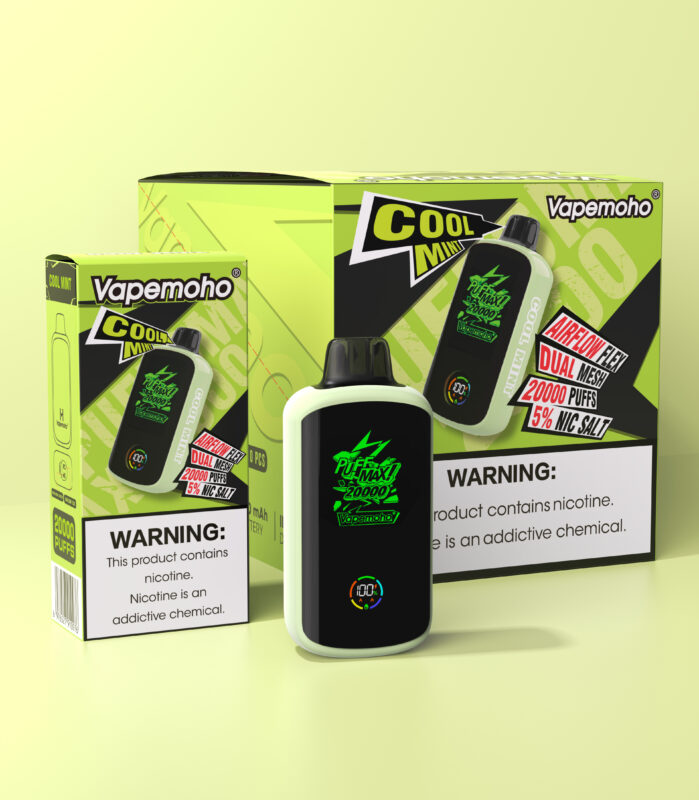
Branding & Packaging = E-Cig Manufacturing Success

magic mirror

In the competitive world of e-cigarettes, manufacturers must recognize that success goes beyond simply producing high-quality products. In fact, branding and packaging are just as crucial for standing out in a crowded market. Therefore, they play an essential role in shaping consumer perception. This article explains how branding and packaging contribute to e-cigarette manufacturing success, especially for a brand like Vapesky.

Vapesky E-Cigarette Manufacturing Facility
The Importance of Branding in E-Cigarette Manufacturing

In the e-cigarette industry, competition is incredibly fierce. As a result, having a distinctive brand identity helps products stand out and makes it easier for consumers to recognize your brand. For Vapesky, building a strong and recognizable identity is essential. Whether through a memorable logo, appealing colors, or a consistent message, branding builds trust and strengthens market presence. Moreover, with the right branding, Vapesky can position itself as a top choice among consumers seeking healthier alternatives.

Furthermore, branding communicates company values. It shows dedication to product quality, reliability, and customer satisfaction. Vapesky, for example, can emphasize sustainability, innovation, and user experience. These values appeal to consumers who are increasingly eco-conscious.

Packaging: The First Point of Contact with Consumers

Packaging is the first thing consumers notice when they encounter a new product. Consequently, it is not only a protective layer but also a branding asset. Attractive packaging captures attention and builds anticipation. It signals premium quality and quickly communicates value. For Vapesky, packaging that is both functional and visually appealing is essential for increasing product desirability.

In addition, packaging affects perceived value. Consumers often associate well-designed packages with superior quality. Thus, many are willing to pay more for products that offer aesthetic appeal and convenience. As a result, Vapesky’s packaging can help the brand stand out on store shelves and drive sales growth.

Vapesky E-Cigarette Packaging
Creating Memorable Packaging for E-Cigarette Products

Good packaging goes beyond visual appeal. It strengthens a consumer’s emotional connection to the product. For Vapesky, this means designing packaging that clearly communicates quality and reliability. Clear labels, readable instructions, and a user-friendly opening design all contribute to a better experience. Additionally, packaging must protect delicate components such as batteries, liquids, and coils from damage.

Moreover, sustainable packaging is becoming increasingly important. As consumers become more aware of environmental issues, biodegradable or recyclable materials provide a competitive advantage. Therefore, by adopting eco-friendly packaging, Vapesky can strengthen its reputation among environmentally responsible customers.

How Vapesky Can Leverage Branding & Packaging to Drive Success

To achieve e-cigarette manufacturing success, Vapesky should adopt a cohesive branding and packaging strategy. This strategy must reflect company values while appealing to target consumers. A strong brand identity builds trust, while well-designed packaging boosts perceived value. Together with high-quality devices, these elements can support long-term success in a highly competitive market.

Ultimately, electronic cigarette manufacturing success relies not only on performance but also on presentation. Therefore, investing in branding and packaging is essential for companies like Vapesky to thrive in a fast-evolving global market.

HNB vs. E-Atomization: Better Smoking Alternative?

HF005-intro-5

Traditional cigarette smoking has long been linked to severe health risks, from lung cancer to cardiovascular diseases, prompting the search for less harmful alternatives. In recent years, two technologies have emerged as leading contenders: Heat-Not-Burn (HNB) devices and electronic atomization (E-atomization) systems, commonly known as vapes. Both claim to reduce exposure to toxic substances compared to conventional cigarettes, but they differ significantly in design, functionality, and potential impacts. This analysis breaks down their key differences to help users make informed choices, focusing on health effects, user experience, and regulatory landscapes.

1. Core Mechanisms: Heat vs. Atomization

The fundamental distinction between HNB and E-atomization lies in how they deliver nicotine and flavor.

  • HNB Devices: These devices heat tobacco sticks or pods to temperatures between 300–350°C, just below the combustion point (which starts at ~600°C for cigarettes). This process releases nicotine, tobacco-derived flavors, and aerosols without burning the tobacco, reducing the production of tar and harmful combustion byproducts like benzene.
  • E-Atomization Systems: Vapes use a battery-powered heating coil to vaporize a liquid (often called “e-juice” or “vape juice”) containing nicotine, propylene glycol (PG), vegetable glycerin (VG), and food-grade flavors. The coil heats the liquid to 150–250°C, creating an aerosol (vapor) that users inhale. Unlike HNB, E-atomization does not involve tobacco at all.

2. Health Considerations: A Balanced View

Both alternatives are generally considered less harmful than traditional cigarettes, but they are not risk-free. Research highlights key differences in their health profiles:

  • HNB Risks: While HNB avoids tar, it still releases nicotine (a highly addictive substance) and small amounts of tobacco-specific nitrosamines (TSNAs)—carcinogens naturally present in tobacco. Studies by the World Health Organization (WHO) note that HNB aerosols also contain formaldehyde and acrolein, though at lower levels than cigarettes.
  • E-Atomization Risks: E-juice typically lacks tobacco-specific toxins, but concerns persist around coil materials (some release heavy metals like lead or nickel when heated) and certain flavoring chemicals (e.g., diacetyl, which can cause lung damage). Nicotine levels in e-juice vary widely, and accidental ingestion (especially by children) poses a poisoning risk.

3. User Experience: Convenience and Preference

Practical factors often influence user choice, and HNB and E-atomization cater to different preferences:

HNB Advantages:

  • Mimics the “smoking ritual” more closely (e.g., holding a tobacco stick, feeling heat), which appeals to long-term smokers.
  • Requires minimal maintenance—no need to refill e-juice; users simply replace tobacco pods.

E-Atomization Advantages:

  • Offers a wide range of flavors (e.g., mint, fruit, dessert), making it popular among younger users or those seeking variety.
  • Produces less odor (vapor dissipates quickly) and is often allowed in more public spaces than HNB or cigarettes.

4. Regulatory Landscape: Global Variations

Government regulations shape access to both products, with significant regional differences:

  • HNB: Banned in the European Union (EU) under the Tobacco Products Directive (TPD) due to health concerns, but legal in countries like Japan, South Korea, and the United States (with FDA authorization for specific products).
  • E-Atomization: Regulated more leniently in many regions, but the EU restricts nicotine levels in e-juice (max 20mg/mL). Some countries (e.g., India, Brazil) have banned vapes outright, while others (e.g., the U.S.) require FDA approval for new products.

Conclusion: No “One-Size-Fits-All” Answer

Neither HNB nor E-atomization is a “safe” alternative to smoking, but both reduce exposure to the most harmful components of traditional cigarettes. The better choice depends on individual priorities: HNB may suit smokers seeking a familiar tobacco experience, while E-atomization appeals to those wanting flavor variety and less odor. Ultimately, the goal for public health remains reducing nicotine addiction entirely—but for current smokers, these alternatives may offer a stepping stone toward harm reduction. As research and regulations evolve, users should stay informed to make choices aligned with their health goals.

E-cigarettes: A Comparison of Regulatory Policies Worldwide

HF005-intro-1

E-cigarettes have rapidly emerged as a popular alternative to traditional tobacco products, sparking global debates on their health impacts and regulatory needs. As countries grapple with balancing public health concerns with harm reduction potential, a diverse patchwork of policies has evolved worldwide. This article compares key regulatory approaches, highlighting variations in restrictions, advertising, and sales across regions. Understanding these differences is crucial for policymakers and consumers alike, as electronic nicotine delivery systems (ENDS) continue to shape smoking cessation trends and youth usage patterns.

E-cigarette device illustration

United States: FDA Oversight and State-Level Variations

In the United States, the Food and Drug Administration (FDA) regulates e-cigarettes as tobacco products under the Family Smoking Prevention and Tobacco Control Act. Key measures include pre-market authorization for new products, bans on sales to minors, and restrictions on flavored cartridges to curb youth appeal. However, state-level policies add complexity; for instance, some states impose additional taxes or flavor bans. The emphasis is on preventing underage use while allowing adult access for harm reduction, though ongoing litigation and research continue to shape regulations.

European Union: The Tobacco Products Directive (TPD)

The European Union adopts a harmonized approach through the TPD (Tobacco Products Directive), which sets baseline rules for all member states. Regulations include limits on nicotine concentration (e.g., 20 mg/mL), child-resistant packaging, and notification requirements for new products. Countries like the United Kingdom have integrated these into national law, while also promoting e-cigarettes as smoking cessation tools in public health campaigns. In contrast, nations such as Hungary enforce stricter advertising bans, reflecting regional disparities in risk perception.

Asia and Oceania: A Spectrum of Strictness

In Asia, policies vary widely. China, a major producer, has minimal regulations but prohibits sales to minors. Conversely, Japan classifies e-cigarettes as medicinal products, requiring approval for nicotine-containing devices. Australia takes a cautious stance, allowing only prescription-based access for nicotine e-cigarettes, emphasizing their role in smoking cessation under medical supervision. This contrasts with New Zealand’s more liberal approach, which encourages switching from combustible tobacco as part of its Smokefree 2025 goal.

Global regulation map for e-cigarettes

Conclusion: Toward Global Harmonization?

The global landscape of e-cigarette regulation reflects a tension between innovation and precaution. While some regions like the EU and US focus on evidence-based public health frameworks, others prioritize outright restrictions. Key challenges include addressing youth uptake, standardizing product safety, and leveraging data on long-term effects. As international bodies like the WHO advocate for tighter controls, future policies may converge toward greater harmonization, ensuring that harm reduction benefits are maximized without compromising societal well-being.

From Ashtrays to Fresh Air: My Personal Experience of the Spatial Transformation of E-Cigarettes

HK30-intro-1

The Before: A Home Clouded by Smoke and Ash

For over a decade, my living space had a constant, unwelcome companion: the lingering presence of traditional smoking. The scent of stale tobacco was woven into the very fabric of my home. My world was defined by ashtrays and a fine layer of ash. It was a battle I had accepted as lost, until my switch to the VAPESKY e-cigarette initiated a profound transformation that I could never have anticipated.

A cluttered ashtray filled with cigarette butts, symbolizing the old smoking life

The Old Reality: A space dominated by the mess and smell of traditional smoking.

The Constant Battle Against Odor and Residue

My home was never truly clean. No matter how much I dusted or aired out the rooms, the smell of cigarettes persisted. Visitors would notice it, a silent judgment in the air. The biggest casualty was my sense of comfort. My own home felt dirty and uninviting. The space was functionally mine, but aesthetically and sensorially, it was dominated by my habit.

The Turning Point: Embracing VAPESKY Technology

My decision to switch to the VAPESKY e-cigarette was initially about health, but the immediate benefits to my living environment were the most startling and rewarding part. The most dramatic change was the elimination of ash. Suddenly, my coffee table remained pristine. My keyboard was no longer a dust trap. The simple act of discarding an ashtray felt like a monumental decluttering of both my physical space and my mind.

The After: Reclaiming Fresh Air with VAPESKY

Within a few weeks, the stale tobacco smell began to fade, and it was eventually gone for good. For the first time, I could actually smell the fresh linen spray on my couches. The air itself felt lighter and cleaner. This newfound freshness, a direct result of using VAPESKY, gave me a renewed sense of pride in my home. I felt comfortable inviting friends over without a pre-emptive apology for the smell.

A bright and clean modern living room, showcasing the fresh air after switching to VAPESKY

The New Reality: A bright, clean, and welcoming living space, thanks to VAPESKY.

Redecorating with Confidence

With the assurance that my VAPESKY device wouldn’t damage my surroundings, I finally felt confident to invest in my living space. I replaced the heavy, odor-trapping curtains with light, airy ones. I purchased a light-colored sofa without worrying about it turning yellow. My home began to reflect my true taste, not just the limitations of my previous habit.

A Transformation Beyond the Physical

This transformation was more than just an upgrade in air quality. It was a psychological shift. My home became a true sanctuary—a place of relaxation and clarity, not a source of secret shame. The absence of constant reminders of my habit created a more peaceful mental environment. The switch to the VAPESKY system wasn’t just about replacing one nicotine delivery system with another; it was about choosing a lifestyle that allowed my personal space to breathe and thrive.

Conclusion: A Space Transformed by VAPESKY

The journey from ashtrays to fresh air has been one of the most positive changes I’ve ever made for my living situation. The VAPESKY e-cigarette was the catalyst that allowed this spatial transformation to occur. It liberated my home from the grips of ash and odor, returning it to a state of cleanliness and tranquility I hadn’t experienced in years. My living space is no longer defined by smoke; it is now defined by freshness and freedom, thanks to VAPESKY.