
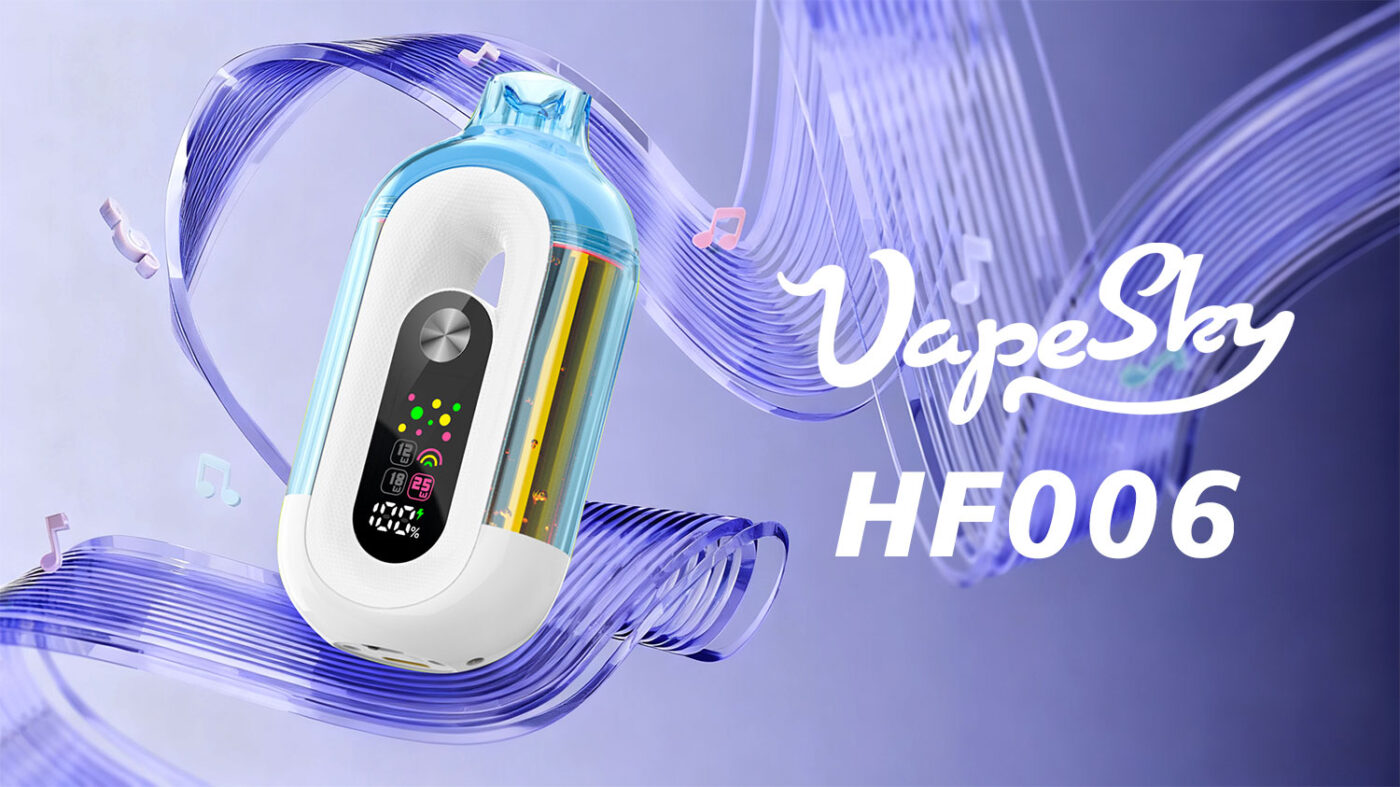
The vaping landscape features technical complexity and a wide range of devices. However, every electronic cigarette’s operational core relies on three fundamental components working in intricate harmony. Known as the “Iron Triangle” of vaping, the Atomizer, E-liquid, and Main Unit form a tightly interdependent system. Each component’s performance directly shapes the whole device’s functionality and output. To optimize your vaping experience, you must first understand this synergy.
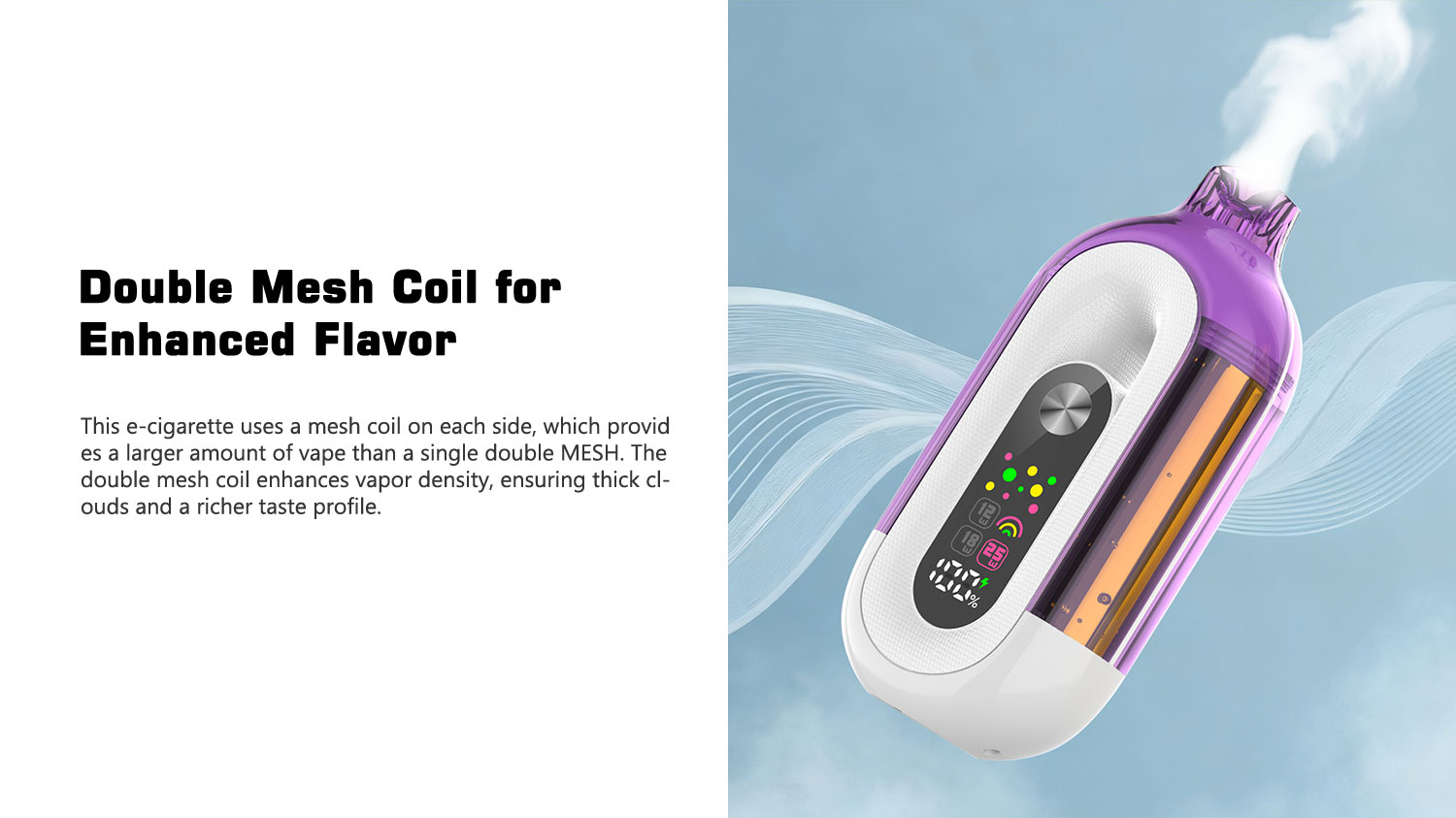
Figure 1: The core components of the vaping “Iron Triangle”
The Power and Control Center: The Main Unit
The Main Unit (or mod) acts as the system’s power source and primary regulator. It is more than a simple battery; it functions as a central processing unit that governs performance through two key functions: power delivery and user control.
- Power Output (Wattage/Voltage): This parameter controls the energy sent to the atomizer coil. Lower settings produce cooler vapor and milder flavor. Higher settings, by contrast, create denser vapor, richer flavors, and a warmer sensation.
- Temperature Control (TC): This advanced mode lets you set a precise maximum temperature for the coil. It prevents dry hits (burning the wick without e-liquid), boosts e-liquid efficiency, and ensures consistent vapor quality throughout use.
Synergy here is critical: high-performance, low-resistance coils need a capable, high-drain battery to work properly. On the other hand, high-resistance coils may underperform or get damaged if paired with a main unit set to excessive power. The main unit thus provides the exact operational parameters the atomizer needs to follow.
The Vaporization Engine: The Atomizer
The atomizer serves as the engine that transforms liquid into vapor. Its core functionality depends on two sub-components: the heating coil and the wicking material.
- The Coil: Manufacturers wind resistance wire (such as Kanthal, Nichrome, or stainless steel) into specific configurations. When electrical current from the main unit passes through the coil, it heats up rapidly via resistance.
- The Wick: Usually made of organic cotton or specialized fibers, the wick draws e-liquid from the reservoir via capillary action. It then saturates the coil surface for even vaporization.
The atomizer coil’s electrical resistance (measured in ohms, Ω) is a key factor in system synergy. Sub-ohm coils (below 1.0 ohm) are designed for high-power use and heavy vapor production. They require a compatible high-output main unit and high-VG e-liquid. Conversely, higher-resistance coils work best with lower power settings and restricted airflow. They are often paired with nicotine salt e-liquids.
The Consumable Medium: The E-Liquid
E-liquid is the consumable that delivers flavor, nicotine, and the physical base for vapor. Its chemical composition—specifically the ratio of Propylene Glycol (PG) to Vegetable Glycerin (VG)—is critical for compatibility and performance.
- PG (Propylene Glycol): This thinner fluid carries flavor more effectively. It also provides a pronounced “throat hit” that mimics the sensation of smoking.
- VG (Vegetable Glycerin): This thicker, denser fluid produces voluminous vapor clouds. It also adds a mild, natural sweetness.
Compatibility is essential here. A high-PG e-liquid (e.g., 50% PG / 50% VG) works well with low-wattage, high-resistance devices. It delivers a sharp throat hit and clear flavor. However, its low viscosity can cause leaking and harsh throat sensations if used in a high-power sub-ohm tank. High-VG e-liquids (e.g., 30% PG / 70% VG or Max VG) have higher viscosity. They are engineered for sub-ohm atomizers, reducing leakage and vaporizing efficiently to create dense clouds. Choosing the wrong e-liquid for your hardware is a top cause of poor performance.
Achieving Synergy: The Harmonized System
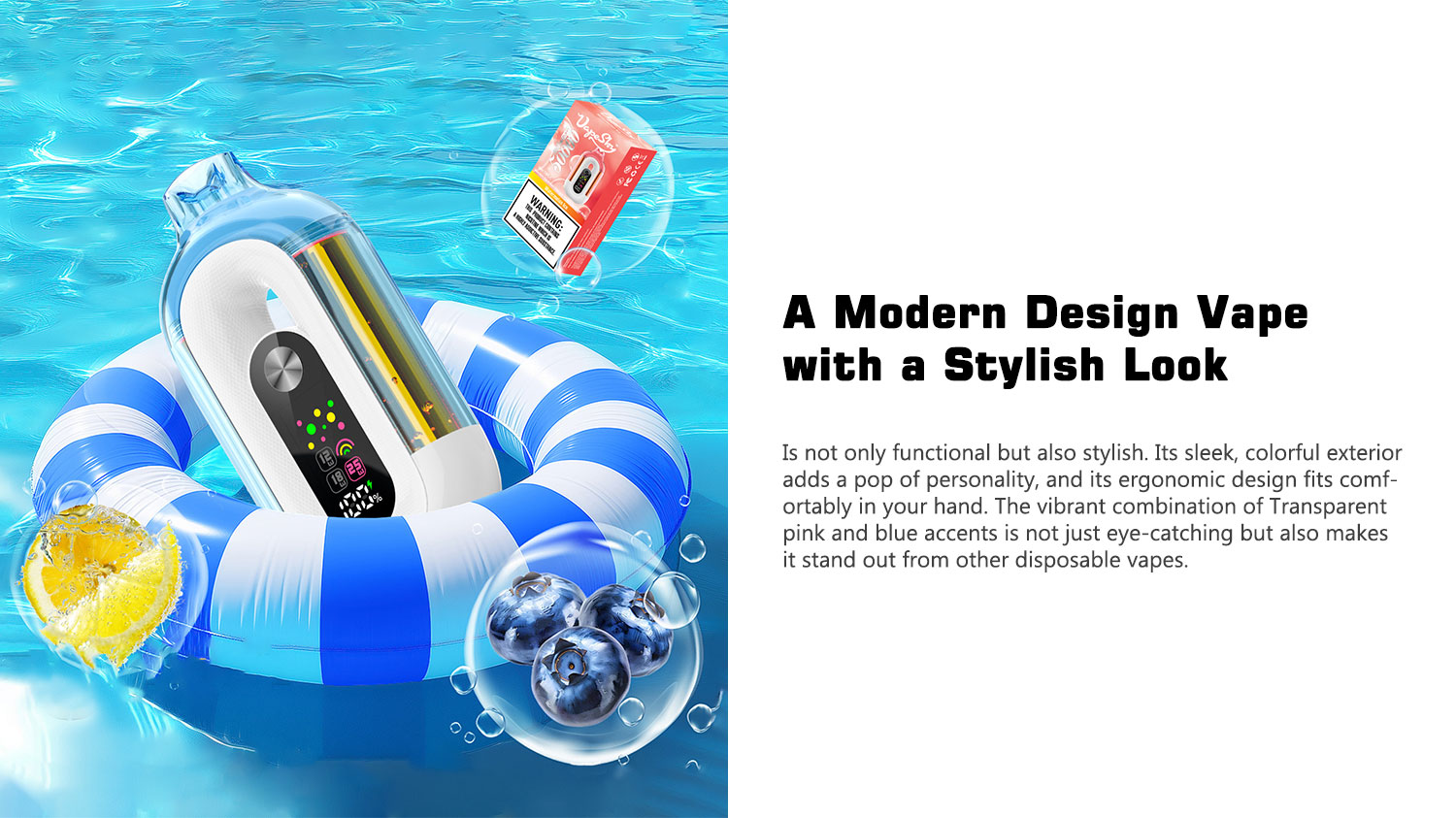
Figure 2: How the three components work in harmony to produce vapor
The ultimate goal is to calibrate all three components to work together. For example, consider this targeted configuration:
- Objective: Balanced vapor production with rich flavor and moderate nicotine.
- Optimized Configuration: A main unit set to 50W, a sub-ohm atomizer with a 0.4-ohm coil, and 70% VG / 30% PG e-liquid with 6mg nicotine.
In this balanced state, each component operates within its ideal parameters, supported by the others. The main unit delivers stable power. The atomizer efficiently vaporizes the well-formulated e-liquid. The e-liquid itself wicks effectively, preventing dry hits while delivering great flavor and sensation.
In summary, viewing an e-cigarette as a single device is a mistake. It is a sophisticated, synergistic system: the Main Unit provides directive power, the Atomizer executes vaporization, and the E-liquid acts as the functional medium. A weakness in any one element will compromise the entire system. By understanding the interdependent relationships in this “Iron Triangle,” you can move from passive use to informed mastery of your vaping experience.