Tag Archives: 2ml

VAPESKY Factory Tour: How E-Cigs Are Made

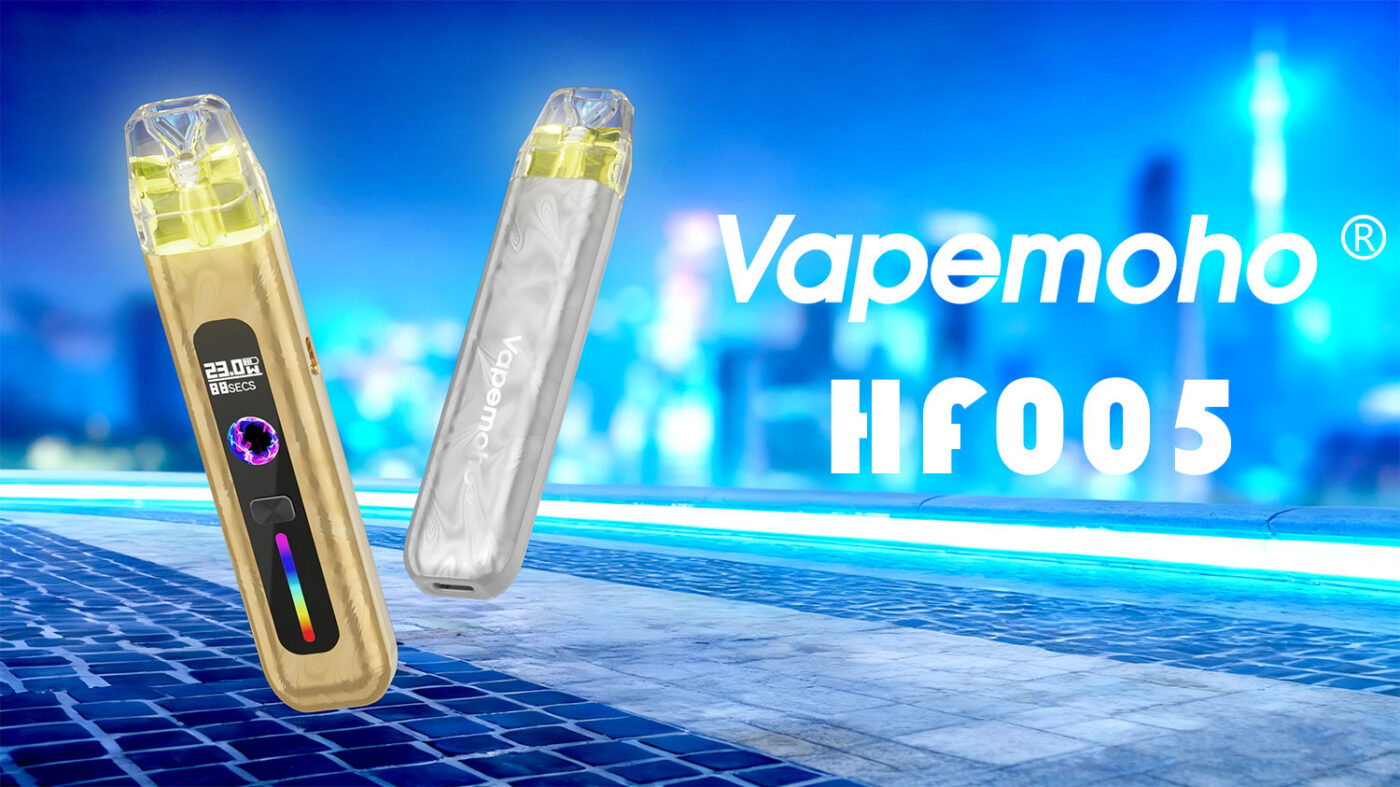
HF005-intro-1

For many consumers and brand partners, an e-cigarette’s journey remains a mystery. It starts with raw materials and ends as a finished product. However, stepping inside a modern e-cig factory reveals a structured process. This process balances precision engineering, strict safety standards, and efficient production. At VAPESKY’s facilities, every step focuses on consistent, compliant, high-performance products. In fact, this rigor sets industry leaders apart from generic manufacturers.

1. Raw Material Inspection & Preparation

To start with, production begins with rigorous raw material screening. VAPESKY sources food-grade plastic for cartridges and medical-grade stainless steel for heating elements. Additionally, we secure pharmaceutical-grade nicotine (where compliant) from vetted suppliers. Our team subjects every material batch to third-party lab tests; specifically, we check for purity and safety. We immediately reject non-compliant materials to avoid compromising subsequent processes.

This strict vetting aligns with VAPESKY’s premium e-cig component supply chain standards, ensuring no subpar materials enter production. Once materials pass inspection, we prepare them for manufacturing: we mold plastic into cartridge shells, cut metal parts to precise dimensions, and mix e-liquids in sealed, temperature-controlled tanks. This tank setup avoids contamination, while all preparation happens in ISO 8 cleanrooms to maintain hygiene and batch consistency. Furthermore, our team monitors cleanroom conditions to prevent external impurities from affecting raw material quality.
VAPESKY E-Cig Raw Material Inspection Lab - Quality Testing Process

2. Core Component Manufacturing

Next, we focus on core component manufacturing—atomizers (heating coils) and batteries—since these parts define an e-cigarette’s performance. VAPESKY uses automated machinery to wind heating coils to exact resistance levels, typically 1.0–1.8 ohms for mouth-to-lung devices. Our technicians test each coil for conductivity before moving it to the next stage; this step reduces defect rates to less than 0.5%. Moreover, automated winding ensures consistent coil quality across all production batches.

We also assemble lithium-ion batteries in dedicated lines and test them for capacity, voltage stability, and safety. Our team subjects every battery to short-circuit and overcharge testing to meet global standards like UL 1642. Notably, component quality is non-negotiable here: faulty batteries or coils cause most e-cig failures, so we never compromise on these critical parts. In addition, we document battery testing data to ensure traceability for regulatory compliance.

3. Assembly & Initial Testing

Moving on to assembly, automated lines bring all components together seamlessly. Precision dispensers fill cartridges with e-liquid to avoid overfilling, while robots attach atomizers to batteries and machines seal mouthpieces onto cartridges. For disposable e-cigarettes, the entire process runs fully automated; one line can produce 50,000 units per day. This efficiency aligns with VAPESKY’s factory production capacity benchmarks and meets high-volume market demands.

After assembly, each device undergoes initial testing: our technicians check vapor output, inspect for leakages, and test button responsiveness. We pull any device that fails this quick check for rework or disposal; only 100% functional units proceed to quality control. As a result, we maintain consistent quality across all production runs, and this initial screening significantly reduces QC workload later.
VAPESKY Automated E-Cig Assembly Line - High Precision Manufacturing

4. Quality Control & Certification

The QC stage serves as the final checkpoint before packaging. VAPESKY’s QC team samples 5% of each batch for intensive testing: we analyze vapor for harmful byproducts, run durability tests (including drop tests and water resistance checks), and verify compliance with labeling and nicotine content requirements. All tests adhere to VAPESKY’s e-cig quality control standards, which exceed global rules like TPD3 and PMTA. Additionally, random sampling ensures that even small production batches meet the same high standards.

We only award certification labels to passing batches. This stage ensures every outgoing e-cig meets safety, performance, and regulatory standards—critical for building trust with global customers. Without rigorous QC, we couldn’t maintain our reputation for reliability; thus, we never rush or simplify this step. Furthermore, we provide certification documents to clients to support their market entry processes.

5. Final Packaging & Distribution

Finally, certified e-cigarettes move to packaging lines, where we place them in child-resistant packaging—a requirement in most global markets. We customize packaging for regional needs: we add multilingual labels for the EU, include age-verification stickers for the U.S., and print local language warnings for Asia-Pacific. Additionally, we meet regional sustainability standards where applicable, using eco-friendly materials when permitted by regulations. For example, we incorporate recyclable packaging for markets that mandate it.

Once packaged, we palletize products and store them in temperature-controlled warehouses prior to shipping. VAPESKY’s logistics team coordinates with global freight partners to ensure timely delivery to distributors. We also maintain full compliance with customs and import regulations for each target market, preventing delays at border checkpoints. Ultimately, we transform raw materials into fully compliant, ready-to-sell e-cigarettes—proof of the precision that defines modern e-cig manufacturing.
Cigarettes to E-Cigarettes: Nicotine Addiction or Mental Craving—What’s Hard to Quit?

Cigarettes to E-Cigarettes: Nicotine Addiction or Mental Craving—What’s Hard to Quit?

The Shift from Cigarettes to E-Cigarettes

Over the past decade, millions have swapped traditional cigarettes for e-cigarettes. Many hope they’re safer; others, meanwhile, see them as a step toward quitting. But a harsh truth remains: breaking the habit is still a struggle—whether with a cigarette or a vape pen.

The Core Question

So, why is quitting so hard? Is it nicotine’s physical grip—the brain’s dependence on this stimulant? Or is it mental craving—the habits, emotions, and rituals that outlast physical withdrawal? To find out, we need to explore how these two forces interact and reinforce each other.

Side-by-side comparison of a traditional cigarette and an e-cigarette, showing differences in design
Figure 1: VAPESKY HF001 Equipment Exhibition Area.

Nicotine: The Biological Anchor of Addiction

How Nicotine Hooks the Brain

Rapid Impact on the Brain

Nicotine is tobacco’s key addictive chemical. Specifically, when inhaled—from a cigarette or vape—it reaches the brain in 10–20 seconds. It then binds to receptors called nAChRs in the brain’s reward center, which in turn triggers a release of dopamine, a “feel-good” neurotransmitter.

Building Tolerance and Dependence

Over time, the brain adapts to repeated nicotine exposure. Consequently, it needs more nicotine to achieve the same rewarding effect—a process known as tolerance. This adaptation ultimately creates physical dependence: when nicotine levels drop, withdrawal symptoms follow, such as irritability, poor focus, and intense cravings.

Research Insight: A 2023 study in Addiction tracked 1,200 vapers for 18 months. It found 60% showed clear signs of nicotine dependence. Additionally, 42% reported needing higher nicotine doses over time, while 38% felt irritable or unfocused when reducing their usage.

E-Cigarettes Don’t Escape Nicotine’s Grip

Notably, e-cigarettes do not eliminate nicotine dependence—they merely change the delivery method. Many e-liquids contain 24–50 mg/mL of nicotine, which is significantly more than the 10–12 mg/mL average in a typical cigarette.

This creates a critical paradox: users may switch to vapes to reduce harm from tar and carcinogens, yet they often remain hooked on nicotine. Even though the delivery method changes, the biological hold of nicotine persists.

Diagram showing nicotine molecules binding to brain receptors and triggering dopamine release
Figure 2:VAPESKY HF001 Equipment Exhibition Area

Mental Craving: The Behavioral and Emotional Hold

Habits and Rituals: More Than Nicotine

Mental craving is fundamentally different from physical dependence, as it’s rooted in learned behaviors rather than chemistry. For example, it’s tied to daily rituals: the post-meal smoke, the morning vape, or the work-break pause. These actions become ingrained habits that the brain links to comfort and reward.

Even when nicotine levels are low, these rituals trigger powerful cravings. The brain learns to associate specific actions with relief, so it craves the behavior itself—not just the chemical in nicotine.

Emotions and Social Triggers

Beyond daily rituals, emotions play a pivotal role in mental craving. Stress, boredom, or loneliness often spark an urgent urge to smoke or vape. In fact, a 2022 APA survey found 78% of ex-smokers who switched to vapes cited “stress relief” as a top motivation.

Social settings also amplify mental craving. Group smoking or vaping fosters a sense of belonging, so people may crave the activity as much as the nicotine itself—simply to fit in with peers.

Why Behavioral Cravings Last

Furthermore, psychological triggers are often harder to shake than physical dependence. For instance, users may successfully switch to nicotine-free vape juice, yet they still reach for the device out of habit.

This is what experts call “behavioral addiction.” The body no longer needs nicotine, but the mind still craves the routine, the hand-to-mouth motion, and the emotional comfort of the habit.

The Interplay: Why They Feed Each Other

A Vicious Cycle

Nicotine dependence and mental craving do not operate in isolation; instead, they reinforce each other in a vicious cycle. When nicotine levels drop, withdrawal makes emotions raw and stress harder to handle. As a result, people reach for the smoking or vaping habit to cope with these uncomfortable feelings.

The reverse is also true: seeing a vape pen, passing a smoking spot, or encountering a ritualistic cue triggers mental cravings. These cues then intensify the brain’s desire for nicotine, pulling users back into the cycle.

Why Quitting Fails

This interconnected cycle explains why so many quit attempts fail. For example, someone might quit nicotine cold turkey but relapse due to unaddressed habit triggers. Alternatively, another person might break the ritual but start again to ease withdrawal symptoms.

In short, addressing only one factor is insufficient. Both the body’s physical need for nicotine and the mind’s emotional attachment to habits must be tackled simultaneously.

Breaking Free: A Dual Approach

Tackling Nicotine Dependence

  • First, use nicotine replacement therapy (patches, gum) to wean off gradually and reduce withdrawal.
  • Second, try prescription medications like varenicline to block nicotine’s effects on the brain.
  • Finally, lower e-liquid nicotine concentrations step-by-step (e.g., 24mg → 12mg → 6mg → 0mg).

Overcoming Mental Craving

  • Start by tracking triggers (when and where cravings hit) with a journal to identify patterns.
  • Next, use mindfulness or deep breathing to manage stress without smoking or vaping.
  • Additionally, replace rituals: chew gum, sip water, or take a short walk during usual smoking times.
  • Lastly, seek social support from counselors, support groups, or a friend who has successfully quit.

So, what’s harder to quit? Ultimately, it depends on the individual. For some, nicotine’s physical hold is the strongest barrier. For others, mental cravings persist long after the body no longer needs nicotine.

Regardless of which force is more powerful, the key is recognizing their interdependence. By addressing both the body’s dependence and the mind’s habits—through a combination of medical support and behavioral change—anyone can break free, whether they’re transitioning from cigarettes to vapes or quitting entirely.

E-Cigarettes: Essential Key Points You Must Know

HF009 Poster

E-Cigarettes: Essential Key Points You Must Know

E-cigarettes are growing in popularity globally, especially among young adults and former smokers. Grasping their core facts is increasingly critical. These key points will help you make informed decisions about e-cigarette use.

E-Cigarette Structure and Operational Principles

1. What Are E-Cigarettes and How Do They Work?

E-cigarettes are battery-operated devices. They heat a liquid—commonly called e-juice or vape juice—to produce an aerosol. The user then inhales this aerosol.

Unlike conventional cigarettes, they don’t burn tobacco. But most e-juices contain nicotine, a highly addictive psychoactive substance. The liquid also includes flavorings, propylene glycol, vegetable glycerin and other chemicals.

Common types include disposables, pod systems and advanced personal vaporizers (mods). Their designs vary, but all follow the same basic principle. They heat e-juice to create vapor that mimics smoking’s sensory experience.

2. Health Risks and Safety Concerns

E-cigarettes are often marketed as a “safer alternative” to traditional cigarettes. But they are not risk-free.

The aerosol can contain harmful substances. These include heavy metals like lead and nickel, formaldehyde (a known carcinogen) and ultrafine particles. These particles penetrate deep into the respiratory system.

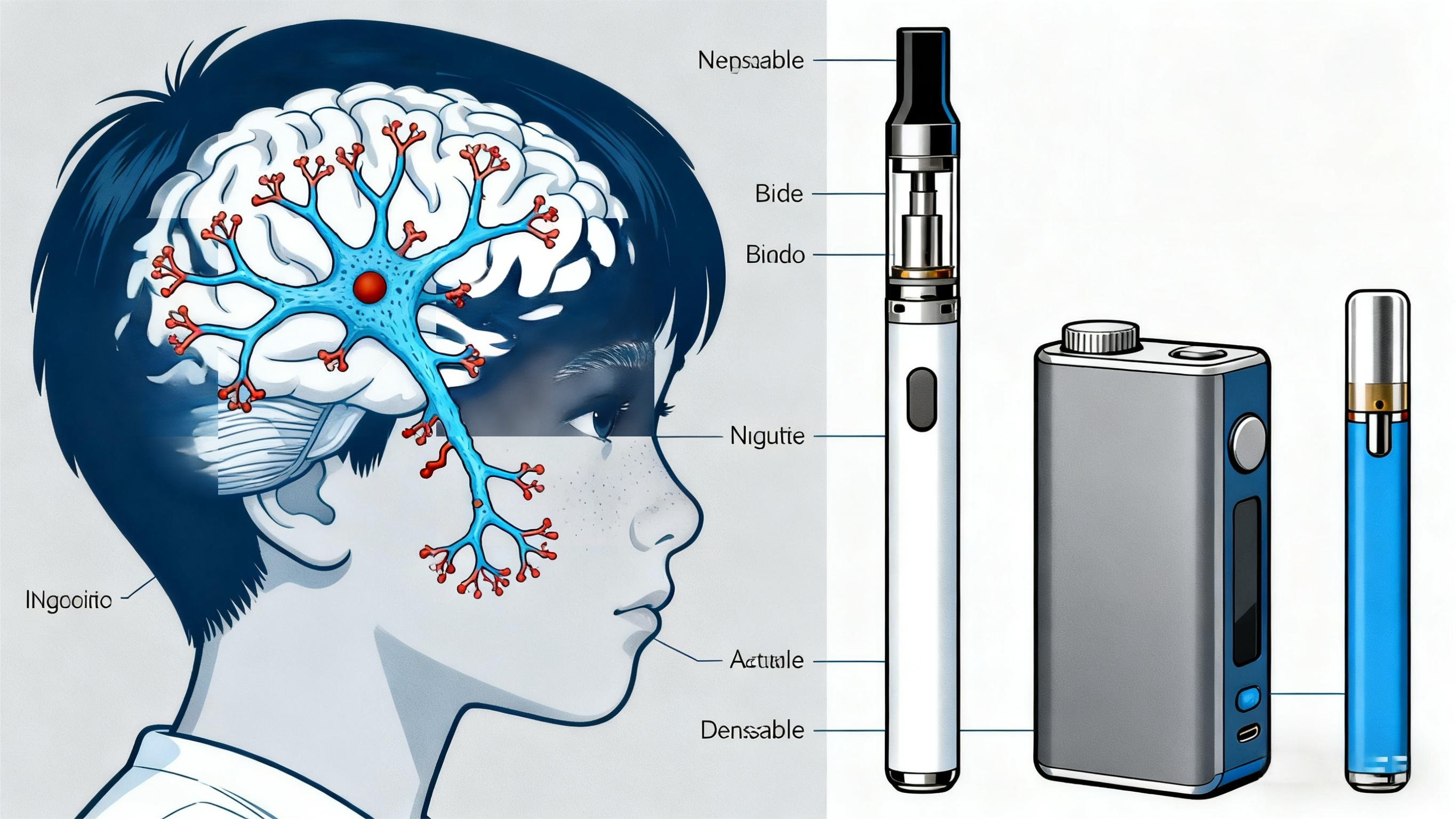
Nicotine is particularly dangerous for adolescents and young adults. It impairs brain development, affecting cognitive function and behavioral regulation.

Other risks include EVALI (e-cigarette or vaping product use-associated lung injury). This is often linked to vitamin E acetate in black-market e-juices. Nicotine poisoning—especially in children who ingest e-juice—is another hazard. Addiction is also a major concern.

Long-term health effects are still being studied. But emerging research links e-cigarettes to chronic respiratory and cardiovascular diseases.

Global E-Cigarette Regulatory Frameworks and Age Restrictions

3. Regulatory Status and Age Restrictions

E-cigarette regulations vary greatly by country and region. In the US, the FDA classifies them as tobacco products. The federal minimum purchase age is 21.

Many nations have banned flavored e-juices (excluding tobacco). This is to reduce appeal among youth. Others restrict sales in public spaces or require child-resistant packaging.

Always check local legislation before buying or using e-cigarettes. Many regions mandate prominent health warnings on packaging. Import restrictions may apply to ensure safety standards.

Some jurisdictions ban e-cigarette use in enclosed public areas. This aligns with existing smoke-free policies.

4. Myths vs. Facts About E-Cigarettes

Myth: E-cigarettes are effective smoking cessation tools. Fact: Some adult smokers use them for harm reduction. But the FDA has only approved a small number as cessation aids.

Myth: “Vaping is harmless.” Fact: This is scientifically untrue. The aerosol contains toxic and potentially carcinogenic chemicals.

Key facts to remember: E-cigarettes are highly addictive. They are not safe for non-smokers. Minors (under 18 or 21, depending on the region) should never use them.

They are not a guaranteed way to quit smoking. Using e-cigarettes alongside traditional cigarettes worsens health risks.

Conclusion

Understanding these essential key points about e-cigarettes is vital. It helps safeguard your health and supports responsible choices.

Whether you’re a current user, considering trying them or a concerned parent, evidence-based knowledge is key. It helps navigate the complex world of e-cigarette use.

Prioritize information from reputable health authorities like the FDA or WHO. Follow regional regulations for safe, legal use. Informed decision-making protects your well-being amid evolving nicotine products.

E-Liquid VG/PG: Understand to Choose Right

017-mobile-banner

For vapers, E-Liquid VG/PG are ubiquitous terms on product bottles—but few fully comprehend how these two core ingredients define their vaping experience. Overlooking their role often leads to lackluster results: overly dry throats, thin vapor, or muted flavor. Understanding them (Vegetable Glycerin and Propylene Glycol) isn’t just technical knowledge; it’s the foundation for choosing an e-liquid that aligns with your device, preferences, and comfort.

What Are E-Liquid VG/PG? Core Definitions

These two base liquids form the backbone of all e-liquids, and their properties directly shape every aspect of your vape:

E-Liquid VG/PG Core Ingredients

VAPESKY HF017 Equipment Display

  • Vegetable Glycerin (VG): A plant-derived component: odorless, naturally sweet, and thick. It’s prized for producing dense, voluminous vapor clouds.
  • Propylene Glycol (PG): The synthetic counterpart: flavorless, thin, and exceptional at carrying flavor molecules while delivering a smooth throat hit.

Ratios: How They Impact Your Vape

The ratio of VG to PG dictates three key elements: vapor production, flavor intensity, and throat hit. Choosing the right balance hinges entirely on your device and personal preferences:

High VG (70% VG/30% PG or Higher)

Ideal for sub-ohm devices (low resistance, high wattage) and cloud chasers. This blend delivers thick, billowing vapor and a mild, sweet throat hit. While vapor production is prioritized, flavor may be slightly softer due to VG’s viscosity— a tradeoff many cloud enthusiasts embrace. It works best with devices that require ample liquid flow to prevent dry hits.

High PG (60% PG/40% VG or Higher)

Tailored for pod systems, pen-style vapes, or mouth-to-lung (MTL) devices—setups that mimic the tight draw of a cigarette. This ratio leverages PG’s thin consistency to carry flavor with precision, resulting in crisp, vivid taste. It also delivers a satisfying throat hit, a key preference for former smokers. Note: High PG may irritate sensitive throats or cause dry mouth in some users.

50/50: The Versatile Middle Ground

Perfect for beginners or vapers who want balance. A 50/50 blend offers moderate vapor, decent flavor clarity, and a gentle throat hit. It adapts seamlessly to most devices—from basic pods to entry-level sub-ohm kits—making it a low-risk choice for those still exploring their preferences.

E-Liquid VG/PG Ratio Comparison

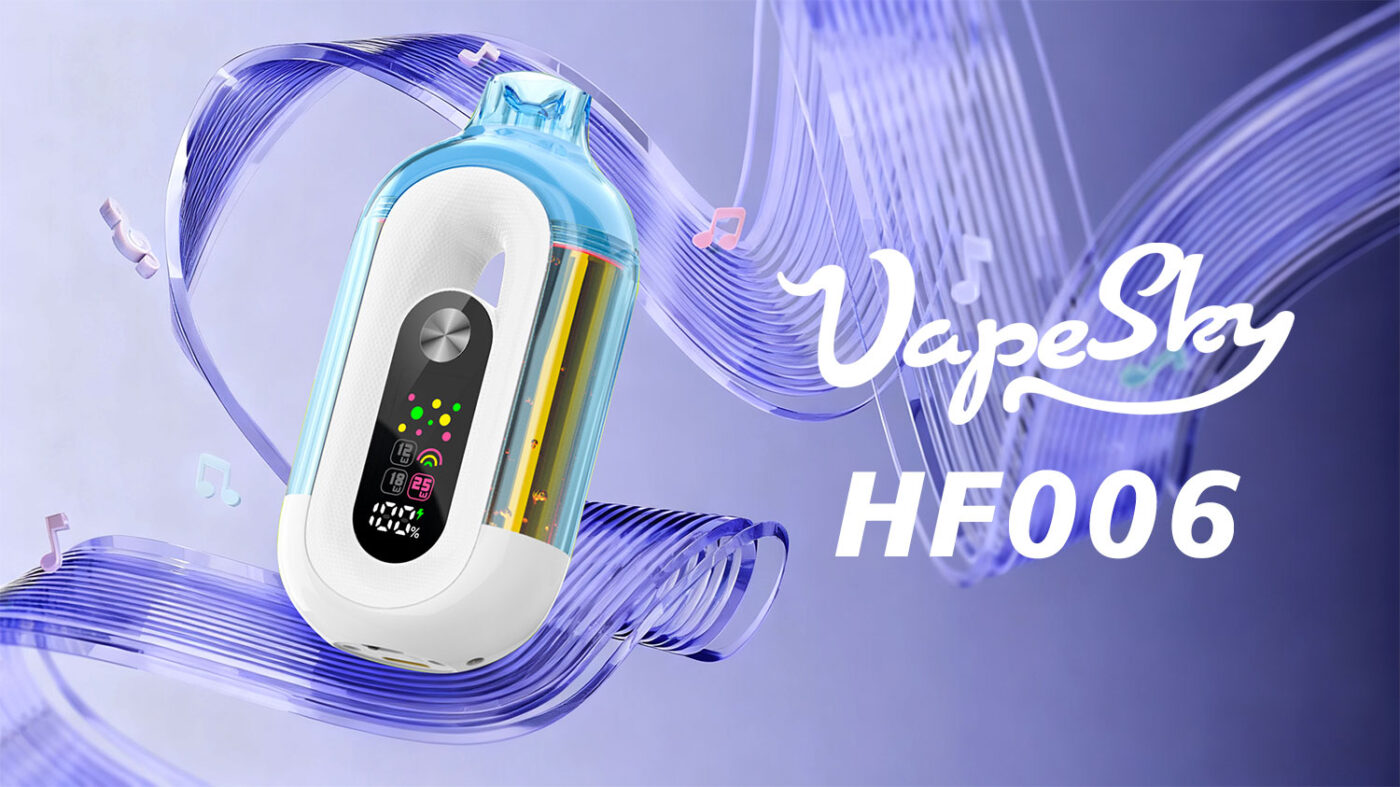
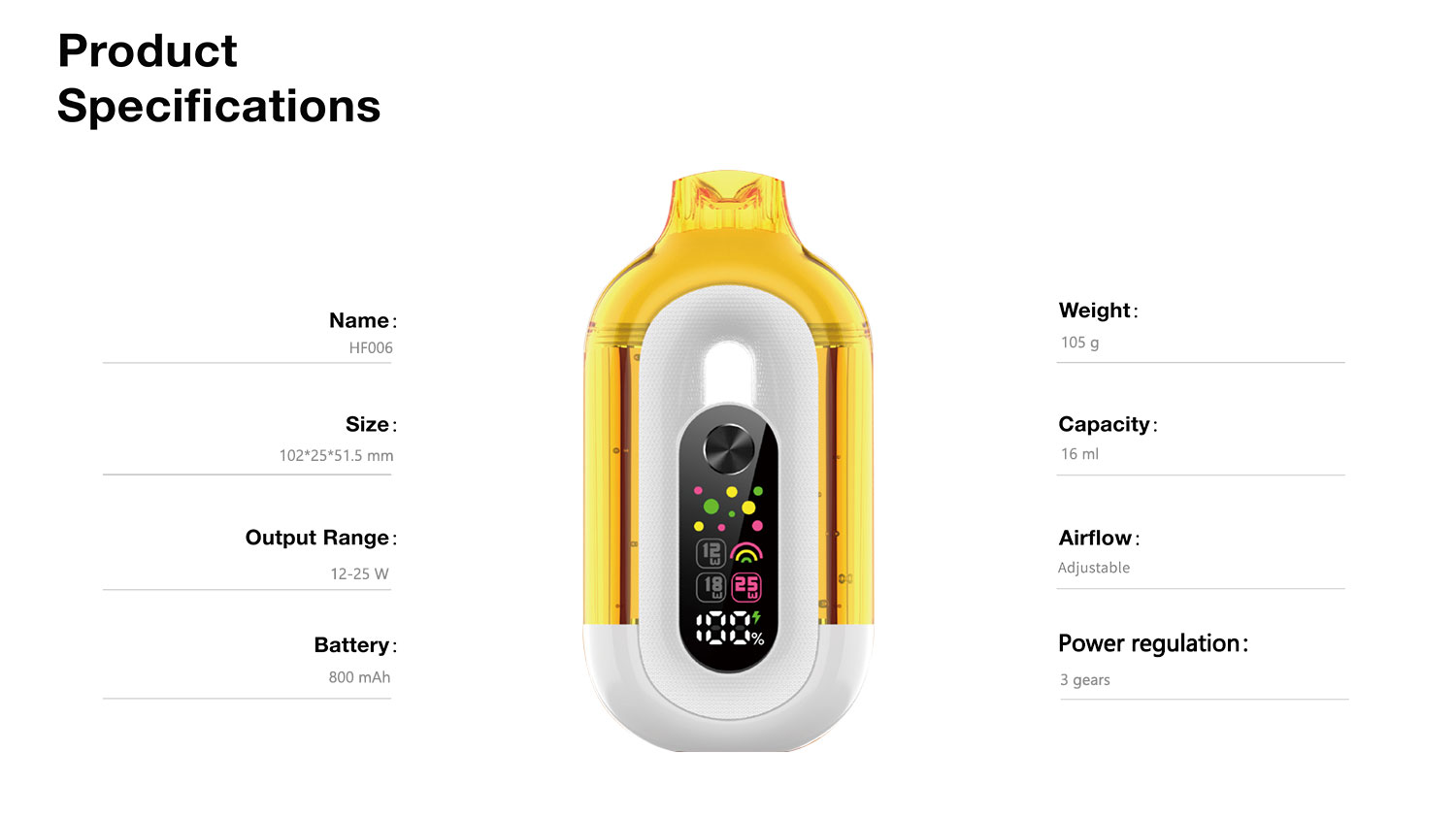
VAPESKY HF006 Equipment Display

Key Considerations for Comfort & Compatibility

  • Sensitivity: VG is gentler on airways, making high VG blends ideal for those with PG sensitivities or dry throat issues.
  • Flavor Pairing: VG’s natural sweetness complements dessert, fruit, or candy flavors. PG’s neutrality lets tobacco, menthol, or savory notes shine.
  • Device Compatibility: Thick high VG liquids can clog narrow pod coils. High PG blends may cause dry hits in sub-ohm devices due to rapid absorption.

How to Choose the Right Ratio

Follow this simple framework to nail your choice without guesswork:

  1. Identify your device type (sub-ohm = high VG; MTL/pod = high PG).
  2. Prioritize your goal: cloud production, bold flavor, or balanced comfort.
  3. Test ratios if unsure—start with 50/50, then adjust based on your experience.

VG and PG aren’t just passive ingredients—they’re the building blocks of a personalized vaping experience. By understanding their unique properties and how ratios interact with your device and preferences, you’ll move beyond generic e-liquids and select blends that feel custom-tailored. Vaping is about enjoyment, and mastering E-Liquid VG/PG basics is the first step to consistent, satisfying hits.

Teenagers and E-cigarettes: Warning Signs Parents Must Know

The youth e-cigarette epidemic is a pressing public health concern. Specifically, the U.S. Food and Drug Administration (FDA) calls it a “significant threat” to adolescent development. According to the 2023 National Youth Tobacco Survey (NYTS), 1 in 10 high school students use e-cigarettes. Of these, 38% even report daily use. These devices not only deliver highly addictive nicotine—which alters teen brain chemistry—but also contain harmful chemicals like formaldehyde and heavy metals. For parents, early warning sign recognition is therefore critical. Notably, 80% of teen users develop addiction within six months (American Medical Association, 2022).

Key Warning Signs to Monitor
1. Discreet Devices and Aromatic Clues
Concealable Device Designs

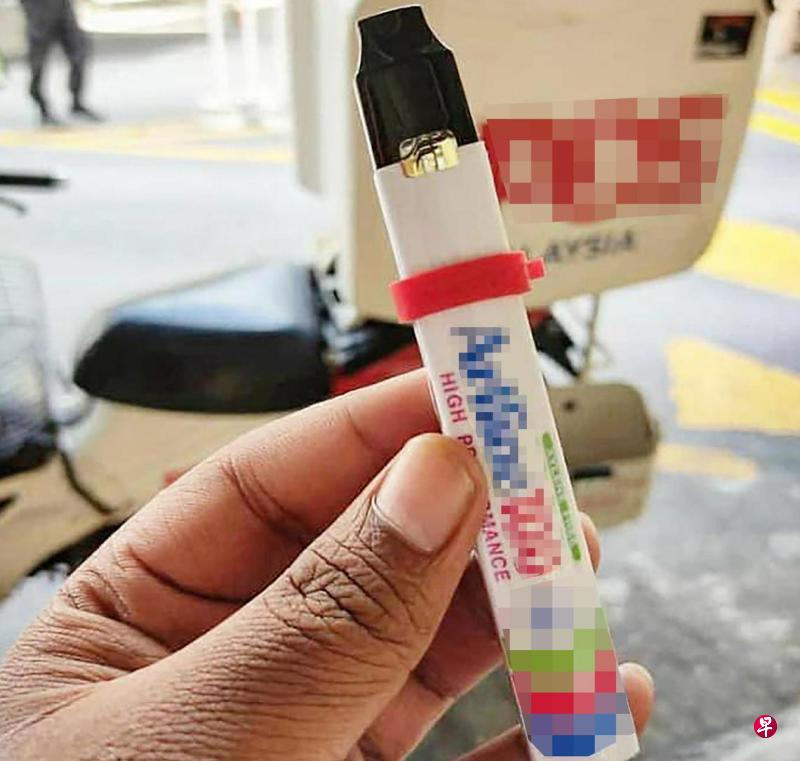
Modern e-cigarettes are intentionally built for hiding. For instance, they often resemble everyday items like USB drives (e.g., Juul), writing pens, highlighters, or lip balm tubes. Parents should therefore watch for unaccounted-for small devices around their teen’s space. Additionally, they should check for refillable pods or USB-C chargers that don’t match their teen’s electronics.

Noticeable Aromas and Masking Attempts

Most e-liquids feature strong, sweet scents. Common flavors include mint, berry, tropical fruit, or desserts. These aromas not only stick to clothing but also linger in bedrooms or cars. As a result, teens may frequently use breath mints, body spray, or air fresheners to cover the smell. Furthermore, they might open windows excessively or avoid close contact to hide the scent.

Disguised e-cigarette devices (USB drives, pens)
2. Behavioral Shifts and Increased Secrecy
Privacy Boundary Changes

Nicotine use often leads to sudden secretive behavior. For example, teens may spend excessive hours in bathrooms or bedrooms with doors locked. They may also avoid family meals or gatherings without a clear reason. Moreover, they might hide their phone screens when parents approach or switch apps quickly. Additionally, they may grow defensive or angry when asked about their whereabouts or activities.

Financial Anomalies

E-cigarettes and replacement pods come with recurring costs. Devices typically range from $15-$30, while pod packs cost $10-$15 each. Consequently, teens may ask for extra cash without a valid explanation. They may also steal loose change, borrow money frequently, or use parents’ payment methods without permission. Furthermore, they might hide receipts or avoid discussing how they spend their allowance.

3. Physiological and Cognitive Symptoms
Physical Health Red Flags

Nicotine and e-cigarette chemicals trigger distinct physical effects. Firstly, persistent dry cough or throat irritation is common, especially after waking up. Secondly, shortness of breath may occur during light activity due to respiratory inflammation. Additionally, teens may experience frequent headaches or dizziness from nicotine-induced blood pressure fluctuations. They might also complain of dry mouth or bad breath despite regular hygiene.

Mental and Sleep Disturbances

Sleep disturbances are a key indicator of teen vaping. For instance, teens may struggle with insomnia or wake up frequently during the night. They may also report vivid nightmares or restless sleep. Moreover, mood swings—such as unexplained irritability, anxiety, or sudden outbursts—often accompany nicotine use. Furthermore, parents may notice a decline in focus or memory, as nicotine impairs adolescent brain function.

Health effects of teen vaping (respiratory system)
4. Social Circles and Digital Footprints
Peer Group Shifts

Peer influence is the primary driver of teen e-cigarette use. According to the CDC (2023), 70% of users first try vaping in social settings. Parents should therefore watch for sudden shifts in their teen’s friend group. Specifically, new friends who avoid parental supervision or speak in code may be a red flag. Additionally, teens may start using vaping-related slang like “juuling,” “pod hits,” or “cloud chasing.”

Digital Clues on Social Media

Social media often reveals hidden vaping habits. For example, teens may like or follow e-cigarette brands such as Vuse, Elf Bar, or Geek Vape. They may also post photos or videos featuring vaping paraphernalia. Furthermore, they might join private online communities focused on e-cigarette modification or “cloud chasing.” Parents should also look for encrypted messaging apps, as teens may use them to coordinate vaping with friends.

Evidence-Based Parental Responses
  • Prioritize non-judgmental communication: Start with open-ended questions like “What do your friends think about vaping?” to encourage honest dialogue. Avoid scolding, as this may push teens to withdraw. Instead, share age-appropriate data from trusted sources like the FDA or CDC to highlight risks.
  • Build product literacy: Take time to learn about current e-cigarette designs and marketing tactics. For example, disposable devices are often brightly colored and flavored to appeal to teens. Use resources from FDA’s “This Is Our Watch” campaign to stay informed. Additionally, discuss how e-cigarette companies target young people with misleading ads.
  • Set clear, consistent rules: Establish firm policies against nicotine use in the home. Collaborate with schools to reinforce these rules, as many districts use evidence-based programs like “Truth Initiative.” Moreover, involve other caregivers (e.g., grandparents, teachers) to ensure consistency. If rules are broken, enforce calm, predictable consequences.
  • Seek professional support: If addiction is suspected, consult a pediatrician immediately. A certified tobacco treatment specialist can create a personalized cessation plan. Furthermore, FDA-approved nicotine replacement therapies (NRT) may be recommended for older teens. Support groups for teens and parents can also provide valuable guidance.

Adolescent brain development continues until age 25, which makes teens uniquely vulnerable to nicotine addiction. By recognizing these evidence-based warning signs, parents can act early to protect their children. Moreover, proactive, informed parenting—not just strict rules—plays a pivotal role in fighting the youth e-cigarette crisis. Ultimately, open communication and mutual trust are the strongest tools for guiding teens toward healthy choices.

Sources: FDA (2023); CDC National Youth Tobacco Survey (2023); American Medical Association (2022); American Academy of Pediatrics (2022)

E-Cigarette Smoke: What Else Beyond Nicotine?

HF006-intro-1

E-cigarettes are often marketed as a “safer alternative” to traditional cigarettes, with public debate largely focusing on nicotine content. Yet the aerosol—commonly called “e-cigarette smoke”—contains a complex mix of substances far beyond nicotine. Understanding these hidden components is vital for making informed vaping decisions, especially as use surges among young adults and teens.

Propylene Glycol and Vegetable Glycerin: The Base Carriers

Nearly all e-cigarette liquids rely on two primary ingredients: propylene glycol (PG) and vegetable glycerin (VG). These colorless, odorless liquids carry nicotine and flavorings, creating the thick vapor users inhale. While generally recognized as safe for food and cosmetic use, their behavior at high temperatures—often 300-400°F in e-cigarettes—raises concerns.

When vaporized, PG can break down into formaldehyde—a known carcinogen—and acrolein, a toxic irritant that damages lung tissue. VG, though less likely to form harmful byproducts, can irritate airways, especially for those with asthma or allergies. Below is a visual breakdown of how these carriers transform when heated:

Diagram of PG and VG breakdown in e-cigarette aerosol

Even in small amounts, repeated inhalation of these breakdown products may contribute to long-term respiratory issues.

Flavoring Chemicals: More Than Just Taste

Fruit, candy, mint, and tobacco flavors drive e-cigarette popularity—especially among youth. But many flavoring chemicals are not designed for inhalation. Diacetyl, a compound used to create buttery flavors, is linked to “popcorn lung” (bronchiolitis obliterans), an irreversible lung disease.

Acetaldehyde, another common flavoring byproduct, is classified as a Group 1 carcinogen by the International Agency for Research on Cancer (IARC). Even “natural” flavorings can change molecularly when heated, releasing unexpected toxins. The appeal of flavors often overshadows their potential harms.

Heavy Metals and Microscopic Particles

E-cigarette heating coils—typically made of nickel, chromium, or kanthal—can leach heavy metals into the aerosol when heated. Studies have detected lead, cadmium, and nickel in e-cigarette vapor, all of which pose serious health risks. Lead accumulates in the body over time, damaging the brain and nervous system, while cadmium is linked to kidney disease and bone damage.

The vapor also contains ultrafine particles (smaller than 0.1 micrometers) that can penetrate deep into the lungs and enter the bloodstream. This image shows the size comparison of these particles versus traditional cigarette smoke particles:

Comparison of e-cigarette ultrafine particles and traditional cigarette smoke particles

These tiny particles can trigger inflammation and oxidative stress, with long-term effects still being studied.

Volatile Organic Compounds (VOCs) and Other Toxins

Vaping also releases volatile organic compounds (VOCs) such as benzene, toluene, and xylene—chemicals associated with headaches, dizziness, and long-term organ damage. Benzene, a byproduct of incomplete combustion in some devices, is a well-documented cause of leukemia. Furthermore, many e-cigarettes contain residual pesticides, heavy metal contaminants from raw materials, or unlisted additives that have not been tested for inhalation safety.

Beyond nicotine, e-cigarette smoke is a cocktail of potentially harmful chemicals, heavy metals, and particles. Science popularization must move beyond focusing solely on nicotine to highlight the full composition of e-cigarette aerosol. By understanding these hidden components, users—especially young people—can make more informed choices, and policymakers can craft regulations to protect public health from the growing threat of vaping-related harms.

Vape Spitting Back? Here Are 3 Quick Fixes!

Refillable Pod Kit 3

That sudden, hot sting of e-liquid on your tongue is unmistakable – you’ve experienced spitback. This common vaping annoyance occurs when your device ejects tiny droplets of e-liquid through the mouthpiece rather than producing a smooth, vaporized cloud. While frustrating, understanding why it happens is the first step toward solving the problem.

Before you consider retiring your device, rest assured that spitback is typically easy to fix. The issue usually stems from simple factors like coil oversaturation, incorrect power settings, or improper inhalation technique. The good news? You don’t need to be a vaping expert to resolve it.

This guide will walk you through three quick, effective solutions to eliminate spitback and restore your vaping experience to the smooth, flavorful satisfaction you deserve.

Vape spitback diagram

Spitback occurs when excess e-liquid enters the coil chamber and gets ejected through the mouthpiece

1. Flick It & Blow: The Quick Cleanse

This immediate solution works wonders for spitback caused by excess e-liquid accumulation in your coil or chimney, particularly if your device has been sitting unused.

  • Disconnect your tank from the battery mod if you’re using a separate device
  • Flick firmly downward with the mouthpiece facing toward a sink or paper towel – centrifugal force will expel the excess liquid
  • Blow gently through the mouthpiece with a paper towel covering the airflow vents to clear remaining liquid from the chimney

After reassembling, take a test fire without inhaling. You should notice significantly reduced or completely eliminated spitting.

Adjusting vape wattage

Adjusting wattage and airflow settings can significantly reduce spitback issues

2. Optimize Your Wattage & Airflow Settings

Spitback often signals improper power or airflow configuration. Insufficient wattage boils rather than vaporizes e-liquid, while restricted airflow creates excessive suction that floods the coil.

  • Increase wattage gradually – Check your coil’s recommended range and increase power in 5-watt increments for more efficient vaporization
  • Open airflow control – Allow more air to mix with vapor, reducing vacuum pressure that pulls excess liquid into the coil

Finding the sweet spot between power and airflow is crucial for achieving spit-free, flavorful vapor production.

3. Evaluate Your E-Liquid and Coil Condition

Sometimes the culprit lies in your e-liquid composition or hardware condition, requiring more fundamental adjustments.

  • Choose the right VG/PG ratio – Thin, high-PG liquids (50% PG or higher) easily flood sub-ohm coils. Opt for higher VG blends (70% VG or more) for modern devices
  • Replace aging coils – Worn coils lose integrity and flood easily. If other fixes fail, install a new coil and avoid over-priming

Remember that proper coil priming means moistening the cotton, not saturating it to the point of dripping.

Quick Recap: Tackle vape spitback systematically: begin with the quick flick-and-blow method to remove excess liquid. If problems persist, adjust your wattage and airflow settings for optimal vaporization. Finally, assess whether you need to switch to thicker e-liquid or replace your coil. Following these straightforward steps will eliminate that unpleasant e-liquid spray and return you to satisfying, smooth vaping.

The “Iron Triangle” of E-cigarettes: An In-depth Analysis of the Synergistic Secrets of Atomizers, E-liquids, and Main Units

HF006-intro-1

The vaping landscape features technical complexity and a wide range of devices. However, every electronic cigarette’s operational core relies on three fundamental components working in intricate harmony. Known as the “Iron Triangle” of vaping, the Atomizer, E-liquid, and Main Unit form a tightly interdependent system. Each component’s performance directly shapes the whole device’s functionality and output. To optimize your vaping experience, you must first understand this synergy.

Figure 1: The core components of the vaping “Iron Triangle”

The Power and Control Center: The Main Unit

The Main Unit (or mod) acts as the system’s power source and primary regulator. It is more than a simple battery; it functions as a central processing unit that governs performance through two key functions: power delivery and user control.

  • Power Output (Wattage/Voltage): This parameter controls the energy sent to the atomizer coil. Lower settings produce cooler vapor and milder flavor. Higher settings, by contrast, create denser vapor, richer flavors, and a warmer sensation.
  • Temperature Control (TC): This advanced mode lets you set a precise maximum temperature for the coil. It prevents dry hits (burning the wick without e-liquid), boosts e-liquid efficiency, and ensures consistent vapor quality throughout use.

Synergy here is critical: high-performance, low-resistance coils need a capable, high-drain battery to work properly. On the other hand, high-resistance coils may underperform or get damaged if paired with a main unit set to excessive power. The main unit thus provides the exact operational parameters the atomizer needs to follow.

The Vaporization Engine: The Atomizer

The atomizer serves as the engine that transforms liquid into vapor. Its core functionality depends on two sub-components: the heating coil and the wicking material.

  • The Coil: Manufacturers wind resistance wire (such as Kanthal, Nichrome, or stainless steel) into specific configurations. When electrical current from the main unit passes through the coil, it heats up rapidly via resistance.
  • The Wick: Usually made of organic cotton or specialized fibers, the wick draws e-liquid from the reservoir via capillary action. It then saturates the coil surface for even vaporization.

The atomizer coil’s electrical resistance (measured in ohms, Ω) is a key factor in system synergy. Sub-ohm coils (below 1.0 ohm) are designed for high-power use and heavy vapor production. They require a compatible high-output main unit and high-VG e-liquid. Conversely, higher-resistance coils work best with lower power settings and restricted airflow. They are often paired with nicotine salt e-liquids.

The Consumable Medium: The E-Liquid

E-liquid is the consumable that delivers flavor, nicotine, and the physical base for vapor. Its chemical composition—specifically the ratio of Propylene Glycol (PG) to Vegetable Glycerin (VG)—is critical for compatibility and performance.

  • PG (Propylene Glycol): This thinner fluid carries flavor more effectively. It also provides a pronounced “throat hit” that mimics the sensation of smoking.
  • VG (Vegetable Glycerin): This thicker, denser fluid produces voluminous vapor clouds. It also adds a mild, natural sweetness.

Compatibility is essential here. A high-PG e-liquid (e.g., 50% PG / 50% VG) works well with low-wattage, high-resistance devices. It delivers a sharp throat hit and clear flavor. However, its low viscosity can cause leaking and harsh throat sensations if used in a high-power sub-ohm tank. High-VG e-liquids (e.g., 30% PG / 70% VG or Max VG) have higher viscosity. They are engineered for sub-ohm atomizers, reducing leakage and vaporizing efficiently to create dense clouds. Choosing the wrong e-liquid for your hardware is a top cause of poor performance.

Achieving Synergy: The Harmonized System

Figure 2: How the three components work in harmony to produce vapor

The ultimate goal is to calibrate all three components to work together. For example, consider this targeted configuration:

  • Objective: Balanced vapor production with rich flavor and moderate nicotine.
  • Optimized Configuration: A main unit set to 50W, a sub-ohm atomizer with a 0.4-ohm coil, and 70% VG / 30% PG e-liquid with 6mg nicotine.

In this balanced state, each component operates within its ideal parameters, supported by the others. The main unit delivers stable power. The atomizer efficiently vaporizes the well-formulated e-liquid. The e-liquid itself wicks effectively, preventing dry hits while delivering great flavor and sensation.

In summary, viewing an e-cigarette as a single device is a mistake. It is a sophisticated, synergistic system: the Main Unit provides directive power, the Atomizer executes vaporization, and the E-liquid acts as the functional medium. A weakness in any one element will compromise the entire system. By understanding the interdependent relationships in this “Iron Triangle,” you can move from passive use to informed mastery of your vaping experience.

View e-cigarettes rationally: they are neither angels nor devils

HF001-intro-1

In recent years, e-cigarettes have sparked intense debate worldwide, with opinions polarized between two extremes: some hail them as a “safer alternative” to traditional cigarettes, while others condemn them as a “new public health threat.” Yet the truth lies somewhere in between—e-cigarettes are neither angels nor devils, and only rational analysis can guide informed decisions.

E-cigarette and research data

The “Angel” Narrative: Promise and Limitations

Proponents argue e-cigarettes reduce harm by eliminating tar and many toxic combustion byproducts in traditional cigarettes. Studies, such as those by the Royal College of Physicians, suggest they could aid smoking cessation for adults. In regions like the UK, regulated e-cigarettes are even promoted as a harm-reduction tool. However, this “angelic” label is flawed: they still contain nicotine, an addictive substance, and their long-term health impacts remain understudied.

The “Devil” Stereotype: Risks and Realities

Critics highlight alarming trends: youth e-cigarette use has surged globally, with flavors like mango and bubblegum luring non-smokers. The 2019 EVALI outbreak, linked to illicit THC vaping products, raised fears—though it underscored risks of unregulated devices, not all e-cigarettes. Exaggerating them as “devils” ignores their potential role in harm reduction for adults, risking misinformation that pushes smokers back to more harmful traditional cigarettes.

Regulation and public awareness

Rationality in Policy and Perception

Balanced approaches are key. Regulation should restrict youth access, ban untested additives, and mandate clear labeling—without blanket prohibition. Public education must avoid scare tactics, instead explaining: e-cigarettes are not risk-free, but likely less harmful than smoking; non-users, especially teens, should avoid them; adults trying to quit may benefit with guidance.

In the end, e-cigarettes are a complex technological innovation, not moral symbols. Their impact depends on how society regulates, studies, and uses them. By rejecting the “angel vs. devil” binary, we can foster policies and behaviors that minimize harm while respecting evidence—proving rationality, not extremism, is the best guide.

How to carry and store your e-cigarette devices when traveling?

HF005-intro-1

Traveling with e-cigarettes requires careful planning to ensure your devices are safe, functional, and compliant with regulations. Whether you’re flying, driving, or taking public transport, proper carrying and storage can prevent damage, leaks, and legal issues. In this article, we’ll explore best practices for transporting and storing your e-cigarette gear on the go, helping you enjoy a smooth journey without compromising your vaping experience.

Carrying Your E-Cigarette Devices

When carrying e-cigarettes, it’s essential to use a dedicated case to protect them from impact, moisture, and accidental activation. Hard-shell cases are highly recommended for air travel, as they shield devices from pressure changes and physical shocks. Always disassemble your device if possible, separating the battery, tank, and mod to minimize risks. For e-liquids, store them in a clear, sealable plastic bag to comply with airline liquid restrictions—typically, containers must be 100ml or less. If you’re on a road trip, secure your devices in a glove compartment or center console to prevent rolling and damage. Additionally, remember to turn off your e-cigarette before packing it to avoid unintended power drainage or firing. This simple step can save you from potential hazards and ensure your device is ready for use upon arrival.

E-cigarette travel case

Storing E-Cigarettes Safely

Proper storage is key to maintaining the longevity and performance of your e-cigarette devices. Always store them in a cool, dry place away from direct sunlight, as extreme temperatures can degrade batteries and e-liquids. If you’re storing devices for extended periods, such as during a long flight or hotel stay, empty the tank to prevent leaks and clean the components thoroughly. For batteries, use their original packaging or anti-static bags to avoid short circuits, and never store them loose with metal objects like keys or coins. When traveling by air, keep e-cigarettes in your carry-on luggage rather than checked bags, as cargo holds can experience temperature fluctuations that might damage electronics. By following these storage tips, you’ll reduce the risk of malfunctions and extend the life of your gear.

Safety Considerations

Battery safety should be a top priority when traveling with e-cigarettes. Use only manufacturer-approved chargers and avoid overcharging, which can lead to overheating or fires. Carry spare batteries in a protective case to prevent contact with conductive materials, and never expose them to water or high humidity. Be aware of local laws and regulations regarding e-cigarette use and possession, as these vary widely by country and state—some places have strict bans or limitations. In case of e-liquid leaks, keep paper towels or a cloth handy for quick cleanup to avoid stains and skin irritation. Moreover, never leave your devices unattended in a vehicle, especially in hot or cold weather, as temperature extremes can cause battery failures. Staying informed and prepared will help you navigate any safety challenges during your trip.

Safe e-cigarette storage

Additional Travel Tips

To make your e-cigarette travel experience even smoother, consider these extra tips. Always check airline policies before flying—most carriers require e-cigarettes in carry-on bags and prohibit use onboard. Pack spare coils, tanks, and e-liquids within legal limits, and label them clearly for security checks. For short trips, disposable e-cigarettes can be a convenient alternative, reducing the need for charging and maintenance. Keep a copy of your device’s manual or digital instructions for troubleshooting on the go. Lastly, communicate with travel companions about your e-cigarette use to avoid misunderstandings and ensure a respectful environment. By planning ahead, you can focus on enjoying your journey without vaping-related worries.

By following these guidelines, you can enjoy a hassle-free travel experience with your e-cigarette devices. Proper carrying and storage not only protect your investment but also ensure safety and compliance. Happy travels!