
The e-cigarette industry faces strict global regulations. Moreover, quality control is no longer optional—it’s mandatory for compliance and market access.
ISO 9001 stands as the most recognized quality management standard worldwide. For e-cig factories specifically, it’s the unshakable cornerstone of consistent, safe products. Accordingly, this article breaks down its practical impact on manufacturing processes and regulatory compliance.

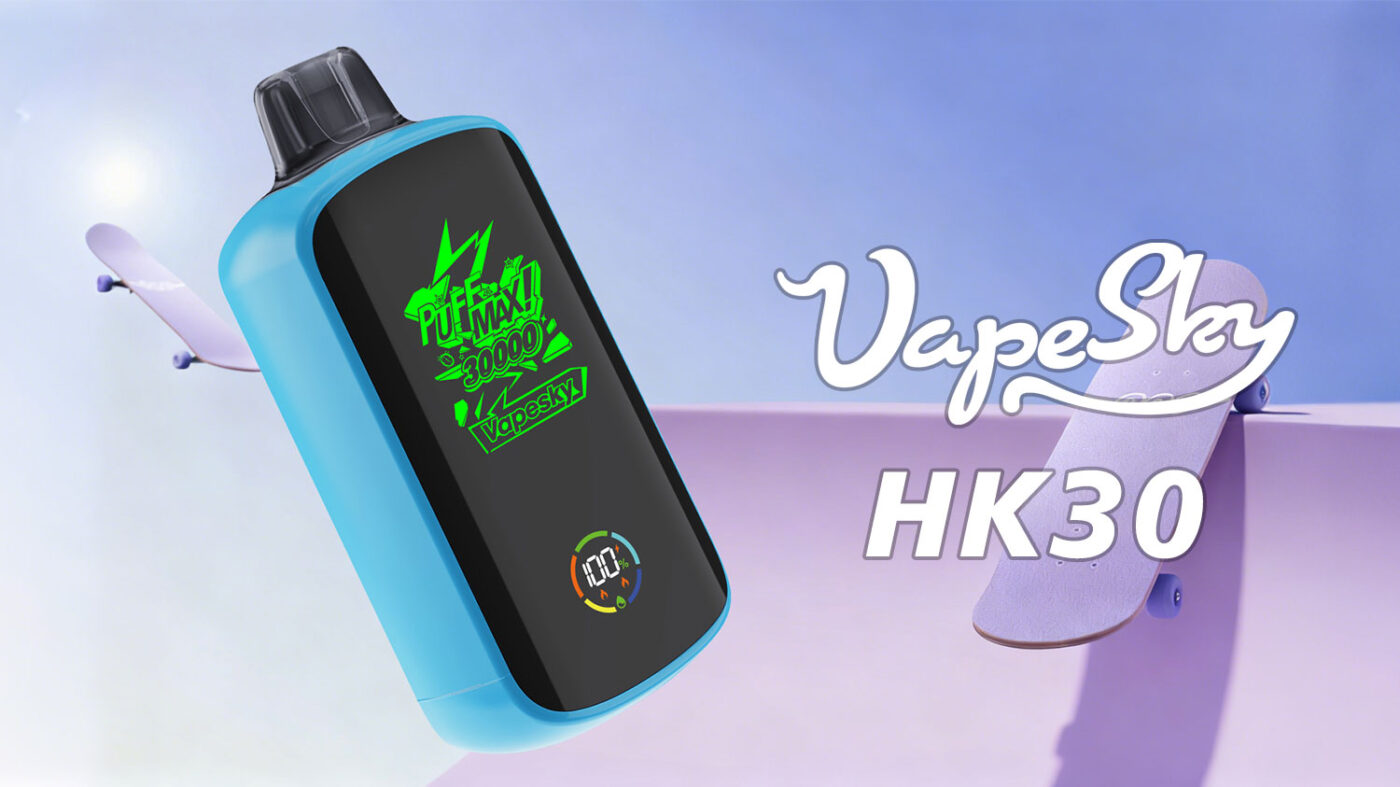
VAPESKY HK30-A Finished Product Display
Why ISO 9001 is Non-Negotiable for E-Cig Factories
Aligning with Global Regulatory Requirements
E-cig products are regulated by major authorities worldwide. For example, the EU enforces the Tobacco Products Directive (TPD), while the US relies on FDA’s PMTA framework.
To meet these diverse demands, this framework provides a unified approach. It ensures factories operate in line with international quality rules, simplifying cross-border compliance.
Systematic Quality vs. Ad-Hoc Checks
Unlike random, ad-hoc quality checks, the standard mandates the PDCA cycle. Specifically, this Plan-Do-Check-Act process drives continuous improvement across all operations.
Notably, it covers every manufacturing stage. This includes raw material testing, production control, and finished product validation.
A Universal Quality Passport for Exports
Certification builds trust with overseas clients. After all, it proves consistent quality across every batch and process.
Furthermore, it reduces third-party audit costs. In many cases, it’s even a prerequisite for product registration in key markets.
Implementing the Standard in E-Cig Manufacturing
Standardizing Key Manufacturing Processes
The framework requires documented procedures for consistency. Key processes include:
- Raw material inspections (AQL 1.5 sampling for critical parts)
- Atomizer assembly with station-specific SOPs
- Post-production checks for vapor output and safety
Without such standardization, factories risk inconsistent quality and regulatory violations.
Batch Tracking and Traceability
Certified factories use strict batch tracking systems. As a result, every product traces back to its suppliers, production shifts, and inspectors.
This capability enables rapid recalls if issues arise. Additionally, it simplifies compliance reporting for regulators.
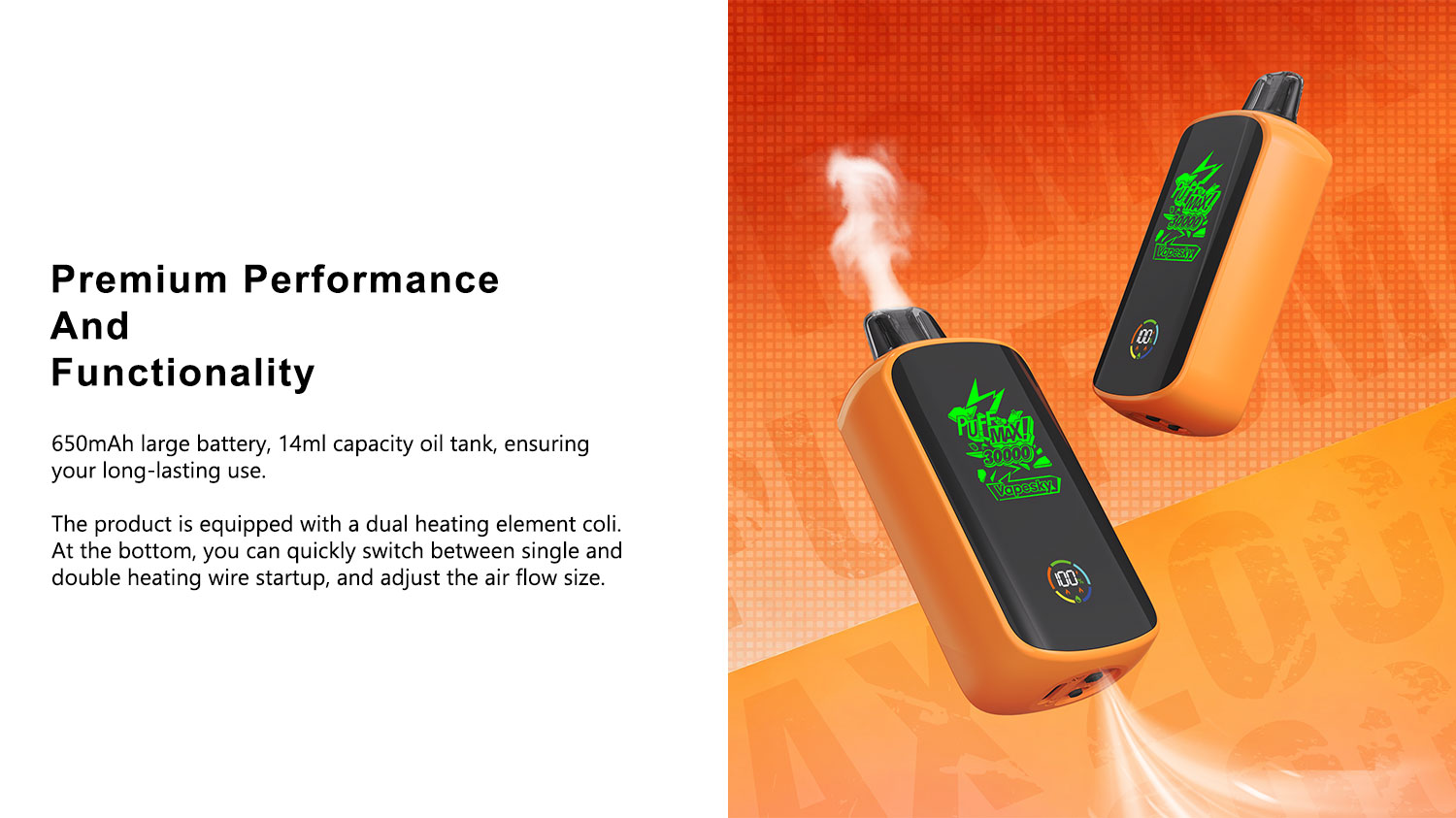
VAPESKY HK30-A Finished Product Display
Proactive Risk Management
The framework requires identifying potential quality hazards. Common risks include inconsistent nicotine levels, defective coils, or packaging contamination.
To mitigate these risks, factories implement preventive measures. For instance, many use AOI machines for automated defect detection.
Furthermore, testing equipment is calibrated monthly. This ensures accurate measurements per ISO 10012 standards.
Long-Term Benefits Beyond Certification
Operational Improvements and Cost Savings
The standard reduces product defect rates by 30-40%. Consequently, it cuts waste and rework costs significantly.
Additionally, factories often see 15-20% lower production costs. These savings stem from streamlined processes and reduced inefficiencies.
Building a Quality-Centric Culture
Importantly, certification isn’t just a credential—it’s a cultural shift. It fosters a mindset of quality across all levels of the organization.
As a result, employees prioritize compliance in every task. Over time, this builds long-term trust with customers and regulators alike.
Partner With a Quality-Focused E-Cig Manufacturer
We’re an ISO 9001:2015 and GMP-certified e-cig factory. Not only do we meet global quality standards, but we also offer end-to-end quality control and customized solutions. Whether you’re targeting EU, US, or Asian markets, our processes ensure compliance and consistency. Contact us today to discuss your needs.