
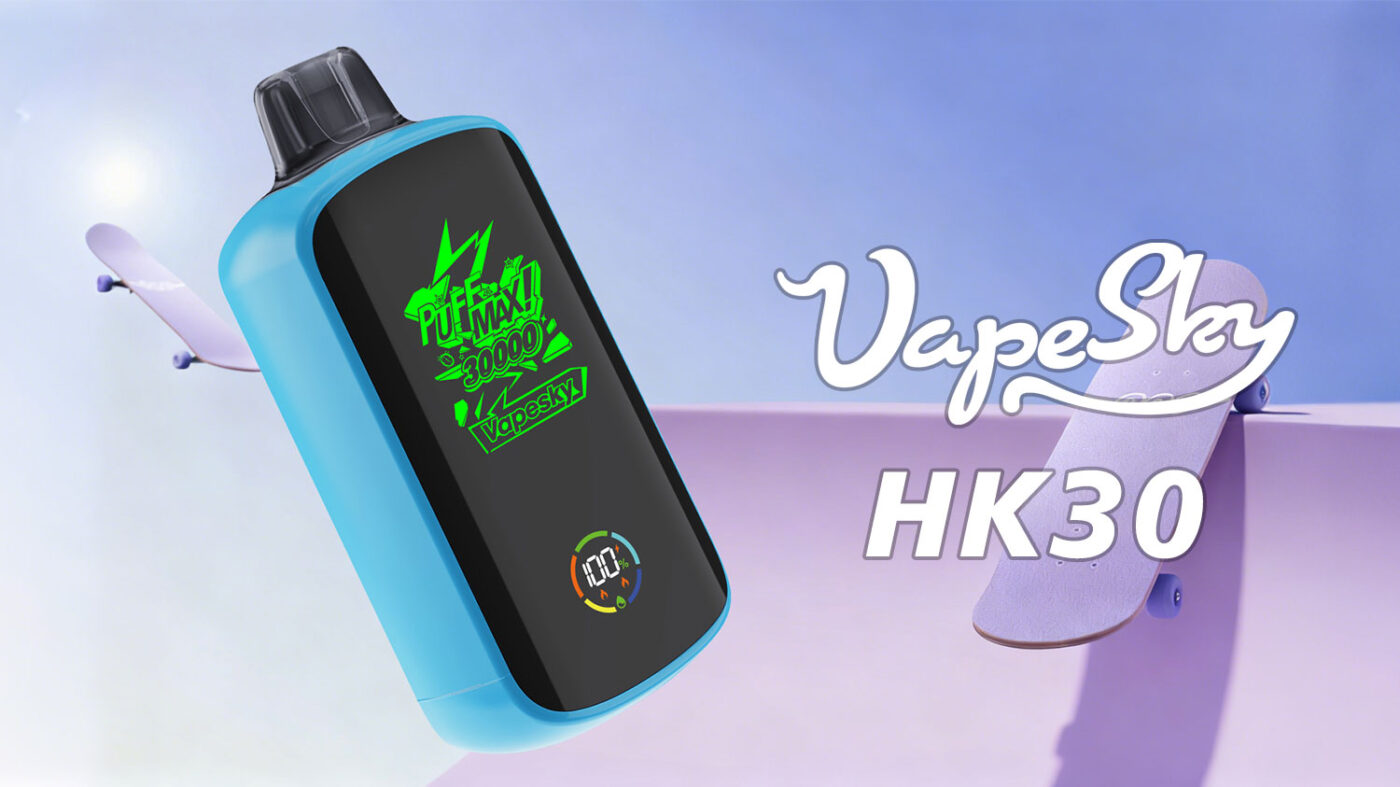
The year 2025 marks a turning point in global nicotine consumption culture, and the rise of e-cigarettes has moved far beyond a simple market shift. Vaping has become a lifestyle symbol, a psychological comfort tool, and a social identity marker. While health experts continue to debate long-term consequences, the psychology behind the booming trend is clearer than ever. Understanding why people vape requires exploring a blend of social influence, emotional drivers, technological appeal, and shifting cultural norms.

Social Identity and the Appeal of Modern Lifestyle Trends
One of the most significant psychological factors driving vaping’s popularity is the association with modern identity and personal style. For many younger adults, vaping is perceived not just as a smoking alternative but as a symbol of belonging to a future-leaning, tech-savvy culture. Devices in 2025 come in sleek, customizable designs, making them feel more like fashion accessories than nicotine delivery tools.
Social media amplifies this trend. Influencers frequently present vaping as part of an aesthetic—relaxed, futuristic, creative, or rebellious. As a result, users internalize vaping as a behavior aligned with their preferred self-image. Psychological research shows that people gravitate toward habits that reinforce their desired identity, and vaping has become exactly that for millions.
Perceived Harm Reduction and Rationalized Decision-Making
Another powerful driver is the belief that vaping is a safer alternative to traditional cigarettes. Even though scientific evidence continues to evolve, many users perceive e-cigarettes as less harmful due to the absence of combustion and tar. This perception serves as a mental justification, helping individuals reduce cognitive dissonance between wanting nicotine and wanting better health.
The psychology of “controlled risk” also plays a role. E-cigarettes allow users to choose nicotine levels or even go nicotine-free, providing a sense of control that traditional smoking never offered. That control feeds into a broader narrative: people feel they are making a smarter, more informed choice, reinforcing positive associations with vaping.
Stress Management and Emotional Regulation
The global stress landscape has shifted dramatically, and vaping has become an accessible coping mechanism. Many users report that vaping satisfies the habitual behaviors associated with smoking—hand-to-mouth motion, inhalation rituals, sensory stimulation—without the guilt often attached to cigarettes. These ritualistic aspects provide instant emotional relief.
For younger demographics dealing with academic pressure, economic uncertainty, or post-pandemic anxiety, vaping offers a rapid, portable form of emotional regulation. While it may not be a healthy long-term solution, the psychological appeal of immediate relief is undeniable.
Flavor Exploration and the Psychology of Sensory Reward
Flavor diversity has become one of the strongest motivators behind the vaping trend. E-liquids in 2025 offer hundreds of flavors—from classic tobacco to exotic fruit blends and dessert-inspired combinations. This variety taps into the brain’s reward system, stimulating curiosity, novelty-seeking behaviors, and dopamine release.
Unlike cigarettes, which provide an almost uniform experience, vaping offers ongoing sensory discovery. This creates a cycle where users feel engaged, entertained, and emotionally stimulated. As a result, they return not only for nicotine but for the flavor experience itself.
Community, Ritual, and the Need for Belonging
Online and offline vaping communities have flourished in 2025. From Reddit forums to local vape shops, users share tips, preferred devices, and flavor reviews. These communities provide a sense of belonging, which is a major driver of long-term consumer habits.
Additionally, the act of vaping—like smoking before it—often becomes a social ritual. People vape together during breaks, while socializing, or at gatherings. This shared behavior reinforces bonds and strengthens the emotional attachment to vaping.
Conclusion: A Trend Built on Psychology More Than Nicotine
The booming popularity of vaping in 2025 is far from accidental. It reflects a complex interplay of identity, perception, stress relief, sensory enjoyment, and community belonging. E-cigarettes offer not just nicotine but a multifaceted psychological experience that resonates with modern lifestyles. Whether the trend will continue depends on future regulations and scientific findings, but one thing is certain: vaping has woven itself deeply into the cultural and psychological fabric of today’s society.