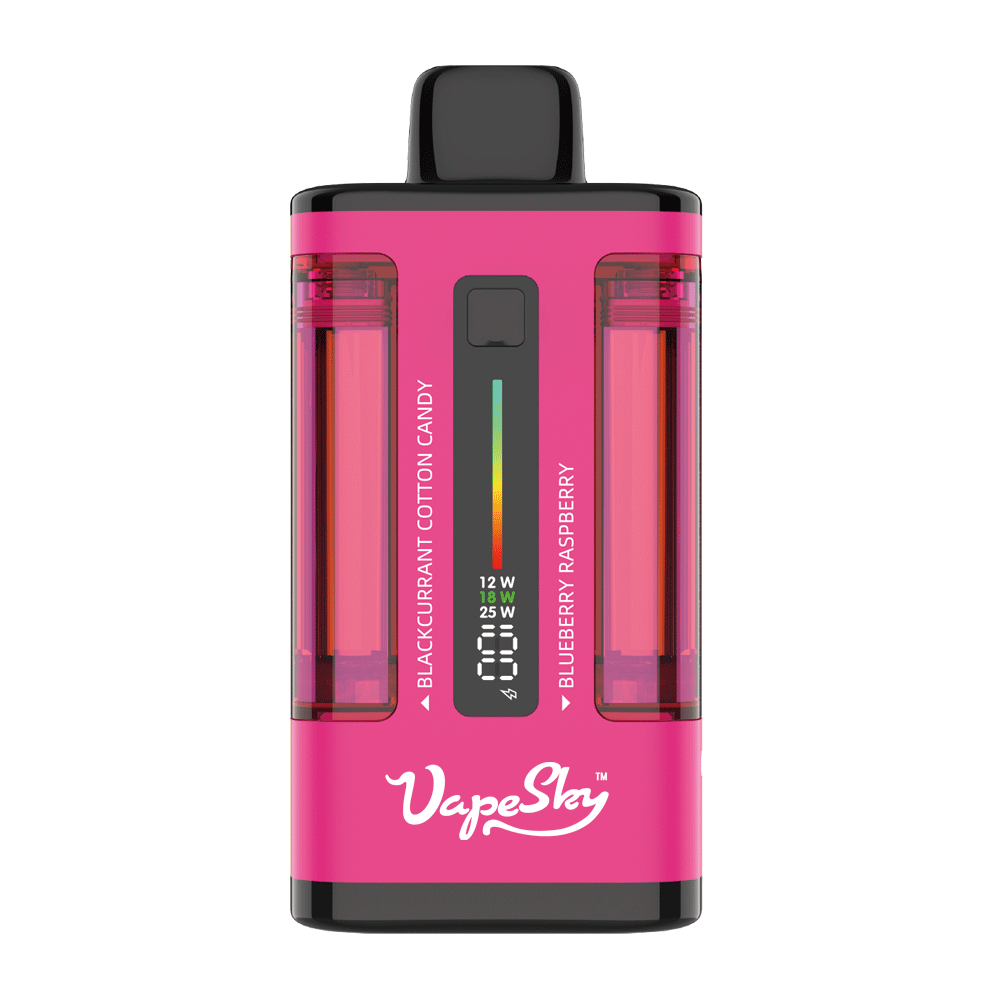
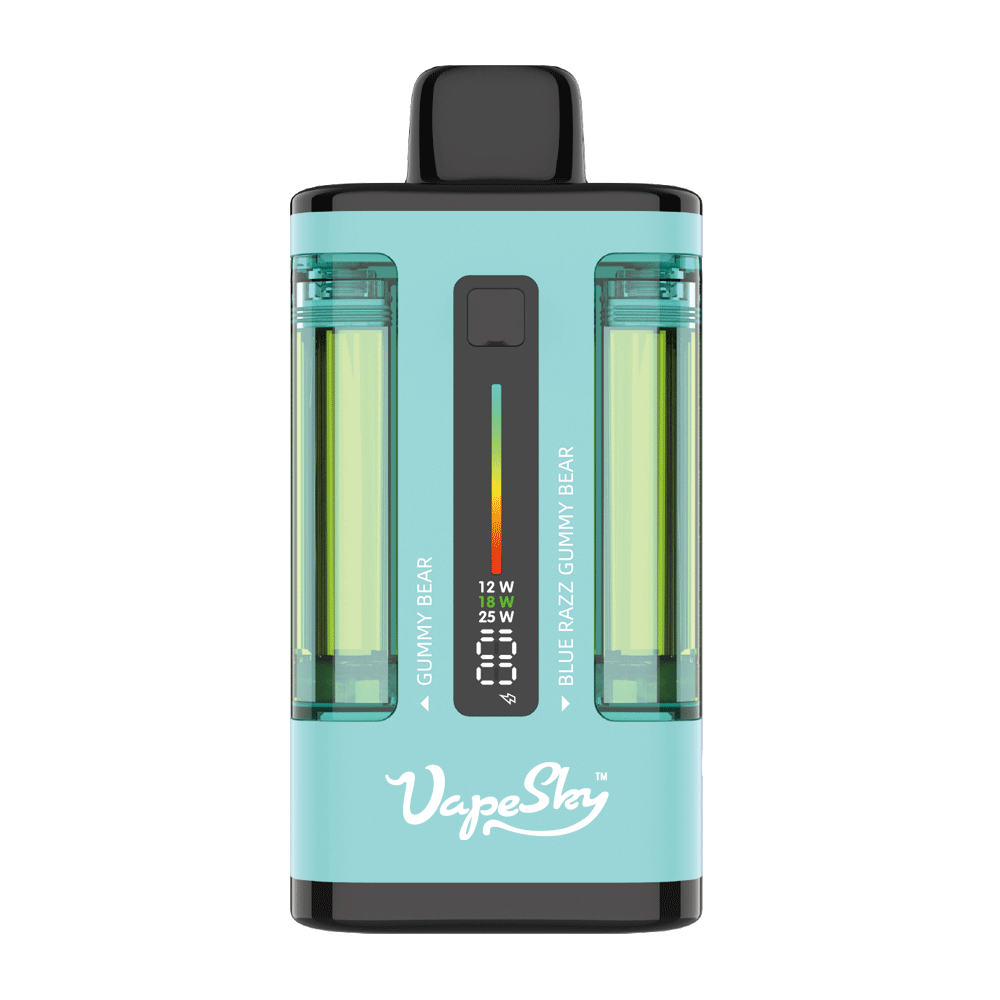
2025 has emerged as a pivotal year for global vaping regulation, with the U.S. and EU leading stricter rule implementations. Understanding these core regional requirements is essential for compliant usage and distribution worldwide.
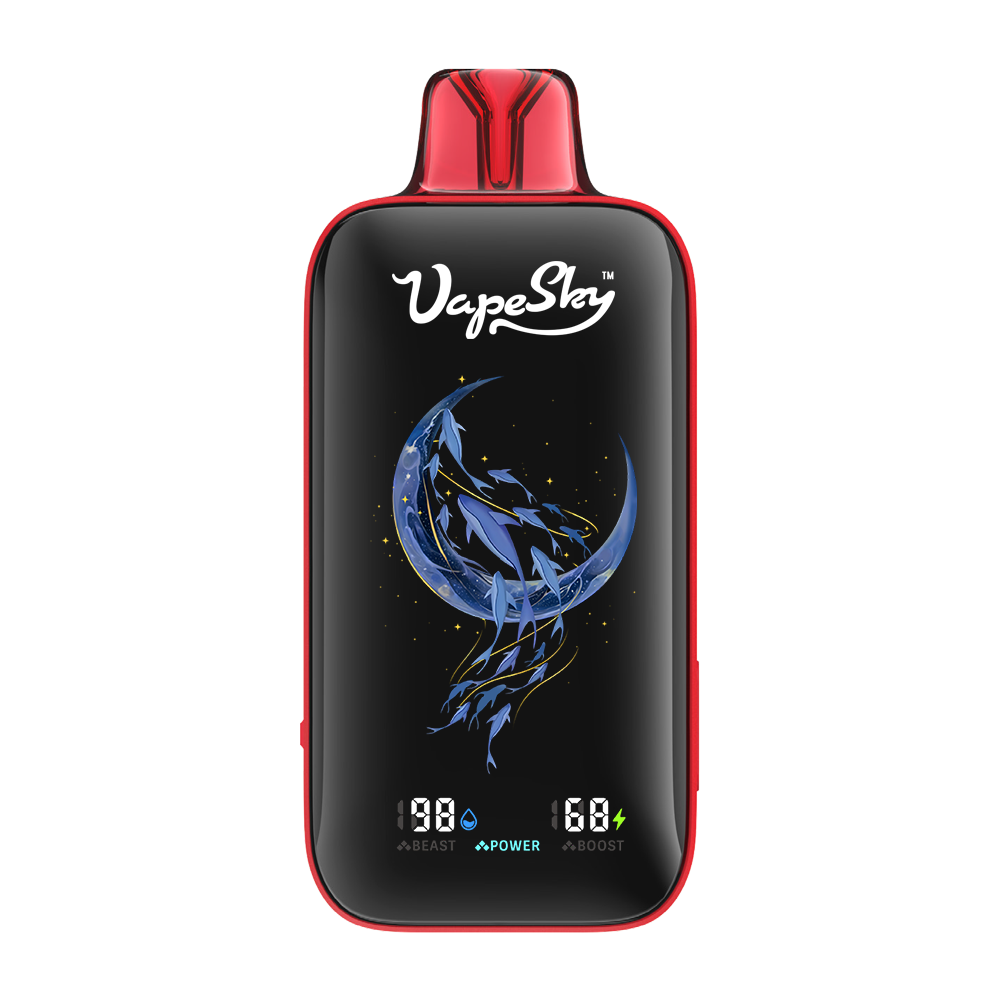
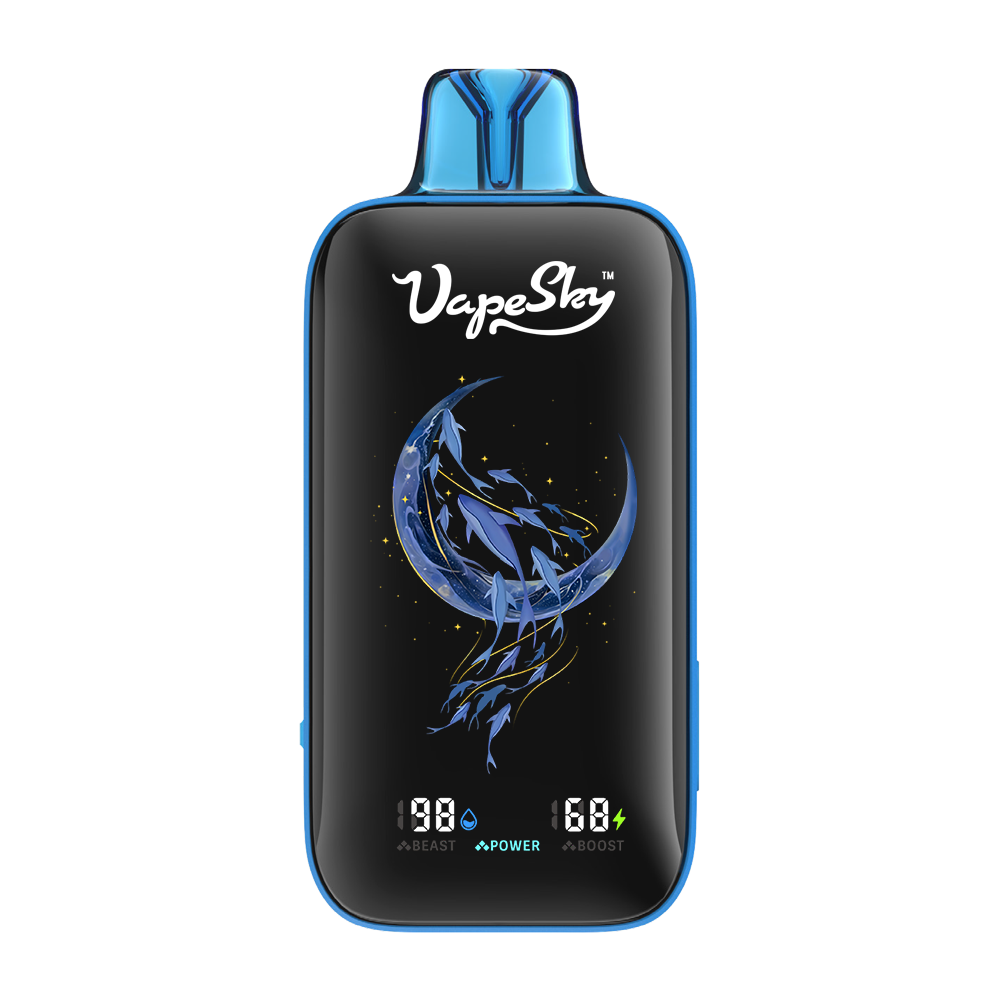
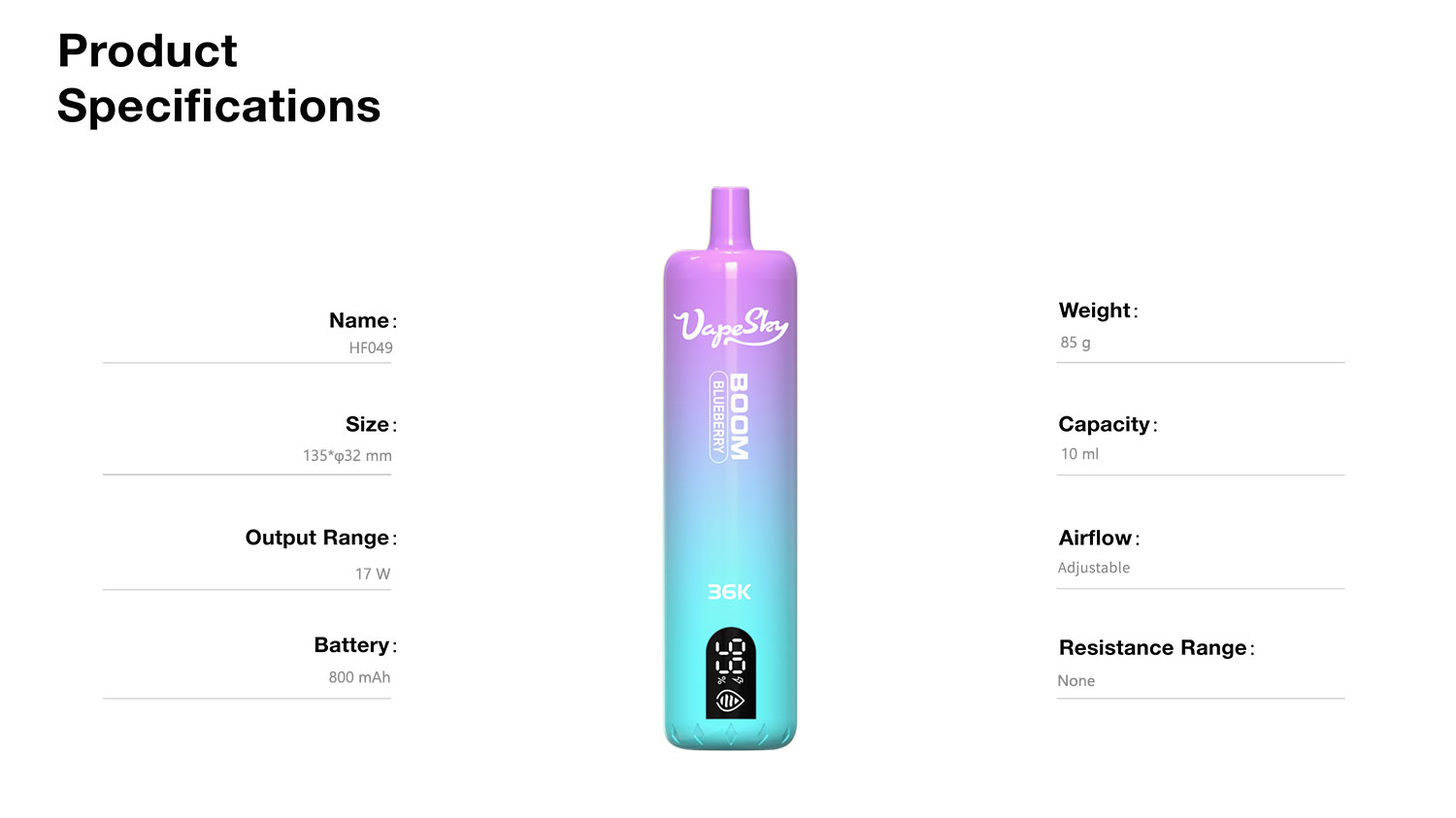
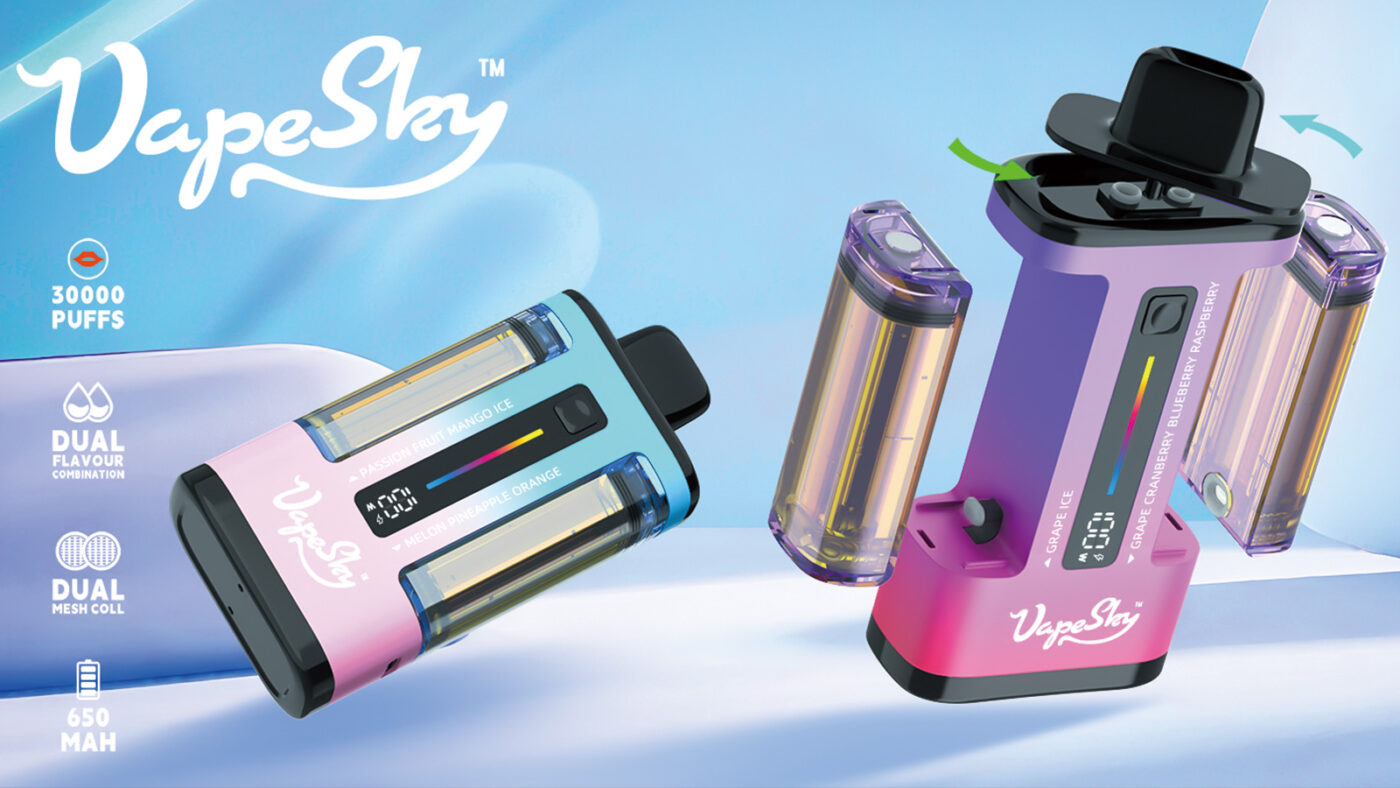
VAPESKY HF049
United States: Federal Approval + State Restrictions
Federal rules require FDA PMTA approval for all vaping products, with only 39 tobacco/menthol variants authorized so far. The PACT Act mandates strict shipping ID checks and bans USPS delivery. States enforce additional limits, including flavor bans, restrictions on Chinese-manufactured products, and sales of only FDA-approved items.
European Union: Harmonized TPD Standards
The revised TPD sets EU-wide limits: nicotine ≤20mg/mL, e-liquid containers ≤10mL, and mandatory CE certification + EU-CEG registration. France, UK, Belgium, and other countries have banned disposable vapes, while most prohibit non-tobacco flavors to curb youth use.
Global Compliance Basics
1. Verify regional certifications (FDA PMTA for U.S., CE/TPD for EU) before purchasing or selling.
2. Adhere to flavor and product type restrictions specific to each country/state.
3. Comply with shipping and age verification rules to avoid penalties.
2025’s regulatory focus prioritizes youth protection and product safety, with the U.S. and EU setting benchmarks for global vaping rules. Sticking to authorized products and local guidelines ensures legal compliance.
At VAPESKY Vape Factory, new product incubation isn’t just a linear process. Instead, it’s a precision-driven journey bridging cutting-edge lab innovation and scalable, compliant mass production. Over the past decade, we’ve refined this pipeline to perfection. As a result, it delivers high-quality, market-ready vape devices consistently. Critically, these products meet global regulatory standards while aligning with brand partners’ unique needs. Below, we unpack the full new product incubation process that sets VAPESKY apart.
VAPESKY R&D Lab: Validating new vape hardware and e-liquid formulations
The Lab Phase: R&D & Concept Validation
Every new product starts in VAPESKY’s state-of-the-art R&D lab. Here, our team of 40+ engineers and chemists validates concepts rigorously. First and foremost, they align with client briefs and global compliance rules. These include FDA PMTA, EU TPD, and MHRA standards. Next, we refine core components to meet performance goals. Specifically, we test battery efficiency, airflow design, and e-liquid flavor profiles. To ensure safety, testing happens in controlled environments. Additionally, our lab uses AI-driven testing tools. These tools simulate 6 months of daily use in just 72 hours. As a result, potential issues are identified early—like leakages or overheating. For brand partners, this phase includes collaborative tweaks. OurVAPESKY R&D lab consulting ensures every prototype fits technical feasibility. Furthermore, it aligns perfectly with market demand.
Prototyping & Rigorous Quality Testing
Once lab validation is complete, we move to rapid prototyping. Notably, VAPESKY’s factory houses 8 industrial 3D printers. These printers produce functional vape prototypes in 48 hours. This speed is far faster than the industry average of 5-7 days. After prototyping, each unit undergoes 7 layers of testing. These tests cover electrical safety, flavor consistency, and leak resistance. They also include drop durability and regulatory compliance checks. To ensure transparency, third-party lab audits verify key metrics. For example, they confirm nicotine levels and heavy metal content. They also validate emissions to meet global standards. As a result, clients receive full visibility into product quality. Only 15% of initial prototypes move to the next phase. Our strict standards eliminate weak designs before production begins.
Pre-Production: Scalability & Compliance Prep
Prior to full production, we optimize the prototype for scalability. Specifically, we adjust tooling and streamline assembly steps. Additionally, we source bulk materials from certified suppliers. This approach keeps costs in check while maintaining quality. Moreover, this phase includes final compliance documentation. We compile all test reports and material safety data sheets (MSDS). We also complete regulatory filings for target markets. In turn, this means zero delays in market launch for clients. Our pre-production checklist covers every critical detail. It includes packaging labeling and import/export paperwork. Ultimately, this step ensures a smooth transition to mass production.
VAPESKY Production Line: Scaling validated prototypes to mass production
Full Production Line Launch & Quality Control
Finally, we launch the product on our automated production lines. Importantly, VAPESKY’s factory operates 18 fully automated assembly lines. These lines produce up to 50,000 vape devices daily. This capacity scales to meet bulk OEM/ODM orders seamlessly. Lead times are just 2-4 weeks after pre-production approval. During production, every unit undergoes real-time quality checks. For example, AI cameras inspect for cosmetic defects. Meanwhile, automated testers verify battery performance. They also confirm consistent flavor delivery. Ourhigh-capacity production lines balance speed with precision. As a result, 99.8% of units meet our strict quality standards. Beyond that, we provide batch traceability post-production. Clients can track every unit from production to delivery. This is done via our user-friendly digital portal.
Essentially, VAPESKY’s lab-to-production journey is built on collaboration. It also prioritizes compliance and precision at every step. We don’t just manufacture vape products—we partner with brands. Our goal is to turn innovative ideas into scalable, market-ready reality. Whether you’re launching a disposable vape, refillable pod system, or custom flavor line, our process delivers speed. It also ensures quality and global compliance without compromise. To take the next step in partnering with us, explore our VAPESKY OEM/ODM vape manufacturing services. Start your product incubation journey with a trusted factory today.
2025 is a pivotal year for VAPESKY’s engineering team. Specifically, we’re unveiling cutting-edge design innovations that redefine modern vapers’ expectations. Beyond cosmetic upgrades, our 2025 tech lineup focuses on three core pillars: enhanced performance, sustainable design, and user-centric functionality. Moreover, each was refined through 18 months of R&D, user testing, and iterative engineering. To break it down, we’re pulling back the curtain on the technology powering our newest vape devices.
Our biggest 2025 innovation is in battery engineering: the new VAPESKY PowerCore 3.0 lithium-ion battery. Typically, standard vape batteries drain quickly under high wattage. By contrast, PowerCore 3.0 delivers 40% longer runtime—up to 12 hours of continuous use. Additionally, it supports 30-minute fast charging, cutting charge time in half vs. 2024 models. To enhance safety, we’ve integrated smart battery management (SBM) technology. This system adjusts power output based on usage patterns to prevent overheating. As a result, battery lifespan extends by 25%. Critically, the design solves our users’ top complaint: inconsistent battery life during daily use. If you’re curious, explore the VAPESKY PowerCore 3.0-equipped devices to experience the difference.
Flavor Precision Engineering: Every Hit Counts
Flavor is non-negotiable for vapers. To prioritize this, our 2025 devices feature the PrecisionAir 2.0 airflow system. Specifically, the redesigned chamber uses micro-perforations to control air intake with 0.1mm precision. As a result, it eliminates “burnt hit” issues. Furthermore, it ensures consistent flavor across all wattage settings (5W to 80W). Beyond airflow, we’ve upgraded the heating coil to a ceramic-infused stainless steel blend. This material heats evenly and resists corrosion. Ultimately, your e-liquid flavor stays true for up to 2x longer before coil replacement. To elevate your experience, shop PrecisionAir 2.0-enabled vape kits.
Beyond performance, we’ve reimagined device durability and sustainability. For starters, our 2025 lineup uses 70% recycled aluminum for the outer casing. Not only does this reduce our carbon footprint by 35%, but it also makes devices 15% lighter and 2x more scratch-resistant. Additionally, the ergonomic grip is shaped from 1,200+ user hand scans. As such, it fits comfortably in both left and right hands. Moreover, the non-slip texture prevents drops—even with sweaty palms. This directly addresses a common pain point for on-the-go vapers. For refillable pod users, we simplified the refill mechanism. Thanks to this tweak, leaks are reduced by 80%. Notably, the change comes from 6 months of real-world user testing. To explore these upgrades, discover our eco-friendly 2025 vape lineup and leak-proof refillable pods for a greener, more reliable experience.
User-Centric Iteration: Why We Build What We Build
Every 2025 innovation stems from user feedback. To gather insights, we surveyed 5,000 VAPESKY customers in 2024. We also conducted 12 focus groups and analyzed 100,000+ support tickets. From this feedback, we identified key pain points: short battery life, inconsistent flavor, leaky pods, and bulky design. Instead of chasing trends, our engineering team prioritized these issues over “flashy” features. As a rule, every design choice solves a real problem for vapers. During testing, we beta-tested early prototypes with 500 loyal users. Based on their input, we incorporated over 200 small tweaks. These adjustments refined everything from button placement to LED brightness.
In essence, cutting-edge design at VAPESKY isn’t about reinventing the wheel. Instead, it’s about making vaping smarter, more reliable, and more sustainable. Our 2025 technology lineup proves this mission. Every component, tweak, and material choice caters to vapers who demand performance without compromise. Moving forward, we’ll keep iterating, testing, and refining. Crucially, users remain at the center of every innovation. To find your perfect match, explore the complete 2025 VAPESKY product range.
With 2025 underway, China’s vaping industry enters a new regulatory era. Specifically, new rules reshape how global and local brands operate in the market. As a leading vaping brand, VAPESKY has compiled clear compliance rules to help brands navigate these changes. Moreover, this guide breaks down critical regulations and actionable steps for full compliance.
Core Updates to China’s 2025 Vaping Regulations
Notably, 2025’s regulations focus on three interconnected key areas. Each update aims to standardize the industry while protecting consumer safety. Below is a detailed breakdown of each regulatory pillar.
1.1 Tightened Product Testing & Safety Standards
First, China’s State Tobacco Monopoly Administration (STMA) has tightened product testing requirements. All vaping products must pass national safety audits by Q3 2025; otherwise, uncertified products will be removed from the market immediately. This includes stricter checks on ingredient purity and device functionality.
1.2 Restricted Marketing & Promotional Activities
Secondly, marketing restrictions are another major change. For instance, brands can no longer advertise vaping products on social media or e-commerce platforms. In-store promotions are limited to product information only—consequently, no health claims or youth-targeted messaging are allowed. These rules aim to prevent underage access and misleading advertising.
Additionally, import/export rules now require additional customs documentation for cross-border sales. Brands must submit STMA-approved certifications alongside standard shipping documents. This update streamlines regulatory oversight of cross-border vaping product flows.
2. Product Compliance: Non-Negotiable Standards for Brands
First and foremost, VAPESKY’s compliance team identifies product testing as the top priority. All e-liquid ingredients must be listed in the STMA’s approved database; furthermore, nicotine concentration is capped at 20mg/mL—down from 25mg/mL in 2024. Additionally, packaging must include Chinese warning labels and batch certification numbers. As a result, VAPESKY has already updated its product line to meet these standards.
Importantly, 2025 regulations impose fines up to ¥500,000 for non-compliant marketing. Therefore, VAPESKY advises brands to remove all social media ads by January 2025. Retail partners must display only official product specs—simultaneously, no promotional posters or discounts targeting under-21s are permitted. Moreover, online sales are restricted to licensed platforms with age-verification systems.
For cross-border brands, new customs documentation rules take effect in 2025. Specifically, VAPESKY’s compliance checklist includes STMA certification, ingredient safety reports, and tax clearance documents. Brands must submit these 15 days before shipment; otherwise, delays may occur. To support partners, VAPESKY has a dedicated team to help complete these steps efficiently.
VAPESKY’s 2025 Compliance Strategy for Brands
4.1 Proactive Product Certification & Audits
Unlike reactive approaches, VAPESKY’s strategy for 2025 compliance is proactive. For example, the brand has completed all product testing and certification ahead of the STMA deadline. Furthermore, it offers free compliance audits for partner brands—covering product specs, marketing materials, and import/export docs. These audits identify gaps before they lead to penalties.
4.2 Retail Partner Training & Support
In addition to audits, VAPESKY provides regular training for retail partners. These sessions cover new labeling rules, marketing restrictions, and customer communication guidelines. As a result, every touchpoint meets 2025 regulatory standards. According to internal data, brands partnering with VAPESKY reduce compliance risks by 80%.
Why 2025 Compliance Matters for Brand Success in China
5.1 Mitigate Regulatory Risks & Penalties
Beyond avoiding fines, non-compliance risks permanent market exclusion. Notably, 2025 regulations aim to clean up the industry, favoring legitimate, safety-focused brands. Thus, VAPESKY’s compliance framework helps brands build trust with regulators and consumers alike. This trust is critical for long-term market access.
5.2 Gain Competitive Advantage in a Regulated Market
Additionally, compliant brands gain a competitive edge in China’s $15B vaping market. Thanks to VAPESKY’s pre-approved product line and compliance support, partners can focus on growth rather than regulatory hurdles. Ultimately, this is the key to long-term success in China’s regulated vaping landscape. Early compliance adopters will capture market share as non-compliant brands exit.
Partner with VAPESKY to master 2025 China vaping regulations. Consequently, secure your brand’s compliance and market position today!
The global vaping industry evolves rapidly. Consumer preferences for e-cig flavors are shifting fast. Demand for natural profiles, unique experiences, and regional tastes drives this change. In 2025, VAPESKY curates this guide to the most popular vape flavors. It covers classics and innovative blends redefining vaping. Whether you’re a casual vaper or insider, this guide shapes your 2025 vaping choices.
Top 2025 Vape Flavor Categories Dominating the Market
2025’s vape flavor trends balance nostalgia and innovation. Three core categories lead the pack: fruit-based, menthol & cool blends, and dessert-inspired profiles. VAPESKY’s research shows these make up over 75% of global sales. Regional variations add unique twists to each category.
1. Fruit-Based Flavors: Natural & Regional Twists
Fruit flavors remain the undisputed king of 2025’s vape market. The trend has shifted from artificial syrupy notes to natural, farm-fresh tastes. VAPESKY’s top-selling fruit flavors include tropical mango. It’s a hit in Asia and Latin America. Crisp apple with cinnamon is popular in North America and Europe. Lychee-lime is a rising star in Southeast Asia. 2025’s fruit flavors focus on “single-origin” taste. They mimic fruits from specific regions, like Mexican mango or Japanese Fuji apple.
2. Menthol & Cool Flavors: Mild & Refreshing
Menthol flavors have evolved beyond harsh, medicinal tastes. They now offer mild, refreshing blends that complement other profiles. VAPESKY’s 2025 menthol bestsellers include peppermint-melon. It’s a cool-sweet hybrid. Spearmint-lavender adds a calming, herbal twist. This category is popular in hot climates like the Middle East and Australia. Vapers seek cooling sensations without overwhelming their palates.
3. Dessert & Creamy Flavors: Indulgent Yet Light
Dessert flavors remain fan favorites in 2025. The trend leans into “light indulgence”—rich tastes without heavy aftertastes. VAPESKY’s top dessert picks include salted caramel latte. It’s a staple in Europe and North America. Matcha cream is popular in East Asia. Coconut cream pie hits big in the Caribbean and U.S. Southeast. These flavors use dairy-free cream notes. They appeal to health-conscious vapers worldwide. This aligns with the shift toward cleaner vaping ingredients.
VAPESKY’s Curated 2025 Flavor Picks for Global Vapers
VAPESKY has handpicked three must-try flavors for 2025. Tropical Mango Mint fuses fruit and cool notes. Salted Caramel Apple offers a sweet-savory hybrid. Lychee Spearmint is a regional flavor with mass appeal. Each flavor balances taste intensity with smoothness. It caters to new vapers and long-time enthusiasts alike.
VAPESKY’s 2025 flavor lineup stands out for quality. All flavors use food-grade ingredients. They’re free from harsh chemicals. Each undergoes rigorous taste testing for consistency. Whether you prefer fruit, menthol, or desserts, VAPESKY has you covered.
Why These Flavors Will Define 2025’s Vaping Scene
2025’s vape flavor trends reflect broader consumer shifts. Demand for natural, authentic tastes is rising. Regional customization and healthier ingredients are key. VAPESKY’s focus on these trends meets current needs. It also anticipates future preferences. As the vaping industry grows, familiar yet innovative flavors lead. VAPESKY’s 2025 lineup is perfectly positioned to lead this charge.
Explore VAPESKY’s full 2025 vape flavor collection. Discover your new go-to taste today!
The year 2025 marks a turning point in global nicotine consumption culture, and the rise of e-cigarettes has moved far beyond a simple market shift. Vaping has become a lifestyle symbol, a psychological comfort tool, and a social identity marker. While health experts continue to debate long-term consequences, the psychology behind the booming trend is clearer than ever. Understanding why people vape requires exploring a blend of social influence, emotional drivers, technological appeal, and shifting cultural norms.
Social Identity and the Appeal of Modern Lifestyle Trends
One of the most significant psychological factors driving vaping’s popularity is the association with modern identity and personal style. For many younger adults, vaping is perceived not just as a smoking alternative but as a symbol of belonging to a future-leaning, tech-savvy culture. Devices in 2025 come in sleek, customizable designs, making them feel more like fashion accessories than nicotine delivery tools.
Social media amplifies this trend. Influencers frequently present vaping as part of an aesthetic—relaxed, futuristic, creative, or rebellious. As a result, users internalize vaping as a behavior aligned with their preferred self-image. Psychological research shows that people gravitate toward habits that reinforce their desired identity, and vaping has become exactly that for millions.
Perceived Harm Reduction and Rationalized Decision-Making
Another powerful driver is the belief that vaping is a safer alternative to traditional cigarettes. Even though scientific evidence continues to evolve, many users perceive e-cigarettes as less harmful due to the absence of combustion and tar. This perception serves as a mental justification, helping individuals reduce cognitive dissonance between wanting nicotine and wanting better health.
The psychology of “controlled risk” also plays a role. E-cigarettes allow users to choose nicotine levels or even go nicotine-free, providing a sense of control that traditional smoking never offered. That control feeds into a broader narrative: people feel they are making a smarter, more informed choice, reinforcing positive associations with vaping.
Stress Management and Emotional Regulation
The global stress landscape has shifted dramatically, and vaping has become an accessible coping mechanism. Many users report that vaping satisfies the habitual behaviors associated with smoking—hand-to-mouth motion, inhalation rituals, sensory stimulation—without the guilt often attached to cigarettes. These ritualistic aspects provide instant emotional relief.
For younger demographics dealing with academic pressure, economic uncertainty, or post-pandemic anxiety, vaping offers a rapid, portable form of emotional regulation. While it may not be a healthy long-term solution, the psychological appeal of immediate relief is undeniable.
Flavor Exploration and the Psychology of Sensory Reward
Flavor diversity has become one of the strongest motivators behind the vaping trend. E-liquids in 2025 offer hundreds of flavors—from classic tobacco to exotic fruit blends and dessert-inspired combinations. This variety taps into the brain’s reward system, stimulating curiosity, novelty-seeking behaviors, and dopamine release.
Unlike cigarettes, which provide an almost uniform experience, vaping offers ongoing sensory discovery. This creates a cycle where users feel engaged, entertained, and emotionally stimulated. As a result, they return not only for nicotine but for the flavor experience itself.
Community, Ritual, and the Need for Belonging
Online and offline vaping communities have flourished in 2025. From Reddit forums to local vape shops, users share tips, preferred devices, and flavor reviews. These communities provide a sense of belonging, which is a major driver of long-term consumer habits.
Additionally, the act of vaping—like smoking before it—often becomes a social ritual. People vape together during breaks, while socializing, or at gatherings. This shared behavior reinforces bonds and strengthens the emotional attachment to vaping.
Conclusion: A Trend Built on Psychology More Than Nicotine
The booming popularity of vaping in 2025 is far from accidental. It reflects a complex interplay of identity, perception, stress relief, sensory enjoyment, and community belonging. E-cigarettes offer not just nicotine but a multifaceted psychological experience that resonates with modern lifestyles. Whether the trend will continue depends on future regulations and scientific findings, but one thing is certain: vaping has woven itself deeply into the cultural and psychological fabric of today’s society.
Consumer behavior plays a decisive role in shaping strategies within the e-cigarette industry. As preferences evolve, manufacturers must adjust their product design, production methods, and quality standards. Consequently, brands that understand user expectations can innovate more effectively and compete more successfully. This article examines how consumer preferences influence modern e-cig manufacturing, with Vapesky serving as a reference for best-in-class production practices.
Consumer Demand for Modern Product Design in E-Cig Manufacturing
Consumers increasingly value compact, stylish, and ergonomic devices. As a result, modern e-cig manufacturing prioritizes sleek shapes, lightweight materials, and comfortable handling. Moreover, users now expect devices to offer multiple color options, since personalization influences their buying decisions. Vapesky incorporates these expectations into each design cycle, ensuring every product aligns with global style trends.
Performance expectations are also rising. Many consumers want faster charging, more consistent vapor output, and longer device lifespan. Therefore, manufacturers are investing in improved chipsets, advanced coil structures, and high-efficiency batteries. Vapesky continues to expand its R&D capabilities so that each device meets or exceeds user performance standards.
Flavor Preferences and Their Direct Impact on E-Liquid Production
Flavor variety remains one of the most influential factors driving consumer purchasing behavior. Fruit blends, cool mint profiles, and dessert-style flavors dominate the market. Consequently, e-cig manufacturing facilities must expand their flavor development capabilities and invest in precise mixing technologies. Vapesky uses controlled formula systems to maintain consistent taste across every batch, which improves user satisfaction.
Regulations also affect flavor availability. Because rules differ across markets, manufacturers must adjust formulations and product lines quickly. As a result, companies with flexible production systems gain a competitive edge. Vapesky maintains a dedicated compliance team that monitors global regulation changes and adapts product formulas accordingly.
How Sustainability Expectations Influence E-Cig Manufacturing Processes
As environmental awareness increases, consumers are placing more emphasis on sustainability. Therefore, manufacturers must consider eco-friendly materials, recyclable packaging, and reduced energy consumption. Many brands are shifting toward biodegradable plastics and more efficient assembly lines. Vapesky is actively exploring these alternatives to reduce environmental impact while improving production efficiency.
In addition, consumers appreciate brands that communicate sustainability efforts transparently. Clear explanations of material sourcing, waste reduction, and recycling programs strengthen trust. Consequently, companies that prioritize responsible manufacturing gain stronger brand loyalty.
Why Safety Expectations Are Reshaping E-Cig Manufacturing Standards
Safety remains the top concern for most consumers. Because of this, manufacturers must adopt strict testing protocols and advanced quality assurance systems. Battery reliability, leakproof designs, and consistent output control are now essential. Vapesky integrates multi-level testing and high-precision inspection tools to ensure every device meets international safety standards.
Furthermore, consumers increasingly want proof of compliance, such as material certifications and lab reports. As transparency improves trust, manufacturers that offer detailed documentation gain stronger market recognition. Therefore, aligning production with safety expectations is no longer optional; it is a defining element of competitive success in e-cig manufacturing.
In the competitive world of e-cigarettes, manufacturers must recognize that success goes beyond simply producing high-quality products. In fact, branding and packaging are just as crucial for standing out in a crowded market. Therefore, they play an essential role in shaping consumer perception. This article explains how branding and packaging contribute to e-cigarette manufacturing success, especially for a brand like Vapesky.
The Importance of Branding in E-Cigarette Manufacturing
In the e-cigarette industry, competition is incredibly fierce. As a result, having a distinctive brand identity helps products stand out and makes it easier for consumers to recognize your brand. For Vapesky, building a strong and recognizable identity is essential. Whether through a memorable logo, appealing colors, or a consistent message, branding builds trust and strengthens market presence. Moreover, with the right branding, Vapesky can position itself as a top choice among consumers seeking healthier alternatives.
Furthermore, branding communicates company values. It shows dedication to product quality, reliability, and customer satisfaction. Vapesky, for example, can emphasize sustainability, innovation, and user experience. These values appeal to consumers who are increasingly eco-conscious.
Packaging: The First Point of Contact with Consumers
Packaging is the first thing consumers notice when they encounter a new product. Consequently, it is not only a protective layer but also a branding asset. Attractive packaging captures attention and builds anticipation. It signals premium quality and quickly communicates value. For Vapesky, packaging that is both functional and visually appealing is essential for increasing product desirability.
In addition, packaging affects perceived value. Consumers often associate well-designed packages with superior quality. Thus, many are willing to pay more for products that offer aesthetic appeal and convenience. As a result, Vapesky’s packaging can help the brand stand out on store shelves and drive sales growth.
Creating Memorable Packaging for E-Cigarette Products
Good packaging goes beyond visual appeal. It strengthens a consumer’s emotional connection to the product. For Vapesky, this means designing packaging that clearly communicates quality and reliability. Clear labels, readable instructions, and a user-friendly opening design all contribute to a better experience. Additionally, packaging must protect delicate components such as batteries, liquids, and coils from damage.
Moreover, sustainable packaging is becoming increasingly important. As consumers become more aware of environmental issues, biodegradable or recyclable materials provide a competitive advantage. Therefore, by adopting eco-friendly packaging, Vapesky can strengthen its reputation among environmentally responsible customers.
How Vapesky Can Leverage Branding & Packaging to Drive Success
To achieve e-cigarette manufacturing success, Vapesky should adopt a cohesive branding and packaging strategy. This strategy must reflect company values while appealing to target consumers. A strong brand identity builds trust, while well-designed packaging boosts perceived value. Together with high-quality devices, these elements can support long-term success in a highly competitive market.
Ultimately, electronic cigarette manufacturing success relies not only on performance but also on presentation. Therefore, investing in branding and packaging is essential for companies like Vapesky to thrive in a fast-evolving global market.
The electronic cigarette (e-cigarette) industry has seen rapid growth over the past decade, driven by increased demand for alternatives to traditional smoking. However, **electronic cigarette manufacturing** presents its own set of challenges. Below, we will explore the top 10 common problems faced in **electronic cigarette manufacturing**, along with proven solutions to address them.
1. Inconsistent Quality Control
One of the most critical issues in **electronic cigarette manufacturing** is maintaining consistent quality across batches. Variability in materials, production processes, or even human error can negatively affect the product’s performance and safety. As a result, inconsistent quality control can lead to defective products reaching the market.
Solution: To address this challenge, manufacturers should implement a stringent quality management system (QMS) with regular audits. Furthermore, investing in automated inspection tools can help detect inconsistencies early in the production process, thus preventing defects from making it to the market.
2. Battery Safety Issues
Battery safety is another significant concern in **electronic cigarette manufacturing**. Poorly designed or defective batteries can lead to overheating, leaks, or even explosions. Therefore, it is crucial to prioritize safety in battery selection and design to prevent these risks.
Solution: To mitigate battery-related risks, manufacturers should only use high-quality, certified batteries from reputable suppliers. In addition, incorporating safety features like overcharge protection, temperature monitoring, and short-circuit prevention will further reduce the likelihood of safety failures. Regular battery testing is essential to ensure these measures are effective.
3. Liquid Contamination
E-liquid contamination during production can lead to unsafe products that may pose health risks to consumers. This is particularly problematic, as the contamination of even a small batch can result in widespread issues if not detected early.
Solution: To prevent contamination, manufacturers should invest in clean room facilities and ensure that all equipment is sanitized regularly. Additionally, following Good Manufacturing Practices (GMP) and ensuring proper storage of raw materials can significantly reduce the risk of contamination.
4. Component Compatibility
Inconsistent compatibility between e-cigarette components, such as the battery, atomizer, and tank, can result in poor performance or device malfunctions. This can frustrate consumers and lead to returns, ultimately damaging the brand’s reputation.
Solution: Manufacturers should focus on designing components with standardization in mind. Working closely with suppliers and conducting rigorous testing before final assembly can help ensure that all parts are compatible, thus minimizing the likelihood of compatibility issues.
5. Inefficient Production Processes
Inefficiencies in the production process, such as manual assembly, poor organization, and outdated equipment, can lead to delays and increased costs. Therefore, optimizing production workflows is crucial for improving overall productivity.
Solution: To tackle this issue, manufacturers should invest in automated production systems, such as assembly lines and robotics. Additionally, streamlining workflows and optimizing inventory management can significantly reduce production time and costs, ultimately boosting efficiency.
6. Inadequate Testing and Quality Assurance
Inadequate testing during the manufacturing process can lead to defective products entering the market, which can result in costly recalls and damage to a brand’s reputation. To avoid these consequences, testing should be comprehensive and thorough.
Solution: Manufacturers should implement comprehensive testing protocols at every stage of production, from raw material inspection to finished product testing. Moreover, functional and safety tests, such as battery life, e-liquid consistency, and leak tests, are essential to ensure product quality and reliability.
7. Supply Chain Disruptions
Supply chain disruptions, due to global economic conditions, shipping delays, or limited availability of raw materials, are another common challenge faced by manufacturers. Consequently, these disruptions can lead to production delays and increased costs.
Solution: Manufacturers should diversify suppliers and establish strong relationships with multiple partners. Additionally, implementing stock buffers and contingency plans can help mitigate potential disruptions, ensuring that production schedules remain on track.
Selecting between OEM and ODM models is a critical decision for any e-cigarette brand seeking rapid growth and long-term manufacturing stability. As market competition intensifies, production capability, engineering strength, and supply chain control become decisive advantages. Our e-cigarette factory provides full OEM and ODM support, allowing partners to accelerate development, strengthen product differentiation, and achieve reliable mass production with consistent quality.
Understanding OEM Manufacturing for E-Cigarette Brands
OEM manufacturing allows brands to retain full ownership of their product specifications while outsourcing mass production to a capable manufacturer. Consequently, this model benefits companies that already possess device concepts but require a stable, scalable, and cost-efficient production partner. Our facility integrates automated lines, high-precision assembly systems, and ISO-driven quality control, ensuring every OEM batch meets global standards.
Furthermore, OEM production reduces operational pressure for brands and shortens time-to-market. By leveraging our engineering review, material optimization, and consistent testing environment, clients ensure durability, safety, and performance across every device released into the market.
How ODM Services Accelerate Innovation and Market Entry
ODM manufacturing provides a full-spectrum solution, including industrial design, structural engineering, prototype development, and mass production. As a result, brands can enter the market faster with fully customized e-cigarette devices that reflect the latest user trends and performance expectations. Our R&D laboratories evaluate heating elements, battery safety, materials, and airflow systems to ensure every ODM product stands out.
Additionally, ODM is ideal for brands without internal design teams or those seeking rapid innovation. With our cross-functional engineering support, each device undergoes iterative refinement to ensure optimal stability, reliability, and compliance with global regulations.
Factory Strength: The Core Advantage Behind OEM and ODM Success
A strong manufacturing foundation is essential for consistent product quality. Our factory operates with automated production equipment, advanced injection systems, and intelligent inspection tools that significantly reduce assembly deviations. Moreover, every production line embeds real-time monitoring technology that improves accuracy and increases overall yield.
Beyond automation, we control the entire supply chain, including coil manufacturing, battery evaluation, material testing, and flavor consistency analysis. Consequently, our partners benefit from stable delivery schedules, superior product uniformity, and complete traceability across all components.
Additionally, our engineering teams collaborate closely with partners on continuous improvements. They support device reinforcement, firmware optimization, cost reduction strategies, and structural upgrades. Because of this, our factory is not only a production provider but a long-term technical partner for brand growth.
Choosing OEM or ODM: Which Model Drives Your Brand Forward?
OEM manufacturing suits brands with ready product designs and a need for stable, high-volume production. In contrast, ODM is designed for brands seeking new devices, innovative product lines, or faster market entry. Both models provide strong competitive advantages when supported by a high-capacity, technologically advanced e-cigarette factory.
Ultimately, our facility delivers the manufacturing strength, engineering depth, and quality discipline required to elevate your brand. Whether you choose OEM for efficiency or ODM for innovation, we provide the foundation that transforms your product vision into reliable commercial success.