
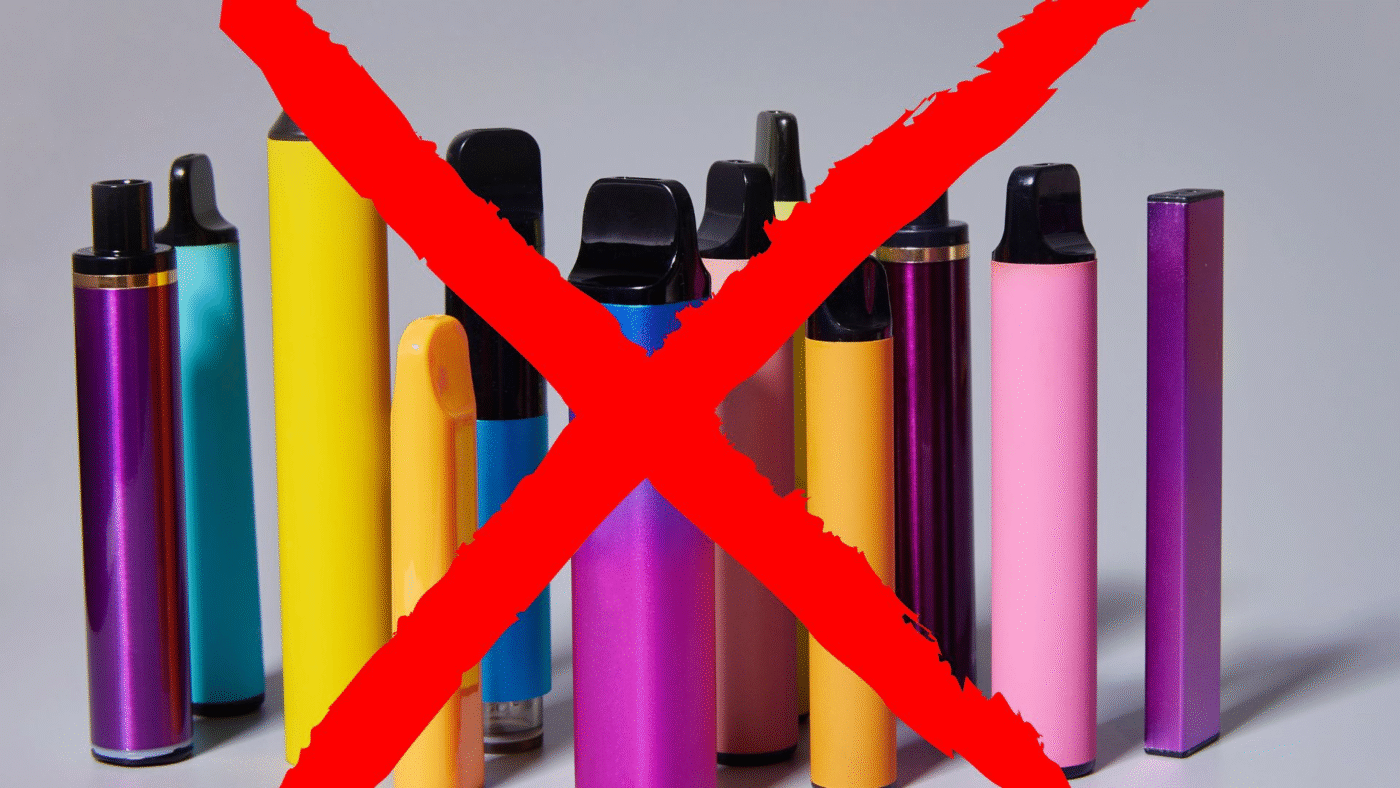
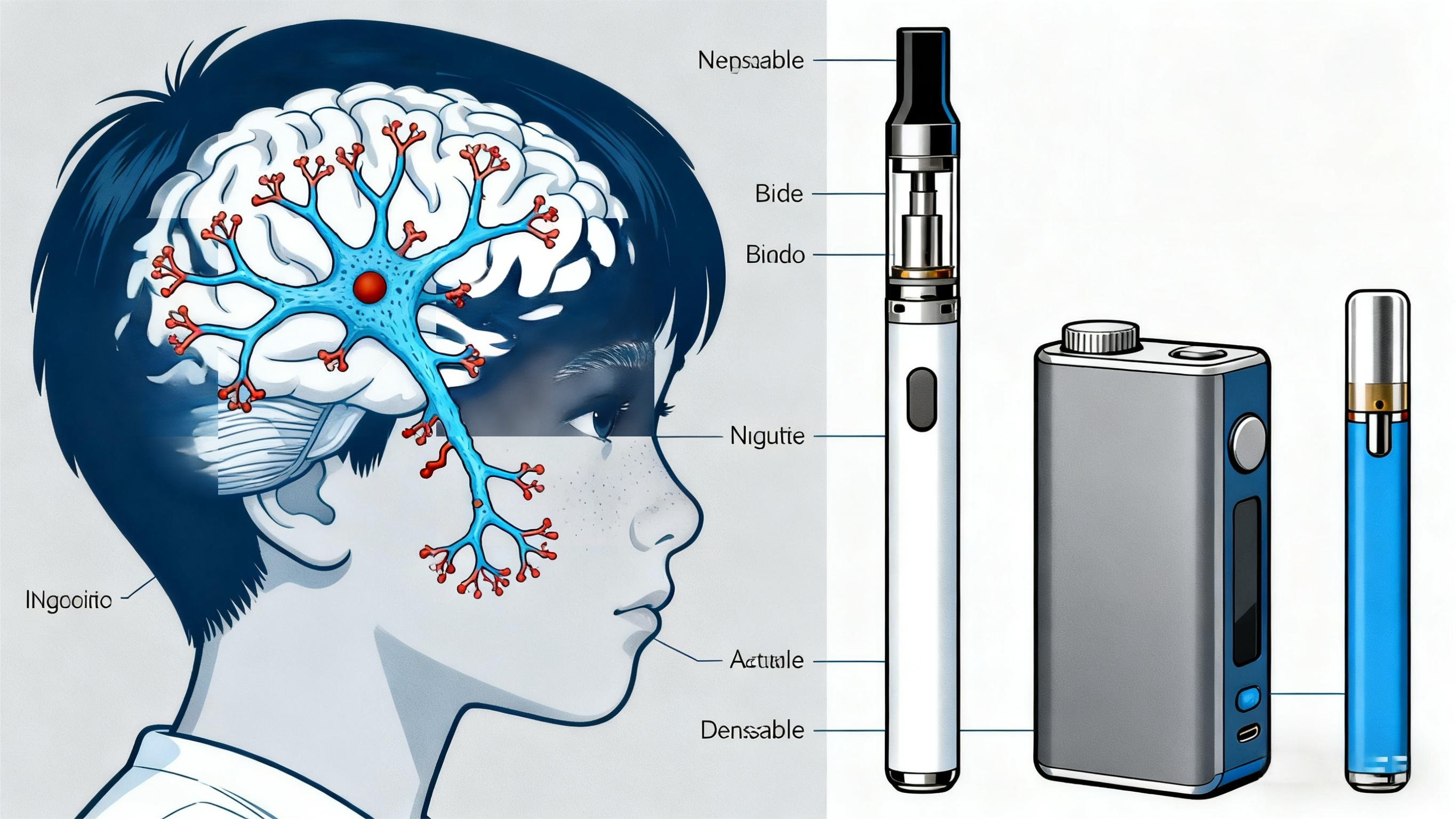
The youth e-cigarette epidemic is a pressing public health concern. Specifically, the U.S. Food and Drug Administration (FDA) calls it a “significant threat” to adolescent development. According to the 2023 National Youth Tobacco Survey (NYTS), 1 in 10 high school students use e-cigarettes. Of these, 38% even report daily use. These devices not only deliver highly addictive nicotine—which alters teen brain chemistry—but also contain harmful chemicals like formaldehyde and heavy metals. For parents, early warning sign recognition is therefore critical. Notably, 80% of teen users develop addiction within six months (American Medical Association, 2022).
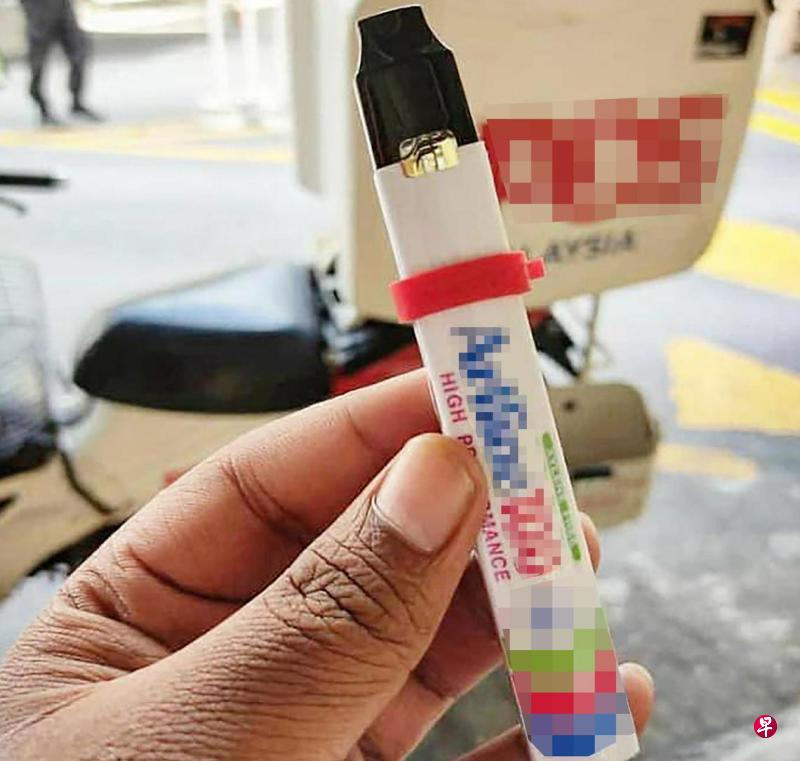
Modern e-cigarettes are intentionally built for hiding. For instance, they often resemble everyday items like USB drives (e.g., Juul), writing pens, highlighters, or lip balm tubes. Parents should therefore watch for unaccounted-for small devices around their teen’s space. Additionally, they should check for refillable pods or USB-C chargers that don’t match their teen’s electronics.
Most e-liquids feature strong, sweet scents. Common flavors include mint, berry, tropical fruit, or desserts. These aromas not only stick to clothing but also linger in bedrooms or cars. As a result, teens may frequently use breath mints, body spray, or air fresheners to cover the smell. Furthermore, they might open windows excessively or avoid close contact to hide the scent.
Nicotine use often leads to sudden secretive behavior. For example, teens may spend excessive hours in bathrooms or bedrooms with doors locked. They may also avoid family meals or gatherings without a clear reason. Moreover, they might hide their phone screens when parents approach or switch apps quickly. Additionally, they may grow defensive or angry when asked about their whereabouts or activities.
E-cigarettes and replacement pods come with recurring costs. Devices typically range from $15-$30, while pod packs cost $10-$15 each. Consequently, teens may ask for extra cash without a valid explanation. They may also steal loose change, borrow money frequently, or use parents’ payment methods without permission. Furthermore, they might hide receipts or avoid discussing how they spend their allowance.
Nicotine and e-cigarette chemicals trigger distinct physical effects. Firstly, persistent dry cough or throat irritation is common, especially after waking up. Secondly, shortness of breath may occur during light activity due to respiratory inflammation. Additionally, teens may experience frequent headaches or dizziness from nicotine-induced blood pressure fluctuations. They might also complain of dry mouth or bad breath despite regular hygiene.
Sleep disturbances are a key indicator of teen vaping. For instance, teens may struggle with insomnia or wake up frequently during the night. They may also report vivid nightmares or restless sleep. Moreover, mood swings—such as unexplained irritability, anxiety, or sudden outbursts—often accompany nicotine use. Furthermore, parents may notice a decline in focus or memory, as nicotine impairs adolescent brain function.
Peer influence is the primary driver of teen e-cigarette use. According to the CDC (2023), 70% of users first try vaping in social settings. Parents should therefore watch for sudden shifts in their teen’s friend group. Specifically, new friends who avoid parental supervision or speak in code may be a red flag. Additionally, teens may start using vaping-related slang like “juuling,” “pod hits,” or “cloud chasing.”
Social media often reveals hidden vaping habits. For example, teens may like or follow e-cigarette brands such as Vuse, Elf Bar, or Geek Vape. They may also post photos or videos featuring vaping paraphernalia. Furthermore, they might join private online communities focused on e-cigarette modification or “cloud chasing.” Parents should also look for encrypted messaging apps, as teens may use them to coordinate vaping with friends.
- Prioritize non-judgmental communication: Start with open-ended questions like “What do your friends think about vaping?” to encourage honest dialogue. Avoid scolding, as this may push teens to withdraw. Instead, share age-appropriate data from trusted sources like the FDA or CDC to highlight risks.
- Build product literacy: Take time to learn about current e-cigarette designs and marketing tactics. For example, disposable devices are often brightly colored and flavored to appeal to teens. Use resources from FDA’s “This Is Our Watch” campaign to stay informed. Additionally, discuss how e-cigarette companies target young people with misleading ads.
- Set clear, consistent rules: Establish firm policies against nicotine use in the home. Collaborate with schools to reinforce these rules, as many districts use evidence-based programs like “Truth Initiative.” Moreover, involve other caregivers (e.g., grandparents, teachers) to ensure consistency. If rules are broken, enforce calm, predictable consequences.
- Seek professional support: If addiction is suspected, consult a pediatrician immediately. A certified tobacco treatment specialist can create a personalized cessation plan. Furthermore, FDA-approved nicotine replacement therapies (NRT) may be recommended for older teens. Support groups for teens and parents can also provide valuable guidance.
Adolescent brain development continues until age 25, which makes teens uniquely vulnerable to nicotine addiction. By recognizing these evidence-based warning signs, parents can act early to protect their children. Moreover, proactive, informed parenting—not just strict rules—plays a pivotal role in fighting the youth e-cigarette crisis. Ultimately, open communication and mutual trust are the strongest tools for guiding teens toward healthy choices.