
Step outdoors into crisp, frosty winter air. Take a deliberate draw from your electronic cigarette. You may encounter a faint, wispy vapor cloud that dissipates immediately. This frustration is common—even with a fully charged battery, new coil, and refilled tank. Before dismissing the device as defective, recognize the root cause: winter’s ambient conditions. Low temperatures and reduced humidity impact three key vaping components. Understanding these factors is essential to resolving the issue.
Cold Air: A Primary Inhibitor of Vapor Formation
Let’s clarify a common misconception. E-cigarette “vapor” is not true water vapor. It is an aerosol—microscopic droplets of Vegetable Glycerin (VG), Propylene Glycol (PG), and flavorings suspended in air. This aerosol’s stability depends on temperature and humidity. Cold air is denser than warm air. It also holds far less moisture, limiting its ability to sustain suspended droplets.
Exhale warm, saturated aerosol into cold winter air. Instant condensation occurs. Microscopic droplets clump into larger, denser particles. These particles fall downward instead of forming a dense cloud. The process mirrors visible breath in cold conditions. It is more pronounced with vape aerosols, as users expect a robust, sustained cloud.
E-Liquid Viscosity: Critical for Wick Performance
Low temperatures impact more than exhaled vapor. They compromise the e-liquid inside your device. VG is the primary ingredient in high-vapor e-liquids. It is inherently viscous. As temperatures drop, its viscosity rises sharply. It transforms from a free-flowing liquid to a syrup-like substance with limited mobility.
Elevated viscosity challenges the atomizer’s wicking material. This material is engineered to carry e-liquid from the reservoir to the heating coil. Excessively viscous liquid cannot wick fast enough. It fails to match the coil’s heat output. The result is a “dry hit”—a burnt flavor with minimal vapor. Many users blame faulty coils. Often, it is cold-induced viscosity in the e-liquid.
Battery Degradation: Cold Weather’s Hidden Impact
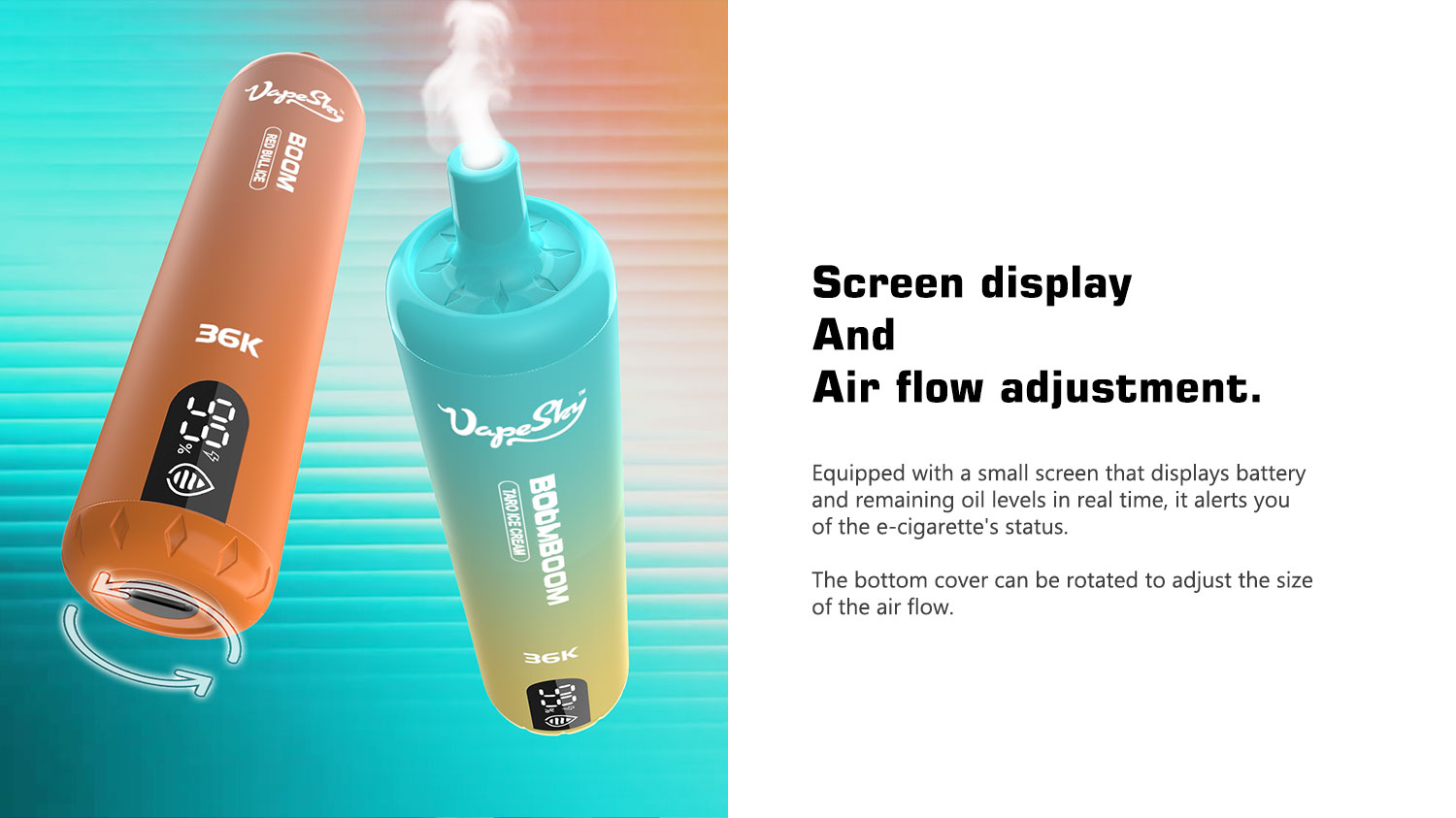
Lithium-ion batteries power most modern e-cigarettes. They are inherently sensitive to low temperatures. Reduced temperatures slow internal electrochemical reactions. This leads to diminished capacity and poor discharge efficiency. Users may notice faster battery drain. They may also experience inconsistent power delivery.
Insufficient power prevents the coil from reaching optimal temperature. Efficient e-liquid vaporization requires this heat. Even with a saturated wick, a weak battery produces poor vapor. The effect is worse for high-wattage devices. These rely on consistent, high-current discharge for large clouds.
5 Evidence-Based Winter Vaping Strategies
- Maintain Device Temperature: Store your e-cig in an inner coat pocket. Use body heat to keep it warm. Avoid cold vehicles or outer pockets.
- Adjust E-Liquid Blend: Switch from 70%+ VG to a 50/50 VG/PG mix in winter. PG is thinner and wicks better in cold.
- Prime the Coil: After cold exposure, take 2-3 short, fire-free draws. This saturates the wick via capillary action.
- Optimize Power Settings: Reduce wattage by 10-15 watts. Lower heat gives liquid more time to wick, preventing dry hits.
- Protect Spare Batteries: Store external batteries in a warm, protective case. Cold batteries perform poorly when deployed.
Winter vaping doesn’t need compromised performance. Weak vapor in cold conditions is not device malfunction—it’s environmental response. Keep your device warm. Adjust e-liquid composition. Care for your battery. These steps match the vapor quality of warmer seasons. You’ll enjoy consistent, high-quality vaping even in frigid winter weather.