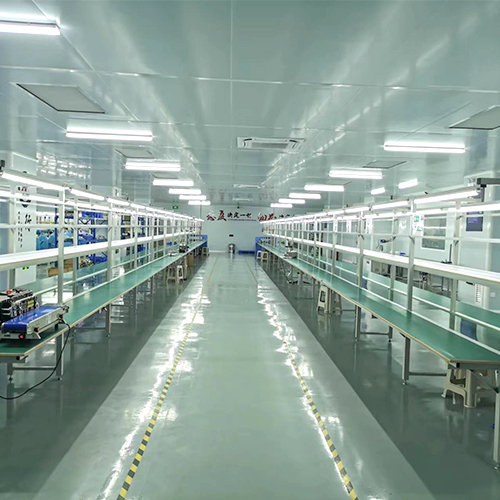

As the e-cigarette industry expands globally, manufacturers are under increasing pressure to keep up with rising demand. To meet the expectations of both consumers and regulators, e-cigarette factories must adapt quickly to the rapidly changing market landscape. In the face of these globalized production demands, factories need innovative solutions to remain competitive while maintaining quality and safety standards. This article explores five strategies e-cigarette factories can adopt to navigate the challenges and stay ahead in the global market.
1. Embracing Automation and Technology
Automation and advanced technology play a crucial role in meeting the demands of the modern e-cigarette market. Automated production lines not only increase efficiency but also minimize errors. Machines handle everything from assembly to testing and packaging, which helps factories produce more units in less time. This is especially important as the industry faces the challenge of mass-producing devices with precise safety and performance specifications.

2. Expanding Global Supply Chains
Globalized production demands require e-cigarette factories to have access to diverse and reliable supply chains. By sourcing raw materials, such as nicotine, propylene glycol, and flavorings from multiple countries, factories can ensure a steady flow of high-quality ingredients at competitive prices. This global supply network also offers flexibility in managing costs and overcoming challenges like trade disruptions or supply shortages.
3. Maintaining Strict Quality Control Standards
Quality control (QC) is at the core of a successful e-cigarette manufacturing process. With increasing global demand, factories must adhere to international quality standards such as ISO, GMP, and FDA regulations. These standards are essential for ensuring the safety and reliability of products. Factories often implement rigorous testing protocols, including checks for vapor quality, battery performance, and overall device safety. This helps prevent product recalls and ensures consumer confidence.
4. Adapting to Consumer Preferences and Regulatory Changes
The e-cigarette market is constantly evolving. Consumer preferences change, and regulations vary across regions. E-cigarette factories need to stay nimble to meet these shifting demands. Whether it’s producing new flavors, adjusting nicotine levels, or designing innovative devices, factories must respond quickly to trends. In addition, staying compliant with evolving regulations is critical. E-cigarette factories must ensure their production processes remain flexible and up-to-date with local and international laws.

5. Fostering Innovation in Design and Manufacturing
Innovation is essential for e-cigarette factories to maintain a competitive edge. Investing in research and development (R&D) allows manufacturers to explore new technologies, designs, and production methods. Improvements in battery life, vaporization technology, and device functionality can attract consumers. Factories are also experimenting with sustainable materials and eco-friendly production techniques. As the global market grows, embracing innovation is key to standing out and meeting the expectations of a diverse consumer base.
Conclusion
As global demand for e-cigarettes continues to rise, factories must adapt to stay competitive. Automation, global supply chains, strict quality standards, quick adaptation to consumer preferences, and innovation are essential strategies. These approaches allow factories to meet current demands while preparing for future growth. By embracing these strategies, e-cigarette factories will remain competitive in an increasingly globalized market.